Key takeaways:
Coffee alone won’t prevent or treat COVID-19. But research suggests that drinking coffee can help lower your chance of getting COVID and that it may help you recover faster.
There are substances in coffee that support the immune system in fighting infections. They might also block the COVID virus from attaching to cells.
To help your body recover from COVID faster, you should eat a nutritious diet, stay active, and avoid smoking and alcohol.
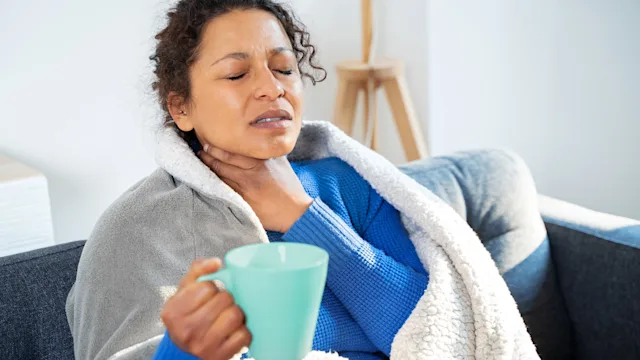
If coffee is part of your routine, you may look forward to that morning brew, even when you’re dealing with symptoms of COVID. Coffee is one of the most consumed beverages in the world. And it’s one of the most studied. While coffee alone won’t prevent or treat COVID, it may have some surprising health benefits.
Can you drink coffee with COVID?
If you don’t normally drink coffee, it’s not a good idea to start when you’re sick. It might make you feel jittery on top of your other symptoms.
But if you’re already a coffee drinker, it’s fine to have a cup or two. It won’t make your COVID symptoms worse. It might even help you feel a little better (more on this below).
Search and compare options
Does coffee interact with COVID medications?
If you’re taking medication like Paxlovid (nirmatrelvir / ritonavir) for COVID, you can eat and drink as usual. There aren’t any significant interactions between coffee and Paxlovid.
Some over-the-counter (OTC) cold and fever medications can raise your blood pressure, though. This is especially the case with decongestants and ibuprofen (Advil).
Coffee can also raise blood pressure in some people. So, if you have high blood pressure, and you’re taking OTC medicines for COVID symptoms, be careful about combining them with coffee.
Does coffee make you dehydrated?
When you’re sick with COVID, or any illness, you want to drink plenty of water. Some people believe that coffee can make you dehydrated. So they may not drink coffee when they’re sick.
It’s true that caffeine is a mild diuretic (meaning it makes you pee more). But healthy adults don’t usually get dehydrated from coffee. One study found that coffee was as hydrating as water and orange juice. So you can still turn to your morning coffee when looking for ways to hydrate.
Does coffee help with COVID symptoms?
There haven’t been a lot of studies looking at coffee and COVID symptoms yet. But it seems that if you do drink coffee, it may help ease some symptoms.
In one small study of older adults, people who drank more coffee tended to have less severe COVID symptoms. On average, those who drank 4 cups of coffee per week were less likely to be hospitalized than people who drank 2 cups per week.
Researchers are still learning about the different ways that coffee might change how your body responds to COVID.
How can coffee decrease COVID symptoms?
There are a number of things about coffee that could help you feel better when you’re sick:
Decreased inflammation: Coffee is a plant-based food that contains polyphenols. These are natural substances that help to regulate your immune system. Instant coffee may have lower levels of these antioxidants though.
Ease upper airway symptoms: Warm fluids like coffee and tea can help with COVID symptoms like sore throat and congestion.
Ease lower airway symptoms: The caffeine in coffee might help breathing in two ways. First, it can boost the immune system’s response to infections. It does this by increasing the cells that fight infection. Second, caffeine opens up the small airways in the lungs. That may be especially helpful for people who have asthma or chronic obstructive pulmonary disease (COPD).
Prevent caffeine withdrawal: If you’re a daily coffee drinker, stopping caffeine cold turkey could make you feel worse. Drinking a little coffee may limit headaches and other caffeine withdrawal symptoms.
Boost energy and focus: The caffeine in coffee might offset some of the low energy and brain fog that can come with COVID. But keep in mind that drinking too much could make it harder to rest and sleep. And it’s important to get enough rest when you’re sick.
Does coffee help prevent COVID?
Drinking coffee won’t stop you from getting COVID. But there’s some evidence that it could lower your risk.
Coffee comes from plants and contains hundreds of natural compounds. In lab studies, some of these compounds lower the risk of COVID by blocking the virus when it tries to attach and enter human cells. If the virus has a harder time attaching to your cells, it’s less likely that you’ll get sick. This seems to be true for both regular and decaffeinated coffee.
The other available studies are conflicting, though.
In one large study, done before the COVID vaccine was available, people who drank coffee every day had a 10% lower risk of getting sick with the virus. At the time, the alpha variant of COVID was most common.
But in another study, hospital workers who’d received the COVID vaccine and drank more than 3 cups of coffee each day had a higher risk of getting COVID. This study occurred when the more contagious omicron variant was the most common COVID strain.
Further studies are needed to see if vaccination status or COVID variant makes a difference when it comes to coffee’s effect on the body.
Finally, it’s good to remember that your body is influenced not just by what you drink but also by what you eat. In one study of nearly 600,000 people, those who ate more plant-based foods had a lower chance of getting COVID. And if they did get COVID, their symptoms tended to be less severe.
How to lower the risk of COVID
The best ways to lower the risk of COVID for yourself and others include:
Staying up-to-date with COVID vaccines
Washing your hands regularly
Choosing to spend time outdoors rather than inside
Avoiding close contact or wearing a mask if you or someone else is sick
Getting tested and treated if you have symptoms of COVID
Getting enough sleep, staying active, and eating nutritious foods will also give your immune system a boost. And if you enjoy coffee, drinking 1 to 3 cups a day might have some benefits in helping your body fight off infections.
What other foods and drinks are good for COVID recovery?
If you find yourself with COVID, the flu, or a cold, certain foods and drinks may help ease your symptoms and support your immune system.
You may want to reach for your favorite comfort foods. But if your go-to comfort foods contain a lot of salt, sugar, alcohol, or processing, your body may have to work harder to recover.
Try adding in foods that will make it easier for your immune system to clear the infection. Good nutrition can lower the risk of long COVID. Other helpful things are exercise, getting a good night’s sleep, avoiding smoking, and limiting alcohol.
To help give your immune system an extra boost in fighting COVID, aim for foods and drinks that contain the following nutrients:
Vitamin C: fruits, broccoli, kale, tomatoes, red bell peppers, spinach
Vitamin D: eggs, fortified cereals and dairy products, mushrooms, sardines, tuna
Vitamin A: sweet potatoes, fish oil, carrots, lima beans, soy
Zinc: chickpeas, oatmeal, milk, kidney beans, nuts and seeds, yogurt, red meat
Protein: beans and peas, meat, poultry, fish, dairy
Omega-3 fatty acids: nuts and seeds, salmon, mackerel, beans
Vitamin E: nuts and seeds, spinach, broccoli, mango
Fiber: whole grains, fruits, vegetables
Fluids: water, tea, broth, juice, watery fruits and vegetables
The bottom line
Coffee alone won’t prevent or treat COVID. But if you drink 1 or 2 cups a day, coffee may help your immune system to fight infections. Not everyone likes coffee or can drink it. There are other foods that can support your immune system too. But drinking coffee could lower your risk of getting COVID, as long as it’s part of a daily routine that includes nutritious foods, exercise, and adequate sleep. And if you do get sick, coffee may help to ease some symptoms and help you feel better faster.

Why trust our experts?




References
American Heart Association News. (2022). People with very high blood pressure may want to go easy on the coffee. American Heart Association.
Barrea, L., et al. (2023). Coffee consumption, health benefits and side effects: A narrative review and update for dietitians and nutritionists. Critical Reviews in Food Science and Nutrition.
Bhowmik, K. K., et al. (2022). Impact of high‐dose vitamin C on the mortality, severity, and duration of hospital stay in COVID‐19 patients: A meta‐analysis. Health Science Reports.
Centers for Disease Control and Prevention. (2024). How to protect yourself and others.
Centers for Disease Control and Prevention. (2024). Taking steps for cleaner air for respiratory virus prevention.
del Ser, T., et al. (2021). Residence, clinical features, and genetic risk factors associated with symptoms of COVID-19 in a cohort of older people in Madrid. Gerontology.
Iddir, M., et al. (2020). Strengthening the immune system and reducing inflammation and oxidative stress through diet and nutrition: Considerations during the COVID-19 crisis. Nutrients.
Islam, Z., et al. (2024). Coffee and green tea consumption with the risk of COVID-19 among the vaccine recipients in Japan: A prospective study. Journal of Epidemiology.
Maughan, R. J., et al. (2016). A randomized trial to assess the potential of different beverages to affect hydration status: development of a beverage hydration index. The American Journal of Clinical Nutrition.
Merino, J., et al. (2021). Diet quality and risk and severity of COVID-19: A prospective cohort study. Gut.
National Health Service. (2022). Common questions about Paxlovid.
Rana, A., et al. (2022). Health benefits of polyphenols: A concise review. Journal of Food Biochemistry.
Romero-Martínez, B. S., et al. (2021). Possible beneficial actions of caffeine in SARS-CoV-2. International Journal of Molecular Sciences.
Sajadi-Ernazarova, K. R., et al. (2023). Caffeine withdrawal. StatPearls.
Schmidt, D., et al. (2022). Investigating the interaction between dietary polyphenols, the SARS CoV-2 spike protein and the ACE-2 receptor. Food & Function.
Vu, T. T., et al. (2021). Dietary behaviors and incident COVID-19 in the UK biobank. Nutrients.
Wang, S., et al. (2023). Adherence to healthy lifestyle prior to infection and risk of post–COVID-19 condition. JAMA Internal Medicine.
World Health Organization. (n.d.). Nutrition advice for adults during the COVID-19 outbreak.
Wu, C., et al. (2023). Coffee as a dietary strategy to prevent SARS-CoV-2 infection. Cell & Bioscience.