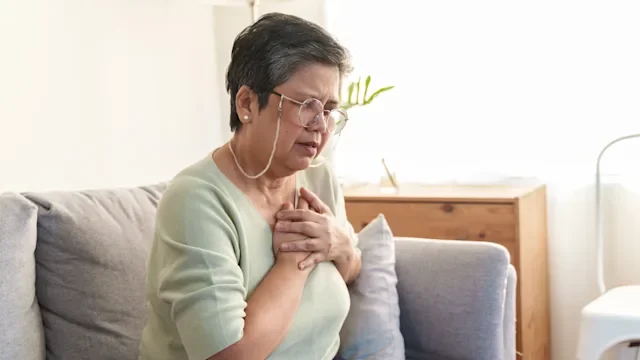
A heart attack or heart disease diagnosis might prompt you to reassess your lifestyle, but what if you could avoid a heart attack altogether and take the steps to prevent it?
Heart attacks often don’t affect individuals at random, and they’re not an inevitable part of aging: These events most commonly occur because of coronary artery disease, which restricts the amount of blood reaching the heart muscle. Certain lifestyle habits, like smoking or not getting enough exercise, may cause plaque buildup in the arteries that can lead to heart disease. Avoid heart disease, and you’ll be far more likely to avoid a heart attack. (Here are lifestyle tweaks recommended by doctors for a healthier heart.)
After having a heart attack themselves, these four heart attack survivors share the tips for prevention they now follow and recommend to others. (Hear their heart attack stories here.)
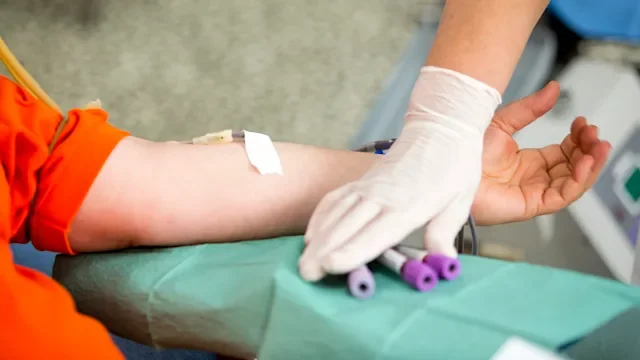
See your doctor regularly
“My advice to people to prevent a heart attack is regular checkups with your doctor. Diet and exercise are important, but regular checkups will help you going forward.”
—Shaun Clancy, heart attack survivor
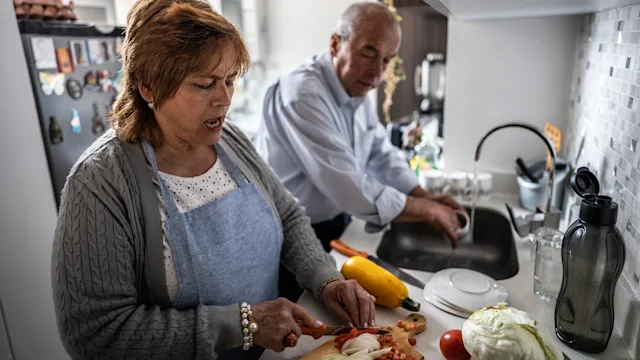
Don’t be afraid to put yourself first
“When I think about prevention, I think about a healthy lifestyle, so looking at the type of food that you eat [and] the exercise level that you get. [I] tell people they need to take time for themselves now. They need to put themselves first.”
—Dawn Platt, heart attack survivor
Commit to avoiding triggers
“I have to watch anything that could trigger having another heart attack, like high cholesterol or bad eating habits or a lot of fried foods; I won’t eat (after like 6 or 8 PM) a pizza or fried chicken—my favorite.”
—Yesenia Araujo, heart attack survivor
Don’t ignore the signs
“Like myself, people are many times in denial about symptoms that might be heart-related or artery-related. It’s so much better to be safe than sorry. I’m the type of person that never would have had this checked out, and luckily, for whatever reason, I did, but I wouldn’t be here if I didn’t. So anything that might be related to heart issues should be checked out.”
—Sammy Rabin, heart disease patient
For more heart-healthy tips, here’s how smoking hurts the heart, how to eat a heart-healthy diet in three steps, and what doctors want you to know about high blood pressure.
References
American Heart Association. (2016). Life After a Heart Attack.
Centers for Disease Control and Prevention. (2022). Heart Attack Symptoms, Risk, and Recovery.

Why trust our experts?