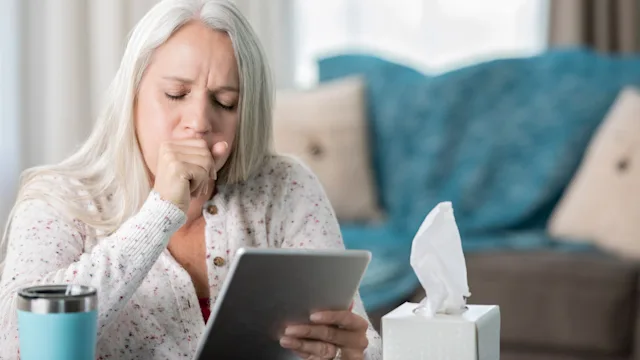
Severe chronic obstructive pulmonary disease (COPD) may prevent you from doing basic activities, such as walking, cooking, or taking care of yourself. Other COPD symptoms are more serious and require medical attention ASAP. Seek emergency care if:
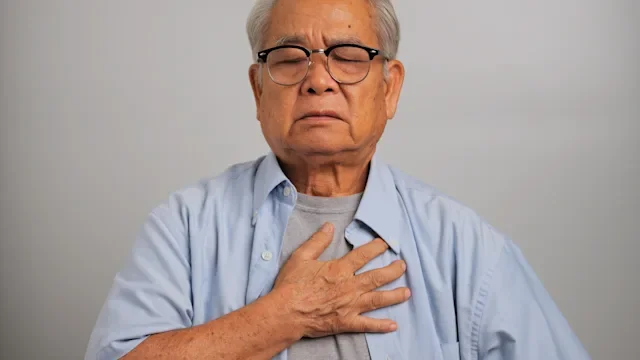
You can’t catch your breath or talk
Your lips or fingernails turn blue or gray (a sign of low oxygen level in your blood)
Your heart is beating fast
Or people around you notice you are not mentally alert.
These symptoms will likely require in-hospital treatment. If you have COPD, you can lessen your chances of an emergency by checking in with your doctor about your status. Certain lifestyle changes, such as quitting smoking if you smoke, and treatments can help slow the progression of the disease — and help you breathe easier.
References
American Lung Association. (2023). COPD symptoms & diagnosis.
Han, M.K. (2023). Patient education: Chronic obstructive pulmonary disease (COPD) treatments (Beyond the Basics). UpToDate.
National Heart, Lung, and Blood Institute. (2023). What is COPD?
Stoller, J.K. (2023). COPD exacerbations: Management. UpToDate.

Why trust our experts?