Key takeaways:
Constipation is a common condition that’s usually more of a nuisance than an emergency. But sometimes, constipation can be a sign of a serious medical condition.
Some signs that your constipation may be an emergency include intense abdominal pain, vomiting, or rectal bleeding.
It’s good to know your regular bowel habits. Let your healthcare team know if you notice any changes in your bowel movements or stool.
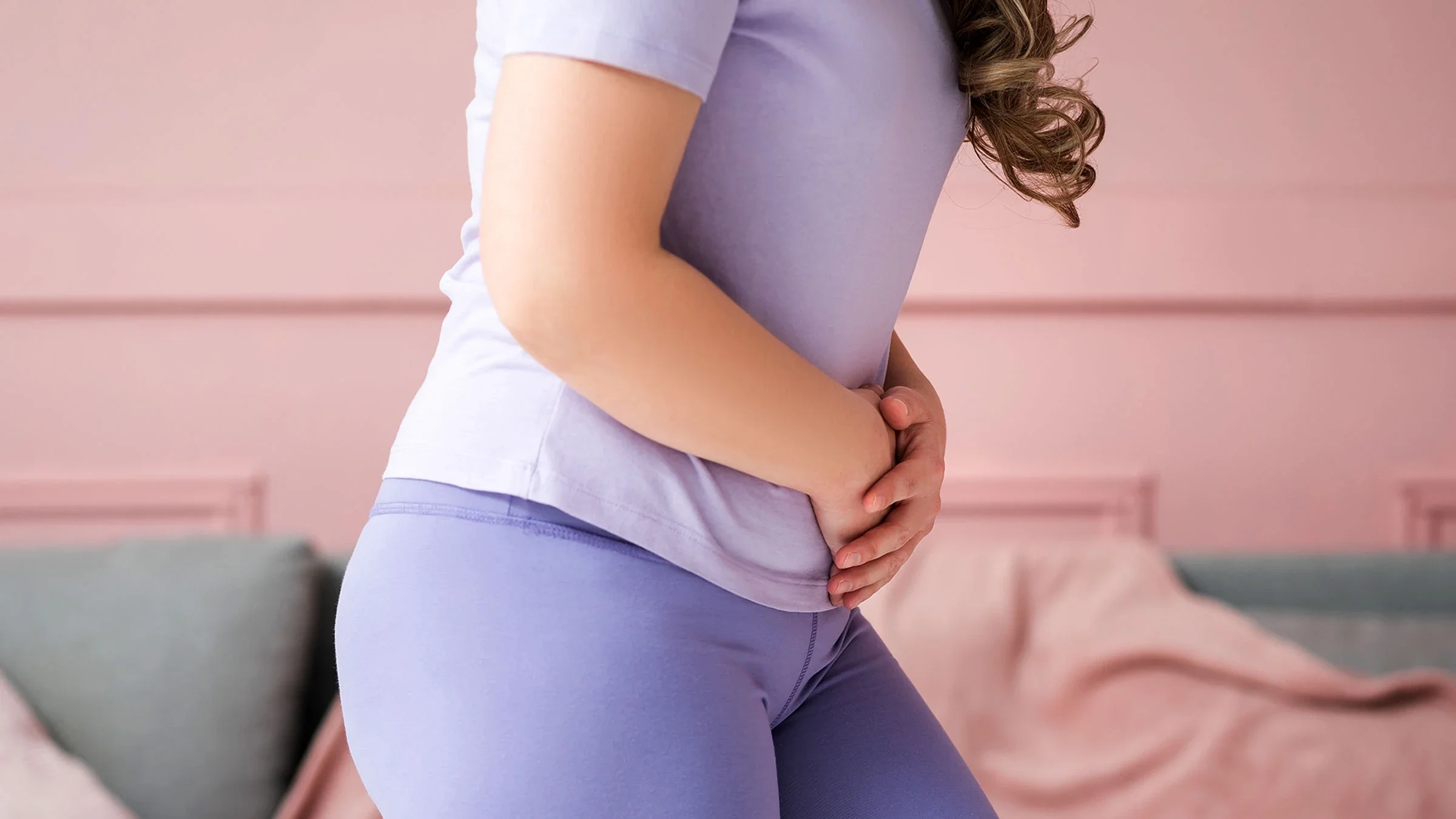
Most people have been constipated at least once in their lifetime. Sometimes, this means going several days without a bowel movement when you’re usually more regular. You might also be straining more to poop or feel bloated. If you’ve been constipated, you know how uncomfortable it can be.
But when is constipation actually an emergency or something you should be concerned about? Let’s take a closer look at some of the signs you should watch out for and when it’s time to contact your healthcare team.
What are the danger signs of constipation?
Constipation can be uncomfortable, but it’s not often dangerous. That said, you should still address your symptoms with a healthcare professional. There are signs that your constipation could be due to something more serious.
Search and compare options
These signs include:
Discomfort, bloating, or the urge to have a bowel movement but being unable to go
Symptoms that don’t seem to get better, even after trying your best
Blood mixed in your stool
Unintentional weight loss
Feeling full easily
Thinning hair or brittle nails
If you have any of these symptoms, your constipation may be due to an underlying medical condition. Your healthcare team can do further testing to figure out what’s causing your constipation and how to best treat it.
When should you go to the ER for constipation?
In some instances, constipation does require a visit to the ER. This is to make sure your symptoms aren’t caused by a medical or surgical condition that needs urgent treatment. You should go to the ER if you have:
Severe abdominal or rectal pain
Vomiting
Signs of an infection, like fever, rapid breathing, or high heart rate
An inability to pass stool and feeling like it’s stuck
In serious cases, these symptoms could be a sign of conditions that could need medical intervention or even surgery, such as:
Diverticular bleeding or infection
Volvulus (twisting of the bowels)
Bowel perforation (a hole or tear in the intestines)
An incarcerated or strangulated hernia (a hernia that is stuck and can’t be pushed back in)
Ileus (temporary paralysis of the bowels)
Colorectal or anal cancer
In the ER, you may have blood tests, an abdominal X-ray, or a CT scan if necessary.
What are complications of severe constipation?
Untreated constipation can lead to other conditions and cause other problems. Some of these conditions can include:
Fecal impaction (a large amount of hard stool stuck in your rectum)
Anal fissure (small tear around your anus)
Fecal incontinence (loss of control over bowel movements)
Urinary incontinence (loss of control over your bladder)
Rectal prolapse (when part of your rectum falls out of your anus)
Hemorrhoids (swollen veins near your rectum)
Diverticulosis (pockets in the wall of your bowel)
Stercoral colitis (inflammation of your colon from too much stool)
It’s hard to say how long you have to be constipated before you develop any complications. This will differ for everyone. That’s why it’s best to treat your constipation as soon as you notice any symptoms. When you begin to manage your constipation, some of these other conditions can improve or be prevented as well.
What causes constipation?
Constipation usually happens when stool moves slower than normal through your bowels. This can happen for several reasons, including:
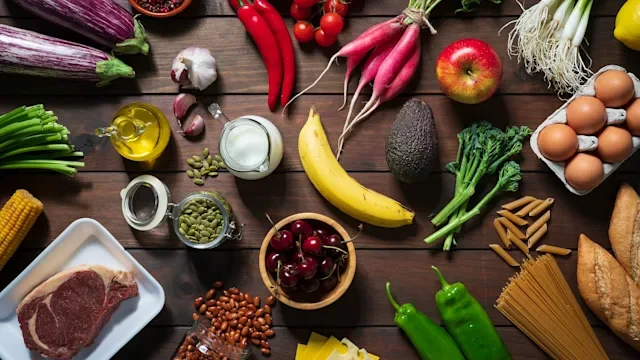
An unbalanced diet: Eating a diet low in fiber is a common cause of constipation. Foods rich in fiber, such as vegetables, fruits, whole grains, and legumes, add bulk to your stool and help it move along better.
Lack of hydration: Not drinking enough water is also a common cause of constipation. This can make your stool hard, which is more difficult to pass.
Too little physical activity: Exercise and physical activity help keep your bowels moving — literally. Not getting regular physical activity can cause constipation.
Certain medications: Some common medications known to cause constipation include opioid pain medications, iron supplements, and tricyclic antidepressants, among others.
Certain medical conditions: Sometimes a medical condition can prevent your bowels from working like normal. Conditions that can lead to constipation include irritable bowel syndrome (IBS), hypothyroidism, bowel obstruction (blockage), ileus (temporary paralysis of the bowels), and colon cancer.
What are symptoms of constipation?
It’s not necessarily a bad thing if you don’t poop every day. Some people have a bowel movement every other day, while others poop several times a day. But it’s generally agreed that constipation is having fewer than three bowel movements per week.
Other symptoms of constipation include:
Firm, hard stools
Straining to pass stools
Feeling like you haven’t completely emptied your bowels
Passing thin stools or pellets
Abdominal pain
Bloating
Painful bowel movements
Blood in your stool
How to treat and prevent constipation at home
The good news is that you can treat and prevent constipation at home in most cases. Let’s take a look at some common ways to keep constipation at bay. These strategies can help even if constipation is caused by other medical conditions:
Drink plenty of water. Exactly how much water you need depends on a range of factors. As a general guideline, women should aim to drink about 2.7 L per day, while men should get about 3.7 L of water per day.
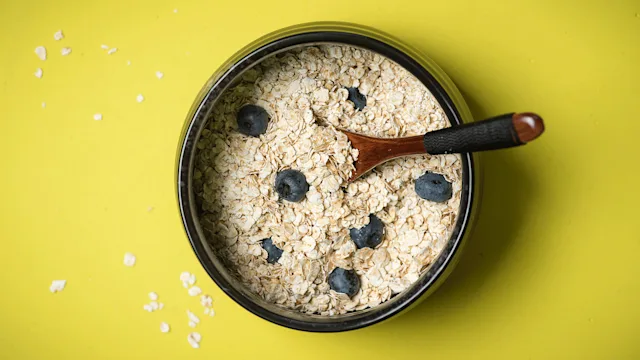
Add fiber to your diet. Fiber helps to relieve constipation by adding bulk to stool, making it larger and softer to move along. It’s recommended that women get at least 25 g per day and men get at least 38 g per day. Foods high in fiber include different grains, fruits, vegetables, and nuts. Taking in too much fiber can sometimes make you even more constipated. So, make sure to drink plenty of water as well.
Stay active. Exercise and physical activity help stimulate your bowels and keep things moving. Even a little light movement, like walking, can go a long way to prevent and treat constipation.
Consider taking an over-the-counter (OTC) medication. There are a range of OTC medications to treat constipation, including stimulant laxatives, stool softeners, and enemas. It’s best to check in with a healthcare professional first. They can help you figure out the best option for you.
Try an abdominal massage. Gently massaging your belly, along the path of your large intestine, may help stool move faster through your bowels. This may ease constipation and lessen gas and bloating. Again, it’s best to check in with your healthcare team first, so they can show you how to do the massage and make sure it’s best for you.
Frequently asked questions
Untreated constipation can lead to serious complications, including a partial or complete blockage of your small or large intestine. In addition to constipation symptoms like bloating and a feeling of fullness, a blockage can lead to abdominal pain, inability to pass gas, and nausea and vomiting. You may also have episodes of diarrhea with a partial blockage. Get immediate medical attention if you’ve been constipated and begin to experience worsening stomach pain, vomiting, or difficulty breathing.
Miralax (polyethylene glycol) is an over-the-counter (OTC) medication that can help relieve constipation. The standard adult dose is 17 g (1 capful or packet). Mix this into 4 oz to 8 oz of liquid. Miralax takes 1 to 3 days to start working for constipation. If your constipation doesn’t lessen after taking Miralax for 7 days, or if you have severe constipation, connect with a healthcare professional. They may recommend a different medication.
Sometimes constipation can cause mild back pain as stool builds up in your colon and puts pressure on your lower back. The discomfort should go away once you treat the constipation. But if the pain is severe or you have other symptoms like fever or vomiting, get medical attention right away.
Untreated constipation can lead to serious complications, including a partial or complete blockage of your small or large intestine. In addition to constipation symptoms like bloating and a feeling of fullness, a blockage can lead to abdominal pain, inability to pass gas, and nausea and vomiting. You may also have episodes of diarrhea with a partial blockage. Get immediate medical attention if you’ve been constipated and begin to experience worsening stomach pain, vomiting, or difficulty breathing.
Miralax (polyethylene glycol) is an over-the-counter (OTC) medication that can help relieve constipation. The standard adult dose is 17 g (1 capful or packet). Mix this into 4 oz to 8 oz of liquid. Miralax takes 1 to 3 days to start working for constipation. If your constipation doesn’t lessen after taking Miralax for 7 days, or if you have severe constipation, connect with a healthcare professional. They may recommend a different medication.
Sometimes constipation can cause mild back pain as stool builds up in your colon and puts pressure on your lower back. The discomfort should go away once you treat the constipation. But if the pain is severe or you have other symptoms like fever or vomiting, get medical attention right away.
The bottom line
Constipation can be uncomfortable and frustrating. In most cases, constipation isn’t serious. But sometimes constipation can be a medical emergency. So, don’t ignore symptoms of constipation. The good news is that many cases can be managed and prevented at home. But if you have severe abdominal pain, bleeding, or vomiting with your constipation, get medical attention right away.

Why trust our experts?


References
American College of Gastroenterology. (n.d.). Constipation and defecation problems overview.
Baiu, I., et al. (2018). Small bowel obstruction. Journal of the American Medical Association.
Longstreth, G. F., et al. (2023). Functional bowel disorders. Gastroenterology.
MedlinePlus. (2025). Fecal impaction.
MedlinePlus. (2024). High-fiber foods.
MedlinePlus. (2024). Intestinal obstruction and ileus.
National Academies of Sciences, Engineering, and Medicine. (2005). Dietary reference intake for macronutrients.
National Institute on Aging. (n.d.). Exercise and physical activity.
Setya, A., et al. (2023). Fecal impaction. StatPearls.