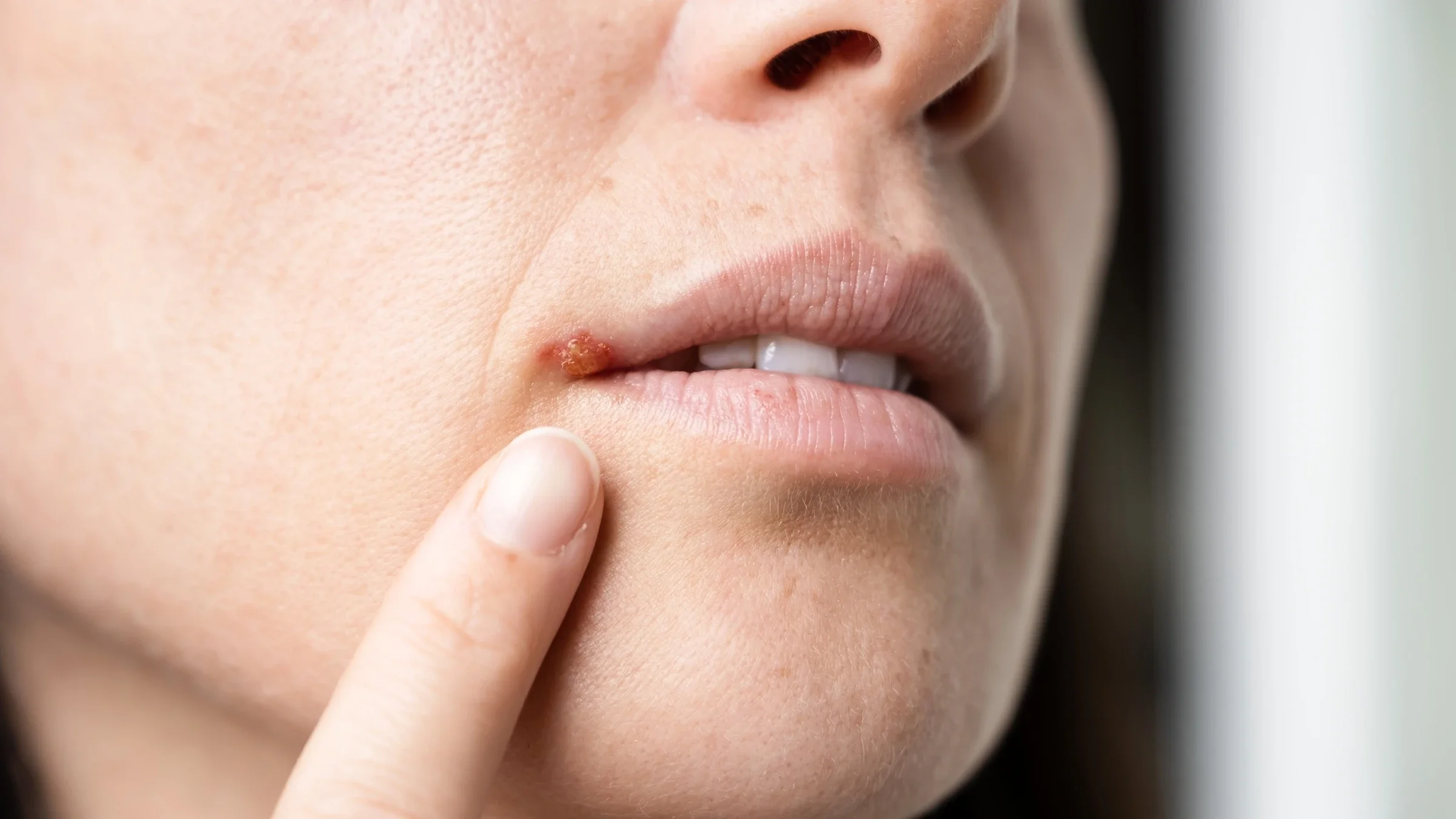
Key takeaways:
There’s no cure for cold sores, but lysine supplements may help shorten the duration of an outbreak. They may also help prevent cold sore outbreaks from coming back.
Cold sores are caused by the herpes simplex virus (HSV), which lives in your body and resurfaces from time to time. Scientists think that lysine helps to prevent the virus from reproducing and causing an outbreak.
Certain people — like those who are pregnant or breastfeeding — should avoid taking lysine supplements until research can determine if it’s safe for them.
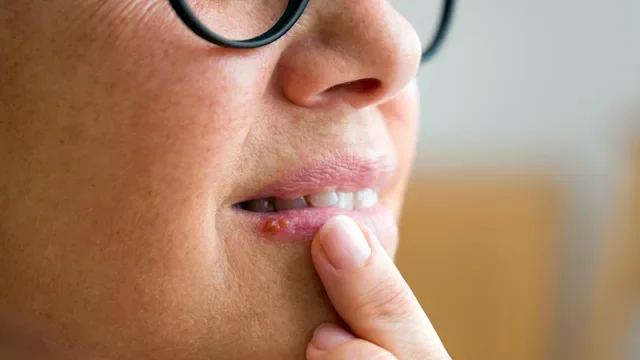
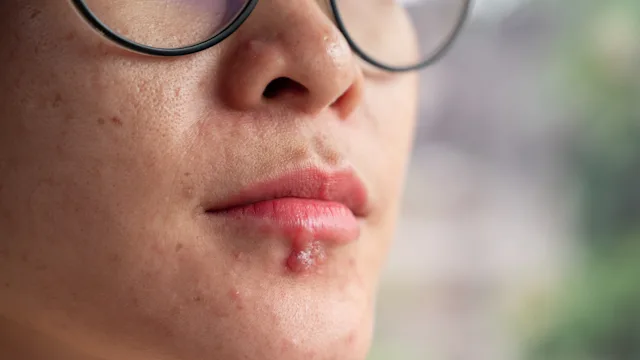
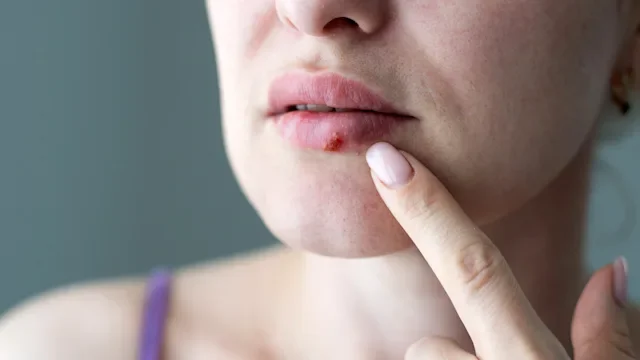
If you’re someone who gets cold sores, you know the dread that accompanies the start of an outbreak. And it’s hard to predict how big they’ll get or how long they’ll last.
There’s no cure for cold sores. But treatments can help them go away faster — and prevent them from coming back. Lysine supplementation is one of these treatments that may help by interfering with the virus that causes cold sores.
What is lysine?
Lysine is an essential amino acid that you get from your diet. It’s important for many different bodily functions, like wound healing and the absorption of minerals like calcium.
Scientists think that lysine helps with cold sores by blocking the replication of the virus that causes cold sores — herpes simplex virus (HSV).
Do lysine supplements actually help with cold sores?
The research is mixed in whether lysine supplements actually help with cold sores. Some studies suggest that regularly taking lysine may help prevent outbreaks and/or help you recover faster. Other studies haven’t found any convincing evidence that it makes a difference.
One study compared lysine to placebo in people with cold sores. It found that lysine helped lessen symptoms, shorten healing time, and decrease the number of outbreaks over a 6 month period.
Another review of the research found that — in a lab — lysine seems to be effective at preventing the virus from replicating inside the body. But it’s still unclear whether this translates to a significant difference in symptoms or outbreaks when humans take a supplement.
There’s no cure for HSV, so taking lysine doesn’t get rid of the virus completely. This means you could still get outbreaks, even if you take lysine.
Forms of lysine to consider
Lysine comes as a cream you can apply directly to a cold sore. It’s also available as an oral supplement and chewable and powder forms. Most of the existing studies — and all those mentioned in this article — have looked at the oral supplement.
How fast does lysine work on cold sores?
More research is needed to know how fast lysine works on cold sores. But a couple studies have tried to answer this question.
One study compared adults who took lysine for a cold sore outbreak to those who didn’t. Cold sores completely resolved in 3 days for almost half of the people in the lysine group. And nearly all of them saw complete resolution by day 6. In comparison, healing time took up to 21 days for people who didn’t use lysine.
A larger study surveyed over 1,500 people with cold sores. Of those who didn’t take lysine, 90% reported that healing took 6 to 15 days. In comparison, 83% of those who used lysine said their lesions healed within 5 days.
How much lysine should you take for cold sores?
There’s no standard dose of lysine. Studies have looked at doses ranging anywhere from 300 mg to 3 g of lysine per day.
For active outbreaks, higher doses — above 1 g a day — are more likely to be effective. Most research recommends a maximum of 3 g per day. And you should only take it for a short period of time during active outbreaks.
Instructions for over-the-counter (OTC) lysine cream suggest applying it as often as every 2 hours. But there’s no firm research to support that the cream definitely works.
While lysine is generally safe at the above doses, some people may experience unwanted side effects.
What are the risks of taking a lysine supplement?
Common side effects of a lysine supplement may include:
Nausea
Cramps
Kidney problems
Some people may want to avoid lysine completely because of side effects or safety concerns.
Who should not take lysine?
You shouldn’t take lysine if you:
Are pregnant or breastfeeding: There isn’t enough research to know if lysine is safe during pregnancy or while breastfeeding.
Take calcium supplements: Lysine increases calcium absorption, which can lead to excessive calcium levels. Too much calcium can lead to muscle pain, weakness, bone pain, and other symptoms.
Have a history of gallstones: It’s possible that high doses of lysine can cause gallstones to form. Until we know more, if you have a history of gallstones, it’s best to avoid lysine.
Are healing from a wound: Since lysine may interfere with wound healing, people with recent surgery or injury should avoid it.
Have a condition that lowers arginine levels: Examples include kidney disease and sickle cell disease. This is because lysine competes with arginine, another amino acid your body needs.
As with any supplement, consult with a healthcare professional before taking lysine. They can check to see if it’s safe for you, or if there are any potential interactions with your other medications.
Frequently asked questions
If you’re looking for a topical treatment for cold sores, Abreva (docosanol) and lysine are available OTC. Abreva is an FDA-approved treatment for cold sores, and research suggests it’s effective when started at the beginning of an outbreak.
In contrast, topical lysine isn’t FDA approved, and there’s no available research to suggest it works. So, Abreva is likely more effective than topical lysine.
Lysine increases the absorption of calcium. So, if you’re taking lysine, it’s best to avoid calcium supplements. This could lead to high levels of calcium in your blood, which can cause serious health problems. These include constipation, muscle weakness, and disorientation. Too much calcium can also lead to a dangerously low heart rate or high blood pressure.
You can take lysine supplements every day to treat or prevent cold sores. Research suggests this is safe for most people, provided you take a reasonable dose.
If you’re taking lysine supplements to prevent an outbreak, take no more than 1 g per day. A dose of 500 mg a day has been shown to be effective.
If you’re taking lysine supplements to treat an outbreak, you can take up to 3 g per day. But it’s important not to continue this high dose for an extended period of time.
If you’re looking for a topical treatment for cold sores, Abreva (docosanol) and lysine are available OTC. Abreva is an FDA-approved treatment for cold sores, and research suggests it’s effective when started at the beginning of an outbreak.
In contrast, topical lysine isn’t FDA approved, and there’s no available research to suggest it works. So, Abreva is likely more effective than topical lysine.
Lysine increases the absorption of calcium. So, if you’re taking lysine, it’s best to avoid calcium supplements. This could lead to high levels of calcium in your blood, which can cause serious health problems. These include constipation, muscle weakness, and disorientation. Too much calcium can also lead to a dangerously low heart rate or high blood pressure.
You can take lysine supplements every day to treat or prevent cold sores. Research suggests this is safe for most people, provided you take a reasonable dose.
If you’re taking lysine supplements to prevent an outbreak, take no more than 1 g per day. A dose of 500 mg a day has been shown to be effective.
If you’re taking lysine supplements to treat an outbreak, you can take up to 3 g per day. But it’s important not to continue this high dose for an extended period of time.
The bottom line
Scientific evidence suggests that lysine may help treat and prevent cold sores. But more research is needed to know exactly how it should be used. In general, lysine is regarded as a safe supplement for most people to try. But some people shouldn’t take lysine without first talking with their healthcare team. This includes anyone who’s pregnant or breastfeeding, as well as those who are prone to gallstones or taking calcium supplements.

Why trust our experts?



References
Bumpstead, L. (2013). Long-term use of supplemental lysine--is it safe? Journal of the Australian Traditional Medicine Society.
Chang, J. Y., et al. (2023). A narrative review of alternative symptomatic treatments for herpes simplex virus. Viruses.
Chi, C. C., et al. (2026). Interventions for prevention of herpes simplex labialis (cold sores on the lips). Cochrane Database of Systematic Reviews.
Mailoo, V. J., et al. (2017). Lysine for herpes simplex prophylaxis: A review of the evidence. Integrative Medicine (Encinitas, Calif.).
Marcason, W. (2003). Will taking the amino acid supplement lysine prevent or treat the herpes simplex virus? Journal of the Academy of Nutrition and Dietetics.
Pedrazini, M. C., et al. (2022). L-lysine: Its antagonism with L-arginine in controlling viral infection. Narrative literature review. British Journal of Clinical Pharmacology.
Singh, B. B., et al. (2005). Safety and effectiveness of an L-lysine, zinc, and herbal-based product on the treatment of facial and circumoral herpes. Alternative Medicine Review.
Walsh, D. E., et al. (1983). Subjective response to lysine in the therapy of herpes simplex. Journal of Antimicrobial Chemotherapy.