Key takeaways:
Most people don’t need a Pap smear every year, but some do. It’s a good idea to check in with your primary care provider or gynecologist if you’re unsure.
A Pap smear, also known as a Pap test or Pap, is one of the best ways to prevent cervical cancer. Testing for human papillomavirus (HPV) is another important part of cervical cancer screening.
Between ages 21 and 65, most people need cervical cancer screening every 3 to 5 years, depending on the test and individual situation.
If you have certain risk factors, you’ll need to get screened more often.
A Pap smear, also known as a Pap test, is a screening test for cervical cancer. Previously, the recommendation was to get one every year. But, as research has evolved, a yearly Pap smear is no longer recommended for most people. Depending on your age and risk factors, you only need a Pap smear every 3 to 5 years. And at some point, you won’t need one at all.
Learn more about the basics of a Pap smear and how often you need one.
What is a Pap smear, and why do I need one?
A Pap smear is a screening test for cervical cancer or precancerous changes. The cervix is the opening of the uterus, located at the top of the vagina.

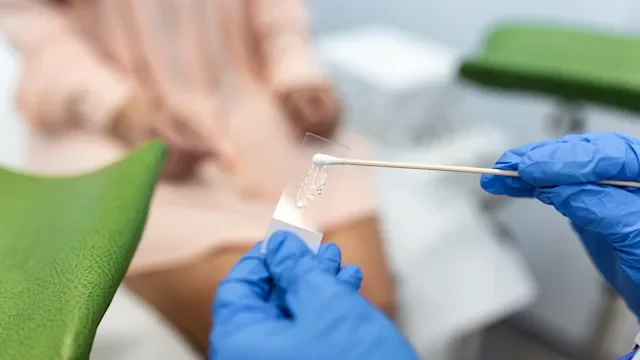
Getting a Pap smear often involves a pelvic exam. A healthcare professional inserts a speculum inside the vagina and uses a small brush to get a sample of cells from the cervix. The cells are then sent to a laboratory for examination under a microscope.
Depending on your age and risk factors, a cervical screening test may include testing for human papillomavirus (HPV), a virus that increases the risk of getting cervical cancer. Certain strains of HPV are “high-risk,” meaning they’re more likely to cause cancer. So testing for these types is an important part of screening.
Does a Pap smear hurt?
While it can cause discomfort, such as vaginal pressure or mild cramping, a Pap smear shouldn’t hurt. It’s important to let your healthcare professional know if you experience any pain during the exam. And if you haven’t had a Pap before, make sure you tell them. They can walk you through what they’re doing.
How often should I get a Pap smear?
For decades, women were advised to get a pelvic exam and Pap smear every year. But, it turns out, this isn’t necessary and can lead to unnecessary exams and testing. Cervical cancer takes a long time to develop, so it’s OK to space out testing intervals a bit more now.
The Women’s Preventive Services screening guidelines recommend the following cervical cancer screening schedule:
Before age 21: no screening needed
Between ages 21 and 29: a Pap test every 3 years
Between ages 30 and 65: an HPV test every 5 years (preferred), OR a Pap and an HPV test together every 5 years, OR a Pap test every 3 years if HPV testing isn’t available
After age 65: no Pap needed for those with prior screening and who aren’t at high risk
Do some people need Pap smears more often?
Yes, some people do need Pap smears more often, including those who are at higher risk for cervical changes or cancer. Examples include:
People who are immunocompromised
People who have HIV (human immunodeficiency virus)
People with a history of high-risk HPV and/or abnormal Pap tests in the past
People who were exposed to diethylstilbestrol (DES), a synthetic form of estrogen, before birth
What if I’m not sure if I need a Pap smear?
Even if you don’t need a Pap smear every year, it’s still a good idea to check in with your primary care provider or gynecologist yearly.
Some people may need a Pap smear and not realize it, such as:
Transgender or nonbinary people who have a cervix
People who have a history or cervical cancer or cervical changes but have had their cervix removed
And some people may need anal Pap smears. So be sure to talk with your healthcare team about your risk factors.
Do I still need a Pap smear if I’m not sexually active?
Yes. Pap smears are recommended even if you aren’t sexually active or have never had heterosexual intercourse. This is because HPV can still spread even without intercourse, such as through genital contact. And while HPV is the most common risk factor for cervical cancer, it isn’t the only one.
Do I still need a Pap smear if I’ve had the HPV vaccine?
Yes, it’s still important to have cervical cancer screenings (Pap smear and/or HPV testing) even if you’ve had the HPV vaccine. The vaccine protects against many — but not all — of the HPV strains that are linked to cervical cancer. It’s also possible to have been exposed to HPV prior to getting the vaccine.
Can I have cervical cancer screening without a pelvic exam?
Yes, you can get screened for cervical cancer without a pelvic exam. In recent years, the FDA has approved self-tests for HPV. The goal is to make cervical cancer screening more accessible, as pelvic exams can be difficult for some people. And self-testing for HPV is just as accurate as testing done by a healthcare professional.
Self-testing involves collecting your own sample to be tested for HPV. There are two types, and both require an order from a healthcare professional:
In-office: A healthcare professional will give you the supplies you need, instruct you on how to collect the sample from your vagina, and give you privacy while you collect your sample.
At home: This involves using a kit with supplies and instructions, including where to send your sample after you collect it.
It’s important to know that self-tests can only detect HPV. They don’t look for changes in cervical cells like a Pap test does. But this is a good screening option for people ages 30 to 65 without any risk factors (as mentioned above).
What if my Pap smear is abnormal?
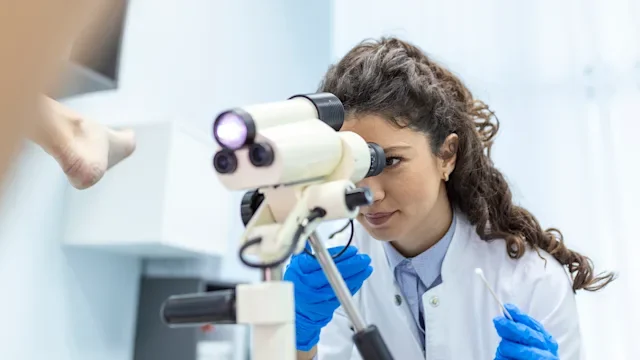
Abnormal Pap smears are common. There are many reasons for an abnormal Pap result, and the next steps depend on what specific abnormalities show up on the test. As a first step, you’ll probably need more testing. This could be a repeat Pap test, a procedure called a colposcopy, or even a biopsy. Longer term, you may need more frequent Pap tests.
How accurate are Pap tests?
Paps are a good screening tool. But, as with any test, they can sometimes be inaccurate. They catch any abnormal result (even low grade) 50% to 80% of the time. For more serious changes, the sensitivity is 70% to 80%.
Pap tests may be inaccurate in some cases:
There aren’t enough cells present in the sample.
There’s blood in the sample, making it hard to interpret.
There’s inflammation or infection.
You can improve the chances of an accurate Pap test by avoiding intercourse, douching, and use of vaginal products for 2 days before your Pap. It’s also a good idea to avoid having your Pap during heavy menstrual flow.
How much does a Pap smear cost?
A Pap test is preventive care. That means most health insurance plans are required to cover it without any copayments, coinsurance, or deductible.
If you don’t have insurance, the cost of a Pap can vary, but it’s generally under $150. There may be health clinics in your area that offer free or low-cost testing, such as a Planned Parenthood health center or your local health department. Sometimes, hospitals and clinics sponsor events that include free cancer screenings, so it’s worth a quick internet search.
Frequently asked questions
Yes, it’s safe to get a Pap test while pregnant.
No, a Pap smear can’t detect ovarian cancer. A Pap test only collects cells from the cervix, which is separate from the ovaries.
It’s not a good idea to have a Pap test during your period. Blood can affect the results of the Pap smear, which can lead to an inaccurate result or repeat testing. It’s better to schedule the test for when you’re not on your period.
Like any medical test or procedure, there are some downsides and risks with Pap smears. The tests can cause discomfort and anxiety. They may also cause a little cramping and light bleeding afterward.
False positives — when Paps come back abnormal but turn out to be nothing concerning — lead to unnecessary healthcare visits and procedures. They can also cause stress and anxiety. This is one of the reasons screening recommendations have changed.
Yes, it’s safe to get a Pap test while pregnant.
No, a Pap smear can’t detect ovarian cancer. A Pap test only collects cells from the cervix, which is separate from the ovaries.
It’s not a good idea to have a Pap test during your period. Blood can affect the results of the Pap smear, which can lead to an inaccurate result or repeat testing. It’s better to schedule the test for when you’re not on your period.
Like any medical test or procedure, there are some downsides and risks with Pap smears. The tests can cause discomfort and anxiety. They may also cause a little cramping and light bleeding afterward.
False positives — when Paps come back abnormal but turn out to be nothing concerning — lead to unnecessary healthcare visits and procedures. They can also cause stress and anxiety. This is one of the reasons screening recommendations have changed.
The bottom line
The recommendations for how often to get a Pap smear have changed over time. Now, it’s possible to have a human papillomavirus (HPV) test, too, instead of or in addition to Pap smears. It can be confusing to know what the best test is for you, but your healthcare team can help guide you.
Your age, risk factors, and previous Pap and/or HPV results determine how often you need to get tested. If you have a cervix and are between ages 21 and 65, you‘ll need testing at least every 3 to 5 years — even if you’ve had the HPV vaccine.

Why trust our experts?




References
American Cancer Society. (2025). In-clinic and at-home HPV self-collection test.
American College of Obstetricians and Gynecologists. (2025). Cervical cancer screening.
Christine, B., et al. (2026). New cervical cancer screening guidelines from the US Department of Health and Human Services. JAMA.
College of American Pathologists Foundation. (n.d.). What is see, test & treat?
Health Resources & Services Administration. (2025). Women’s preventive services guidelines.
National Cancer Institute. (2025). Cervical cancer screening (PDQ)–Health professional version.
National Cancer Institute. (2025). Diethylstilbestrol (DES) exposure and cancer.
National Cervical Cancer Coalition. (n.d.). Cervical cancer screening: Pap and HPV tests.
Planned Parenthood. (n.d.). What’s a Pap test?