Key takeaways:
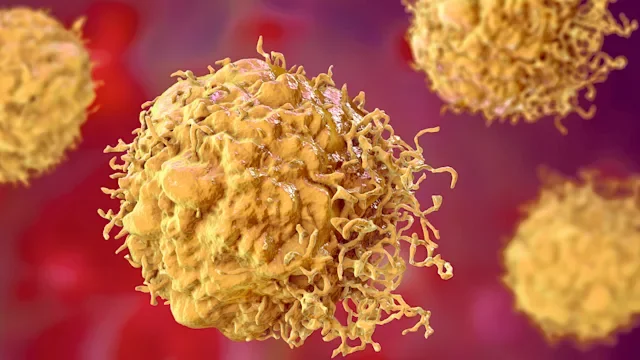
Neuroendocrine tumors are a rare type of cancer that begin in specialized cells called neuroendocrine cells.
Neuroendocrine cells are located in many parts of the body, so neuroendocrine tumors can start in many different organs.
The most common types of neuroendocrine tumors are neuroendocrine tumors of the gastrointestinal tract (gut) and neuroendocrine tumors of the lungs.
Neuroendocrine tumors (NETs) are a rare type of cancer that begin in neuroendocrine cells. About 8,000 adults in the U.S. are diagnosed with neuroendocrine tumors of the gastrointestinal (GI) tract each year — and that’s the most common type of neuroendocrine tumor. For comparison, 30 times that number of people are diagnosed with breast cancer, and 13 times that are diagnosed with colon cancer each year in the U.S.
What is a neuroendocrine tumor?
All types of neuroendocrine tumors (NETs) are similar in how they start: They’re caused by a change (mutation) in a neuroendocrine cell that leads to cancer. But they can behave very differently depending on where they start and their behavior.
Neuroendocrine tumors are classified based on:
Where they start: NETs can start in many parts of the body, including the gut, lungs, pancreas, and thyroid. Some people can develop many neuroendocrine tumors, especially if they have a condition called multiple endocrine neoplasia type 1 (MEN1) syndrome. But most people only develop neuroendocrine tumors in one place.
Whether they make hormones: Normally neuroendocrine cells make and release hormones. These hormones travel to other parts of the body and help regulate important functions, like digestion, blood pressure, heart rate, bone, and muscle growth. A neuroendocrine tumor may or may not make hormones. A neuroendocrine tumor that produces hormones is called a “functional” tumor and one that doesn’t is called “nonfunctional.”
How quickly they grow: NETs are also classified based on how abnormal the cells look and how fast the tumor is expected to grow. This is called tumor grading. A low-grade tumor (also called well-differentiated tumor) has cells that look fairly normal and tend to be slow growing. A high-grade tumor (or poorly differentiated tumor) looks very different under a microscope and spreads more quickly.
Let’s take a closer look at the different types of neuroendocrine tumors.
1. Neuroendocrine tumors of the gastrointestinal tract
Neuroendocrine tumors of the GI tract are the most common type of NETs.
Neuroendocrine cells are found throughout the lining of the gut, so neuroendocrine tumors can start anywhere along the GI tract. But the most common places where neuroendocrine tumors start are in the:
Appendix
Small Intestine
Rectum
It’s possible to have multiple neuroendocrine tumors throughout the GI tract. But this is uncommon.
Some types of NETs of the GI tract can make and release a hormone called serotonin. When this happens, it’s called carcinoid syndrome.
Symptoms of carcinoid syndrome are:
Flushing and skin redness
Sweating
Diarrhea
Shortness of breath or trouble breathing
Fast heart rate
High blood pressure
Other types of NETs can also cause carcinoid syndrome, especially neuroendocrine tumors of the lungs.
2. Neuroendocrine tumors of the lungs
Neuroendocrine tumors of the lungs are the second most common type of NETs. They make up about 20% to 30% of neuroendocrine tumors.
Neuroendocrine tumors usually start in the airways of the lungs (bronchial neuroendocrine tumors). But they can also start in the tissue of the lungs. Some types of lung NETs include:
Small cell lung cancer
Large cell neuroendocrine carcinoma
Some neuroendocrine tumors of the lungs are functional — they can make and release serotonin. But this is uncommon. Fewer than 1 in 10 people with these types of neuroendocrine tumors develop carcinoid syndrome. People don’t tend to develop carcinoid syndrome unless they have a large tumor.
In very rare cases, these tumors can release other hormones, which can trigger hormonal imbalances like acromegaly or Cushing’s syndrome.
3. Neuroendocrine tumors of the pancreas
Neuroendocrine tumors of the pancreas are the third most common type of NETs. About 7% of all neuroendocrine tumors start in the pancreas.
Like the healthy cells that make up the pancreas, NETs of the pancreas can make different hormones. The symptoms a person may feel depend on the hormone or hormones being made:
Insulin: High levels of insulin can cause symptoms of low blood sugar (hypoglycemia) like sweating, dizziness, confusion, and weakness.
Gastrin: High levels of gastrin increase the amount of acid the stomach makes. This can lead to stomach ulcers.
Glucagon: High levels of glucagon lead to high blood sugar, which can cause diarrhea, a rash, and symptoms similar to diabetes.
Vasoactive intestinal peptide: High levels of vasoactive intestinal peptide can cause watery diarrhea and low potassium levels (hypokalemia).
Somatostatin: High levels of somatostatin can cause oily diarrhea (steatorrhea), high blood sugar, and gallstones.
A neuroendocrine tumor of the pancreas can make one or more of these hormones at a time. But some tumors don’t make enough hormones to cause any symptoms.
Just over 90% of all NETs start in either the GI tract, lungs, or pancreas. The remaining 10% start in other parts of the body. These types of tumors are extremely rare.
4. Pheochromocytomas
Pheochromocytomas are tumors that start in the adrenal glands. The body has two adrenal glands, which are located above the kidneys. Pheochromocytomas develop in the cells that make up the inner layer of the adrenal glands.
Pheochromocytomas make hormones called epinephrine and norepinephrine. Surges in these hormones lead to symptoms like:
Rapid heart rate
Palpitations
High blood pressure
Shakiness
Sweating
Headaches
These surges can also put people at risk for serious health problems, including strokes, heart attacks, and sudden death.
Pheochromocytomas don’t often spread beyond the adrenal glands. So, once they’re diagnosed, they can be treated and even cured with surgery.
5. Paragangliomas
Paragangliomas also form in clusters of nerve cells (ganglia) that surround major blood vessels, especially in the head and neck. Like pheochromocytomas, they can release hormones.
They’re very slow growing and are often caught before they have a chance to spread. That means they can often be treated and cured with surgery.
6. Pituitary neuroendocrine tumor
Pituitary neuroendocrine tumors start in the pituitary gland. The pituitary gland is attached to the brain, and it releases several hormones. Pituitary NETs are not a type of brain cancer because they start in neuroendocrine cells — and not the cells that make up parts of the brain.
Pituitary NETs are also called pituitary adenomas or PitNETs. These types of tumors can release hormones that can lead to conditions like:
Cushing’s syndrome
Acromegaly
Amenorrhea (irregular or lack of menstruation)
Galactorrhea (breast milk production not related to pregnancy and delivery)
7. Medullary thyroid cancer
The thyroid is an organ in the neck that makes thyroid hormone. Medullary thyroid cancer is a rare type of thyroid cancer that starts in the C-cells of the thyroid. These cells make a hormone called calcitonin.
Medullary thyroid cancer is rare. Only about 1,000 people are diagnosed with this type of thyroid cancer each year.
8. Neuroendocrine tumors of the reproductive system
Neuroendocrine tumors can develop in both the male and female reproductive systems. They may start in the:
Testicle
Prostate
Ovary
Cervix
Uterus (endometrium)
Vagina
Vulva
These types of tumors are extremely rare.
9. Neuroendocrine carcinoma of the skin
Neuroendocrine carcinoma of the skin is a very rare type of skin cancer. It’s also called Merkel cell carcinoma because the cancer begins in the Merkel cells. These cells are found in the top layer of the skin (epidermis).
Neuroendocrine carcinoma of the skin usually starts out as a skin lump. Unlike other types of skin cancer, it can grow and spread quickly.
This type of cancer is very rare. Only about 1,600 people are diagnosed with it each year. Many cases are linked to Merkel cell polyomavirus. This is a silent virus that can trigger cancer similar to how the HPV virus can cause cervical cancer and the hepatitis B virus can cause liver cancer.
Frequently asked questions
Your healthcare team will determine if your tumor is benign or malignant based on its behavior. Imaging tests, biopsies, and blood work can provide more information on your tumor’s behavior.
There’s no single blood test for neuroendocrine disease. Depending on your symptoms, your healthcare team may test for specific hormones.
Most cancers are staged using the TNM system. The “T” stands for tumor. It refers to the size of the primary tumor. So a T3 neuroendocrine tumor gives information about the size of the primary tumor. The size to be considered a T3 tumor depends on the type of neuroendocrine tumor.
Your healthcare team will determine if your tumor is benign or malignant based on its behavior. Imaging tests, biopsies, and blood work can provide more information on your tumor’s behavior.
There’s no single blood test for neuroendocrine disease. Depending on your symptoms, your healthcare team may test for specific hormones.
Most cancers are staged using the TNM system. The “T” stands for tumor. It refers to the size of the primary tumor. So a T3 neuroendocrine tumor gives information about the size of the primary tumor. The size to be considered a T3 tumor depends on the type of neuroendocrine tumor.
The bottom line
There are many different types of neuroendocrine tumors (NETs). Neuroendocrine tumors are grouped by where they start in the body. Not all types of NETs behave the same way. And they don’t all respond to treatment the same way. NETs are rare, but some types are more common than others. Gastrointestinal and lung NETs are the most common types.

Why trust our experts?



References
American Cancer Society. (2025). If you have a lung neuroendocrine tumor.
American Cancer Society. (2018). If you have a pancreatic neuroendocrine tumor (NET).
American Cancer Society. (2026). Key statistics for colorectal cancer.
American Cancer Society. (2026). Key statistics for breast cancer.
American Cancer Society. (2025). Key statistics about gastrointestinal neuroendocrine tumors.
American Cancer Society. (2025). Signs and symptoms of gastrointestinal neuroendocrine tumors.
Gomes, L. L. A., et al. (2023). Rare and often aggressive, Merkel cell cancer is best caught early. Harvard Health Publishing.
Gosain, R., et al. (2018). Management of typical and atypical pulmonary carcinoids based on different established guidelines. Cancers.
MedlinePlus. (n.d.). Pheochromocytoma.
National Cancer Institute. (2022). Cancer staging.
National Cancer Institute. (2023). Gastrointestinal neuroendocrine tumors treatment (PDQ)–patient version.
National Cancer Institute. (2019). Medullary thyroid cancer (MTC).
National Cancer Institute. (2020). Paraganglioma.
National Cancer Institute. (2023). Pheochromocytoma and paraganglioma treatment (PDQ)–patient version.
Neuroendocrine Tumor Research Foundation. (n.d.). NET grade & stage.
Neuroendocrine Tumor Research Foundation. (n.d.). Nonfunctional and functional NETs.
Ramos Santillan, V., et al. (2024). Medullary thyroid cancer. StatPearls.
UCLA Health. (n.d.) What is a pheochromocytoma?
Villa, C., et al. (2023). The World Health Organization classifications of pituitary neuroendocrine tumours: A clinico-pathological appraisal. Endocrine-Related Cancer.