Key takeaways:
It’s safe to use birth control pills to skip your period.
If you skip the placebo pills at the end of the month, you may experience breakthrough bleeding at unexpected times.
There are many different types of birth control pills, and some are better than others if you want to intentionally skip your periods.
Just over 10% of women in the U.S. take a birth control pill. The name “birth control pill” is actually a bit misleading, because these medications can be used for more than pregnancy prevention. Some people who take the pill do so to skip or control the timing of their periods.
Let’s look at how safe this practice is and some of the pros and cons of skipping periods on birth control.
How to skip a period on birth control pills
There are two main types of birth control pills: combination and progestin only. But you can’t reliably skip your period with each type. You can intentionally skip your period with combination birth control pills, which are pills that have both estrogen and progestin hormones. It’s possible to stop having a period while taking progestin-only pills, but it’s not predictable or able to be planned.
Search and compare options
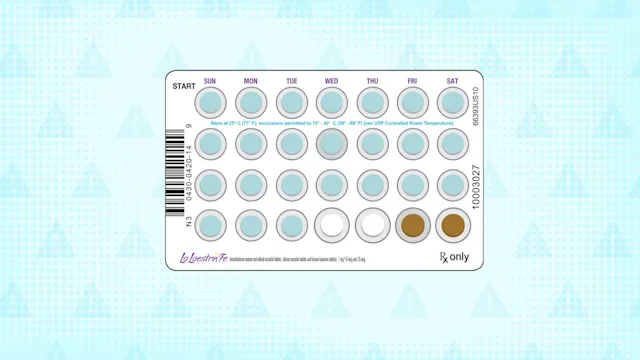
Oral contraceptive pills can be used to skip a period when you take pills with active hormones continuously and avoid any inactive pills. Most combination pill packs include:
Active pills: 21 to 24 active pills, which contain estrogen and progestin
Inactive pills: 4 or 7 inactive pills, also known as “placebo” or “sugar pills”
To skip or delay your period, take a pill daily as usual. When getting to the inactive pills, start a new pack instead. The inactive pills usually are colored differently so you can tell them apart. If you’re not sure which ones are inactive, talk with your pharmacist.
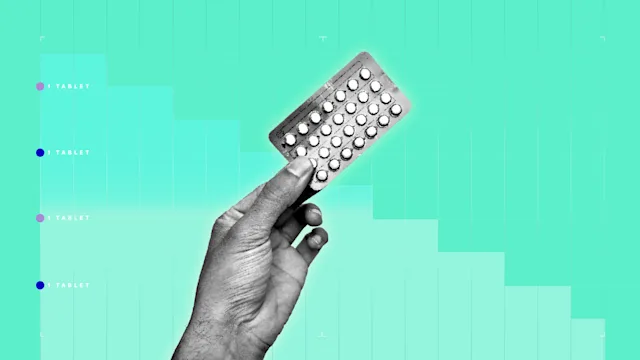
Continuous or extended cycle birth control pill options are also available to decrease how often you have a period. With these, each pill in the pack is active with hormones, and there aren’t any inactive pills to take at the end of every month.
What are the benefits of skipping my period?
There are many potential benefits to skipping your period. Less frequent periods can be helpful for some people who:
Are at risk of anemia (low blood counts) from heavy bleeding
Have menstrual migraines
Want menstrual symptom relief
Need the convenience for travel, hobbies, or work
Get hormonal acne flare-ups during menstruation
What are the risks of skipping my period using the pill?
Overall, it’s safe to skip a period. In fact, there’s no specific health benefit for having a period each month. But there may be a couple of things to consider when skipping your period each month.
Insurance concerns
If you’re skipping the inactive pills each month, you might get out of sync with your insurance refill authorizations. For example, if you only take active pills, you’ll need your next month’s supply as early as day 22. But your insurance may only cover a new pack of pills every 28 days.
If this is an issue for you, consider asking your prescriber to switch you to a 3-month pill specifically designed to skip over the inactive pills.
Missing doses
Another risk of changing your medication routine is that you may occasionally forget to take the active pills. It’s important to keep in mind that skipped pills may allow ovulation, which can lead to unwanted pregnancy for those who are sexually active.
What are the potential side effects of skipping periods while on birth control?
If you choose to take your active birth control pills continuously, you’re likely to have breakthrough bleeding — spotting or bleeding at unpredictable times. This is normal and not a health risk. But it can be inconvenient. The frequency of breakthrough bleeding decreases the longer continuous packs are used.
Other side effects may include:
Breast tenderness
Depressed mood
Headache
Nausea
Decreased libido
Many of these symptoms will improve as your body adjusts to skipping periods.
What types of birth control pills are available?
There are many different types of oral contraceptives (more than 40 different generic pills with over 150 brand names). They all offer slightly different types and amounts of the hormones estrogen and progesterone.
Finding the best birth control for you may take some trial and error with your healthcare professional. This is especially true if you plan to use it to control the timing of your period
It can be helpful to think of the pill in four broad categories:
The minipill: This pill contains only one type of female hormone — progestin — and is meant to be taken continuously. There are no placebo pills in the pack. The way it’s designed means that many people who take it don’t menstruate. But some people still have periods and breakthrough bleeding. Also note that it’s not as effective as other pills at preventing pregnancy — but it can reduce heavy bleeding.
Combination pills: These pills contain different combinations of estrogen and progestin. Some pills contain the same amount of these hormones every day (“monophasic” pills). And others vary the amount in an attempt to more closely imitate the natural menstrual cycle (“biphasic” and “triphasic” pills). These cycles include the placebo pills, which can be skipped to avoid your period.
Extended-cycle pills: These pills are designed to be taken for 3 months at a time before there’s a scheduled break in the active pills. They’re prescribed in 90-day packs, and there are no inactive or placebo pills in a pack.
Low-estrogen pills: These pills are made with a lower dose of estrogen (compared to the higher doses contained in combination and extended-cycle pills). They may be more suitable for women who have unwanted symptoms with higher-dose estrogen, or to reduce exposure to estrogen. Similar to the combination packs, they contain placebo pills that can be skipped over.
Frequently asked questions
Birth control pills don’t typically cause weight gain, whether you’re using them traditionally or to skip your period. If you do notice some weight gain after starting birth control pills, your body could be storing extra fluid due to the shift in hormones. But it’s possible that the weight gain is not related to birth control at all.
Yes, you can take metformin and birth control at the same time. In fact, they’re commonly prescribed together as a treatment for polyendocrine metabolic ovarian syndrome (PMOS), previously named polycystic ovary syndrome (PCOS). Some birth control pills can worsen symptoms of PMOS or cause high blood glucose levels though. So, if you’re taking metformin, your prescriber can help you choose a birth control that’s best for you.
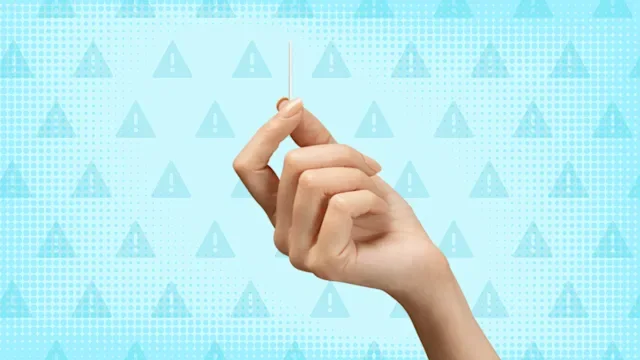
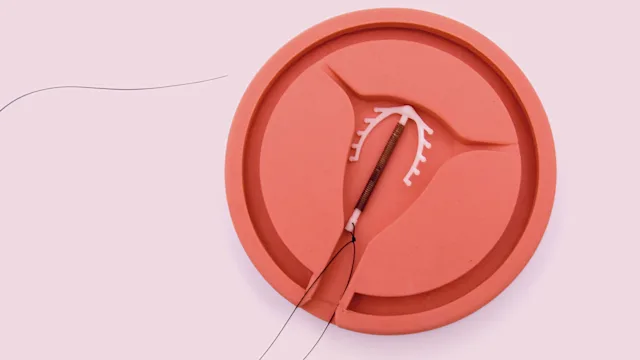
If you’d like to prevent your period from coming, you can delay it by using hormonal birth control. You can use the active pills of a combination birth control pill, the vaginal ring, or contraceptive patch continuously to skip your period. Some people may also find that they stop having periods after using progestin-only birth control methods, like the hormonal intrauterine device (IUD), implant, or Depo-Provera shot. But there’s no way to know how your body will respond to these hormones or predict if your period will stop coming.
Birth control pills don’t typically cause weight gain, whether you’re using them traditionally or to skip your period. If you do notice some weight gain after starting birth control pills, your body could be storing extra fluid due to the shift in hormones. But it’s possible that the weight gain is not related to birth control at all.
Yes, you can take metformin and birth control at the same time. In fact, they’re commonly prescribed together as a treatment for polyendocrine metabolic ovarian syndrome (PMOS), previously named polycystic ovary syndrome (PCOS). Some birth control pills can worsen symptoms of PMOS or cause high blood glucose levels though. So, if you’re taking metformin, your prescriber can help you choose a birth control that’s best for you.
If you’d like to prevent your period from coming, you can delay it by using hormonal birth control. You can use the active pills of a combination birth control pill, the vaginal ring, or contraceptive patch continuously to skip your period. Some people may also find that they stop having periods after using progestin-only birth control methods, like the hormonal intrauterine device (IUD), implant, or Depo-Provera shot. But there’s no way to know how your body will respond to these hormones or predict if your period will stop coming.
The bottom line
For people who prefer to skip their period, it’s safe and easy to do with birth control pills. There are different types of birth control pills. But only the combination birth control pill offers the option of intentionally skipping your period. Skipping your period can offer health benefits for those with period-related conditions like anemia or menstrual migraines. Controlling the timing of your period can be a real bonus of birth control, and the good news is that it’s safe to do so.

Why trust our experts?



References
American College of Obstetricians and Gynecologists. (2022). General approaches to medical management of menstrual suppression.
Barr, N. G. (2010). Managing adverse effects of hormonal contraceptives. American Family Physician.
Centers for Disease Control and Prevention. (2026). Contraceptive use.