Key takeaways:
After appendicitis surgery (appendectomy), most people start with liquids and easy-to-digest foods before gradually returning to their regular diet.
How quickly you can return to a normal diet after appendicitis surgery depends on the type of surgery you had and if there were any complications.
Once you’re ready for a regular diet, it’s a good idea to gradually include fiber-rich foods to avoid constipation.
If you’ve just had surgery for appendicitis (an appendectomy), your body needs nourishment to help you heal. But you may need to ease back into your usual diet as your digestive system recovers. This article will go through the best foods to eat after appendicitis surgery to help with a smooth recovery.
What can you eat after appendicitis surgery?
What you can eat and drink (and when) will depend on the type of surgery you had. There are two common types of surgery to remove your appendix:
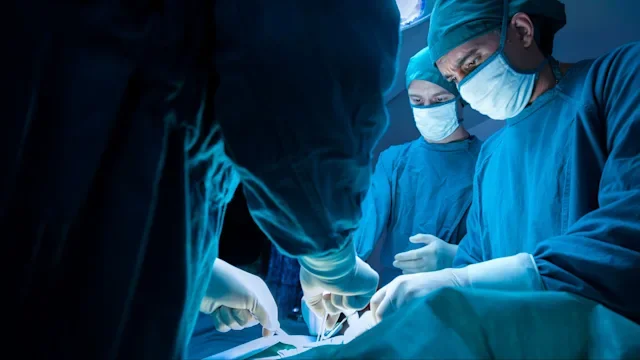
Open appendectomy: During this surgery, a surgeon cuts directly into your abdominal wall and removes the appendix with their hands. This is a more invasive surgery.
Laparoscopic appendectomy: A surgeon inserts surgical instruments through small incisions to remove the appendix. People generally recover faster from laparoscopic surgery since it’s less invasive.
Your recovery time — and return to eating — also depends on whether there were complications. For example, your recovery may take longer if the appendix ruptured or if an abscess (infected tissue outside of the appendix) developed. These complications take a bit longer to heal from. And this means you may have to wait longer to eat, walk, and leave the hospital.
Your surgical team will tell you when you can start eating again based on your post-surgery exam and how your surgery went. Below, we share what a typical timeline often looks like.
Immediately after surgery
You can usually start sipping water as soon as you wake up after surgery. Once your surgical team examines you, they’ll likely give you the OK to have other clear liquids such as:
Broth, such as fat-free bouillon
Jell-O
Popsicles
Clear sodas (like Sprite or ginger ale)
Fruit juices without pulp (like apple or cranberry juice)
Around 24 hours after surgery
If you’re able to consume these clear liquids without any trouble, your surgical team will clear you to start solid foods. Most people are able to eat solid food around 24 hours after appendicitis surgery.
It’s best to start with simple and low-fat foods such as:
Well-cooked, soft cereals
Mashed potatoes
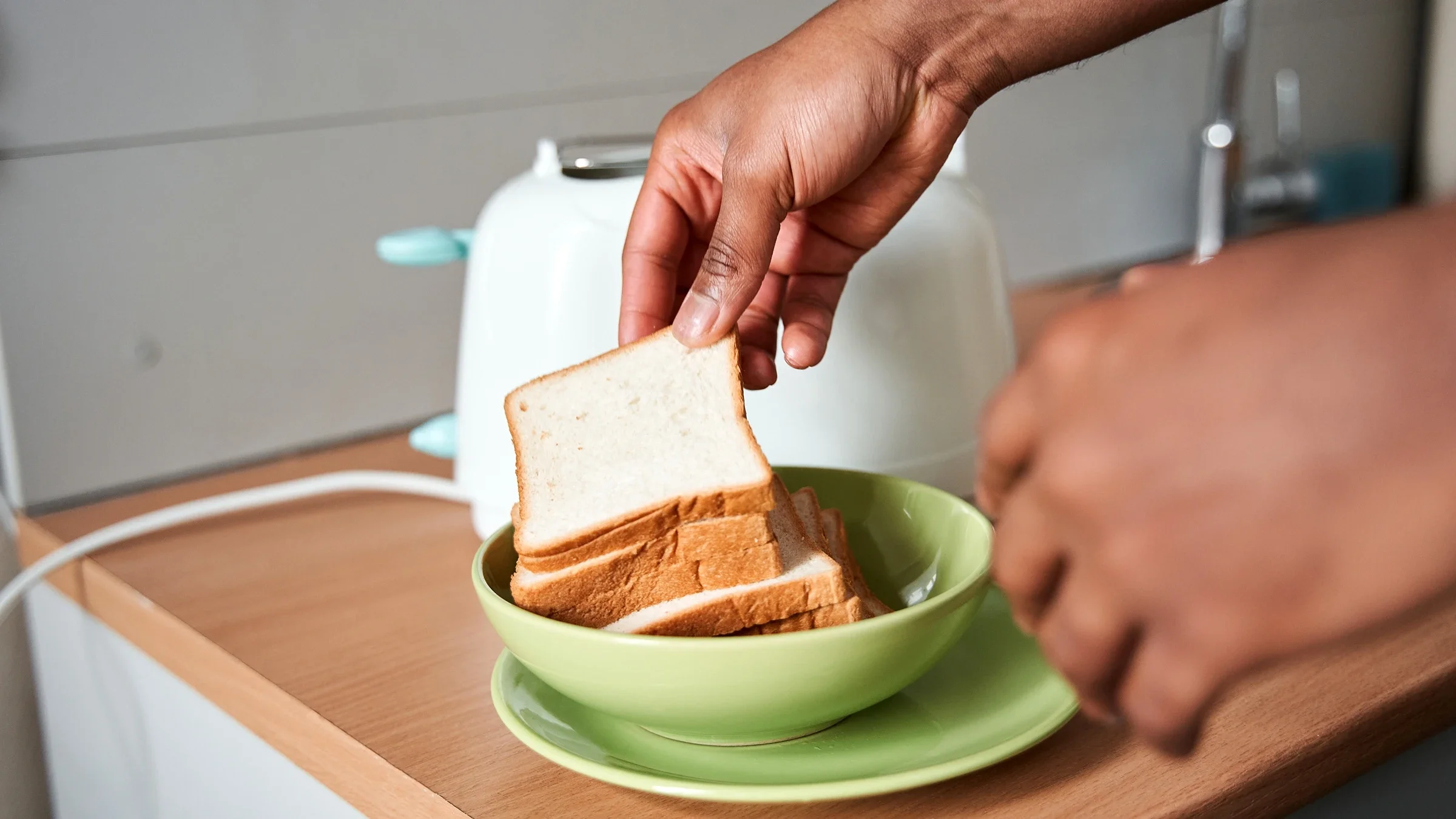
Plain toast
Plain crackers
Plain pasta
Rice
Low-fat cottage cheese
Low-fat yogurt
Ripe bananas
Start with small meals at first. Smaller meals may be easier to tolerate. And they can reduce bloating, nausea, and abdominal discomfort.
After 1 to 2 days
As your appetite and digestion improve, gradually add fiber-rich foods like whole grains, fruits, and vegetables. And make sure to drink enough water. Doing these two things can help you prevent constipation, which is common after surgery.
What should you not eat or drink after appendicitis surgery?
There are some foods you should avoid after having your appendix removed, even if you’re cleared to go back to your regular diet.
You should avoid fried, greasy, and high-fat foods. These foods may cause indigestion, nausea, and diarrhea while your digestive system is recovering. Even after you’re cleared to return to your regular diet, it’s best to temporarily avoid foods like:
High-fat processed meats, including bacon and salami
French fries or potato chips
Fast food
Packaged desserts, like cakes and donuts
Are there any permanent dietary changes you should make after appendicitis surgery?
No, most people don’t need to permanently change their diet after having their appendix removed.
Because the appendix is connected to the intestine, you may wonder whether digestion changes after surgery. But according to Emilia Genova, MD, the appendix doesn’t play an essential role in digestion. That means long-term dietary changes usually aren’t necessary after an appendectomy. But your needs may depend on the circumstances surrounding your surgery.
“Sometimes, if the patients have been ill, have had a perforation (rupture) of the appendix, or needed a more extensive surgery — such as bowel resection — diet changes may be indicated,” said Genova.
When should you contact your healthcare team after appendicitis surgery?
It‘s normal to have some mild abdominal discomfort and nausea after appendicitis surgery. If you had laparoscopic surgery, you might also notice some shoulder or neck pain from the gas used to inflate your abdomen during surgery. These symptoms will improve with time.
But some symptoms are more concerning. You should contact your surgical team right away in these cases:
Your pain isn’t getting better after 2 or 3 days.
Your pain is getting worse at any time after surgery.
You’re unable to keep food or liquids down.
You have worsening constipation, severe bloating, vomiting, or inability to pass gas.
You develop a fever.
You notice redness, discharge, swelling, or pain around your incision (stitches).
Frequently asked questions
The fastest way to recover from appendix surgery is to gradually return to your regular diet and activity levels — not all at once. Trying to push through pain or return to strenuous exercise too quickly can delay your healing. Some helpful steps you can take to support recovery include:
Gentle walking daily
Managing pain well enough to sleep and move comfortably
Protecting your incisions
Avoiding heavy lifting
There isn't a specific diet you need to follow after having your appendix removed. Most people can support their gut health after surgery with the same habits that promote overall digestive health. Once you return to a regular diet, increase your fiber intake gradually, drink enough fluids, and stay physically active — without overdoing it. You can also include fermented foods like kefir, sauerkraut, and yogurt with live cultures. These foods contain beneficial microbes that may help support a healthy gut microbiome. It's also important to use antibiotics only as prescribed.
The fastest way to recover from appendix surgery is to gradually return to your regular diet and activity levels — not all at once. Trying to push through pain or return to strenuous exercise too quickly can delay your healing. Some helpful steps you can take to support recovery include:
Gentle walking daily
Managing pain well enough to sleep and move comfortably
Protecting your incisions
Avoiding heavy lifting
There isn't a specific diet you need to follow after having your appendix removed. Most people can support their gut health after surgery with the same habits that promote overall digestive health. Once you return to a regular diet, increase your fiber intake gradually, drink enough fluids, and stay physically active — without overdoing it. You can also include fermented foods like kefir, sauerkraut, and yogurt with live cultures. These foods contain beneficial microbes that may help support a healthy gut microbiome. It's also important to use antibiotics only as prescribed.
The bottom line
Most people can begin sipping clear liquids soon after appendicitis surgery and gradually add solid foods as tolerated. Start with soft, bland, lower-fat foods. As your appetite and digestion improve, slowly return to your usual diet and add fiber-rich foods and plenty of fluids to help prevent constipation. Follow your surgical team’s instructions, especially if you had a ruptured appendix or a more complicated surgery.

Why trust our experts?




References
Alotaibi, A. M., et al. (2022). Complicated appendicitis increases the hospital length of stay. Surgery Open Science.
Better Health Channel. (2012). Appendectomy. Victoria State Government.
Lotfollahzadeh S., et al. (2024). Appendicitis. StatPearls
MedlinePlus. (2024). Clear liquid diet.
MedlinePlus. (2026). Laparoscopy.
University of Michigan Health. (2018). Caring for myself after laparoscopic appendectomy.
WashU Medicine. (2026). Do you need your appendix?