Key takeaways:
Pseudocholinesterase deficiency is a medical condition in which someone remains paralyzed for several hours after receiving anesthesia.
People with pseudocholinesterase deficiency shouldn’t receive certain local anesthetics or skeletal muscle relaxants, like succinylcholine and mivacurium.
If you have family members with this condition, it’s a good idea to visit your provider to test for the condition.
Pseudocholinesterase is an enzyme that breaks down certain toxic substances, like solanine and pesticides. It also has another important function — it breaks down medicines that healthcare teams use during anesthesia.
Some people don’t make pseudocholinesterase. This is called “pseudocholinesterase deficiency.” If people with pseudocholinesterase deficiency receive certain anesthesia medication, they experience paralysis. This means they can’t move or breathe on their own.
Although this condition is rare, some people are at higher risk of developing it. Let’s take a closer look at pseudocholinesterase deficiency and what it could mean for you.
Causes of pseudocholinesterase deficiency
People can either be born with pseudocholinesterase deficiency or develop it over time.
People born with pseudocholinesterase deficiency have a mutation in one of their genes. So it usually runs in their family. This mutation happens in people from all backgrounds. But it happens more often in Alaska Natives and people with Persian Jewish backgrounds.
People can also develop pseudocholinesterase deficiency if they have certain medical conditions or take certain medications.
Medical conditions that can lead to pseudocholinesterase deficiency include:
Burn injuries
Malnutrition
Liver cancer
Bladder cancer
Medications that can cause pseudocholinesterase deficiency include:
Oral contraceptives
MAO inhibitors, especially phenelzine (Nardil)
Metoclopramide (Reglan)
Echothiophate eye drops
Types of reactions to anesthesia with pseudocholinesterase deficiency
People with pseudocholinesterase deficiency can have reactions to both general and local anesthesia.
General anesthesia
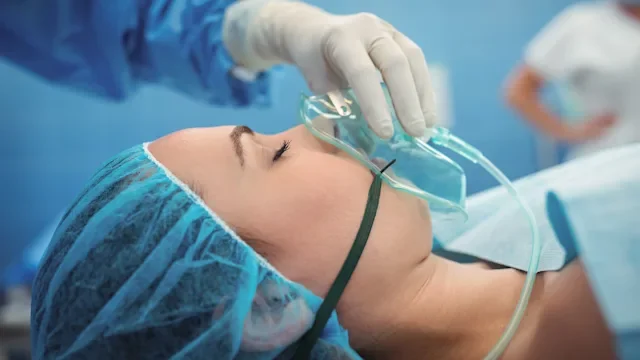
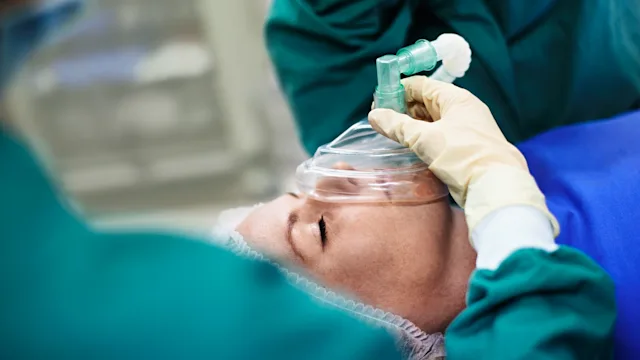
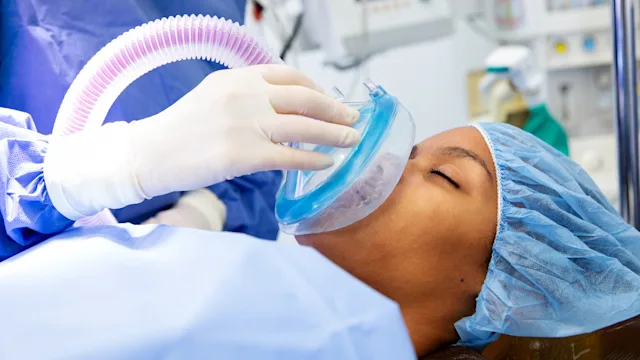
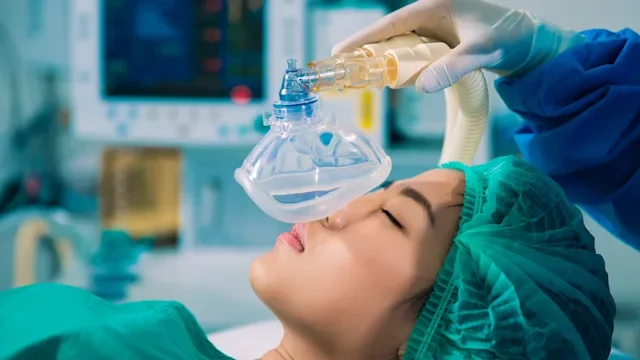
During general anesthesia, you receive several medications so you don’t feel pain or remember the surgery. One of these medications paralyzes the muscles in the body so you don’t move while the surgeon works.
People with pseudocholinesterase deficiency can’t process these paralyzing medications. So after the surgery is over, they remain paralyzed and can’t breathe on their own.
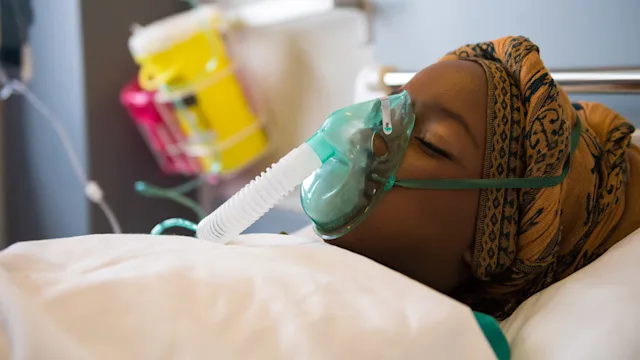
The paralysis wears off over about 18 hours. Until the paralysis goes away, people need support from a ventilator, or breathing machine. They also need sedation medications so they aren’t aware of the experience.
Even though the paralysis is temporary, the experience can be very frightening. One study showed about half of people who went through this paralysis had long-term psychological distress.
Local anesthesia
Healthcare providers use local anesthesia to numb only one part of the body, so you don’t feel pain in that area. Many people know about local anesthesia because they’ve needed it for dental work or to get stitches.
People with pseudocholinesterase deficiency can’t break down some local anesthetics. Buildup of these medications can cause heart strain.
Medications to avoid with pseudocholinesterase deficiency
People with pseudocholinesterase deficiency need to avoid specific medications, including:
Succinylcholine
Mivacurium
Chloroprocaine
Tetracaine
Procaine
Benzocaine
The last four medications are local anesthetics, but providers don’t use them often anymore.
Treatment
There’s no treatment for pseudocholinesterase deficiency. So people with this condition need to make sure they don’t receive the medications listed above.
If you need anesthesia, be sure to let your healthcare team know that you have pseudocholinesterase deficiency.
It's also a good idea to wear a medical-alert bracelet. These are helpful when you need emergency surgery and don’t have time to talk to the anesthesia team.
Testing
A blood test can show if you have pseudocholinesterase deficiency.
Pseudocholinesterase deficiency isn’t very common. Healthcare providers only recommend testing for certain groups of people, including those with:
Family members who have pseudocholinesterase deficiency
A history of having an unusual reaction to local anesthesia
A prior episode of paralysis after general anesthesia
The bottom line
Pseudocholinesterase deficiency is a rare condition where someone can’t break down certain anesthesia medications. This results in someone not being able to move or breathe on their own for many hours after surgery. People with this condition shouldn’t receive succinylcholine, mivacurium, and certain local anesthetics. Although it’s usually genetic, certain medical conditions and medications can also cause it. If someone in your family has it, be sure to visit your provider for testing.

Why trust our experts?



References
El-Boghdadly, K., et al. (2018). Local anesthetic systemic toxicity: Current perspectives. Local and Regional Anesthesia.
Genetic and Rare Diseases Information Center. (2021). Pseudocholinesterase deficiency.
Gregoire, C. (2011). Can I use local anesthetic on a patient with pseudocholinesterase deficiency? JCDA express.
MedlinePlus. (2020). BCHE gene.
MedlinePlus. (2020). Pseudocholinesterase deficiency.
Raj, P. P., et al. (1980). Kinetics of local anesthetic esters and the effects of adjuvant drugs on 2-chloroprocaine hydrolysis. Anesthesiology.
Robles, A., et al. (2019). Pseudocholinesterase deficiency: What the proceduralist needs to know. The American Journal of the Medical Sciences.
Soliday, F. K., et al. (2010). Pseudocholinesterase deficiency: A comprehensive review of genetic, acquired, and drug influences. AANA Journal.