Alopecia Areata
Comprehensive information for you or a loved one — including treatment options and discounts on popular medications.

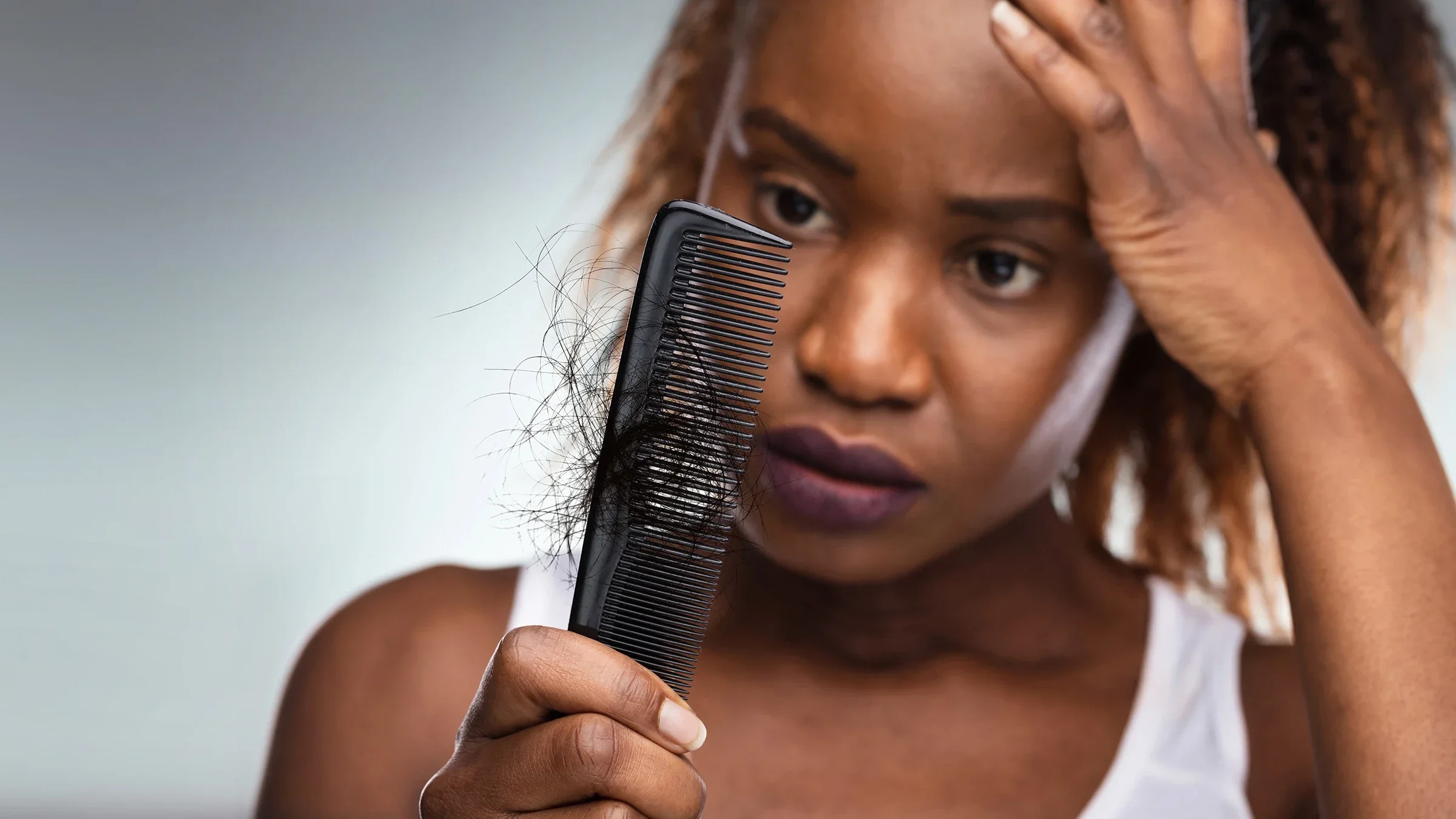
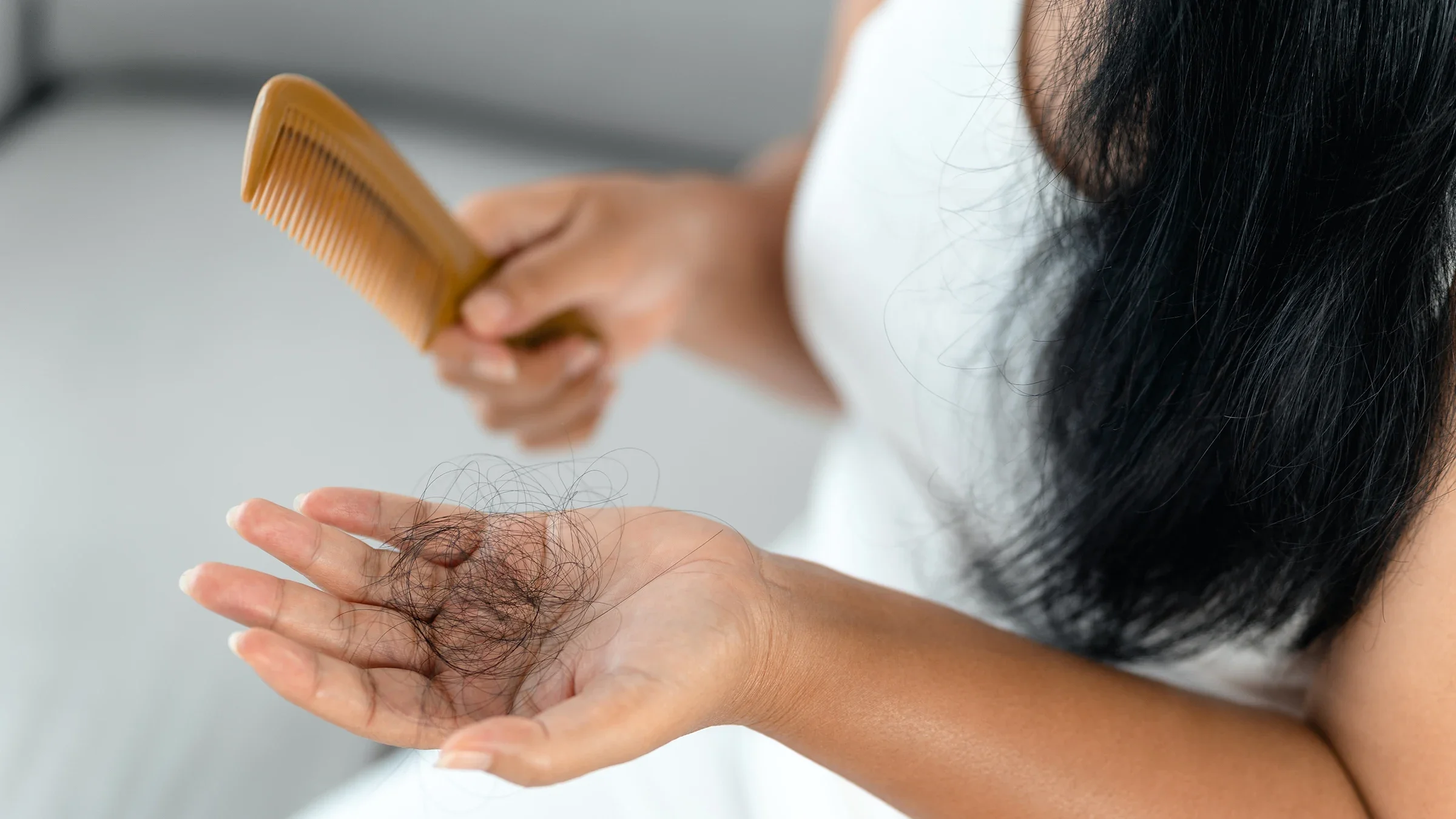
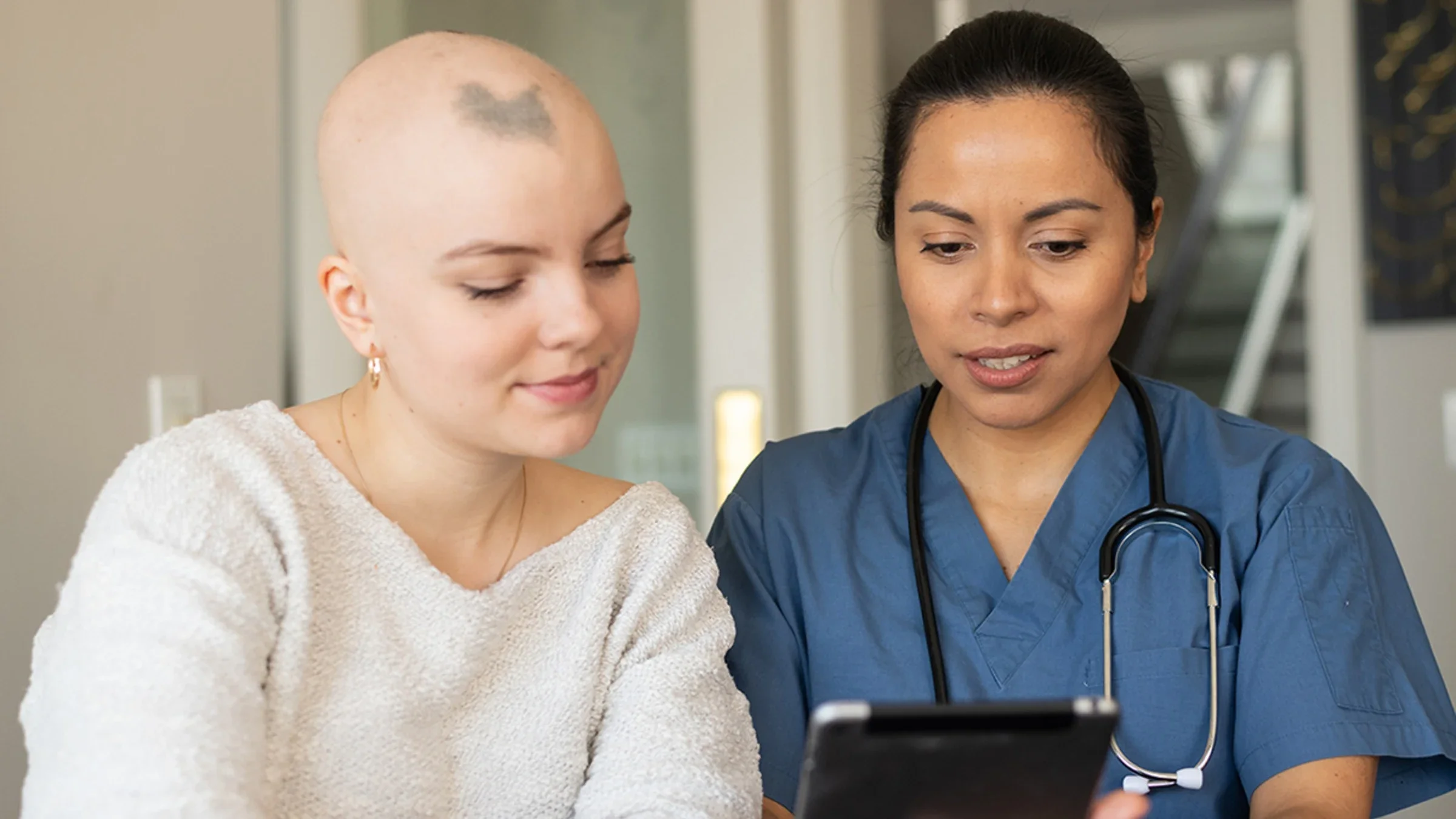
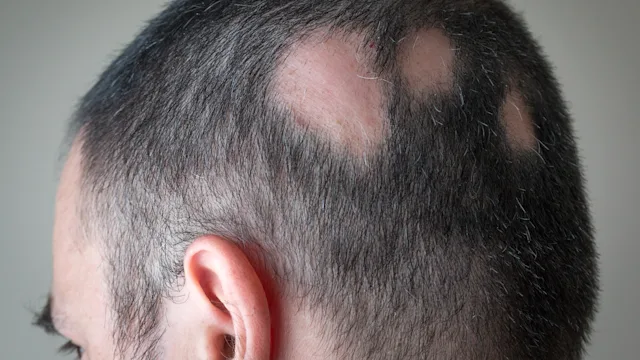
Alopecia areata is a condition that causes you to lose patches of hair. It usually appears as round or oval spots on the scalp. But it can occur anywhere on the body where you have hair. The patches can be small and unnoticeable, or they can grow larger. Many people will eventually regrow the lost hair.
Alopecia areata affects up to 2% of people of all ages and genders. But the condition affects each person differently. Some people will have only one episode of hair loss and regrowth. Others will have several cycles of hair loss and regrowth over the course of their life.
Alopecia areata isn’t life-threatening, but for many people it can be life-altering. For people who want treatment, there are different medications that can work well and resources to help cope with hair loss.


Search and compare options
We don’t know exactly what causes alopecia areata, but studies suggest that it’s an autoimmune condition. This condition causes certain cells in your immune system to attack hair follicles, which keeps them from growing normally.
Most people get alopecia areata during their teens and 20s. It’s uncommon for people over age 60 to get alopecia areata.
Like many autoimmune disorders, both genetics and environmental triggers, like stress, are to blame. In other words, alopecia areata is partly genetic, but genes aren’t the whole story. Up to 25% of people with alopecia areata have a family member with it. If one identical twin has alopecia areata, the other twin has about a 55% chance of getting it.
If alopecia areata runs in your family, you’re more likely to get it. And you may be at increased risk of getting alopecia areata if you have another autoimmune disease, such as:
Alopecia areata mainly affects the skin, but it can affect a person’s nails and mental well-being too.
Alopecia areata begins as patches of sudden hair loss, usually on the scalp or beard (if you have one). Some spots don’t get bigger, while others may grow and cause hair loss over larger areas. Some people notice white hairs in the areas of hair loss. It can be common to have cycles of hair loss and regrowth over time, but it’s hard to predict how different people will be affected.
Most people with alopecia areata don’t have any other symptoms, but some may experience tingling or itching before the hair falls out.
There are different patterns of alopecia areata, which depend on how much hair is lost and where the hair loss is:
Patchy alopecia areata: This is the most common type, where patches of hair are lost all over the scalp. People with this type are the most likely to have hair regrowth.
Alopecia totalis: All scalp hair is lost.
Alopecia universalis: All scalp and body hair is lost.
Ophiasis: Hair loss is limited to the sides and lower back of the scalp.
About 65% of people with alopecia areata notice changes in the texture, shape, or length of some or all of their nails. These nail changes can improve on their own. If not, there are treatments that may help (more on treatments below).
Examples of nail changes include:
Pits (tiny dents) or ridges that go from the cuticle to the tip of the nail
Rough nails that feel like sandpaper
Brittle nails that split
Nails turning a reddish color
Compare prices and information on the most popular Alopecia medications.
To make a diagnosis of alopecia areata, a trained healthcare professional (usually a dermatologist) will examine the areas of hair loss and look at your nails. They’ll also ask you questions about your medical history and your hair loss, like how long you’ve had it and whether it happened quickly.
There are some other things that may help them make the diagnosis:
Look for small broken hairs (called “exclamation mark” hairs) using a handheld tool called a dermatoscope (a specialized magnifying glass). These are common in alopecia areata.
Gently pull on your hair to see if any comes out, and examine these under the microscope. This can tell them about your hair’s health and give clues as to why it’s coming out.
Blood work can help find other causes of hair loss or see if you have other autoimmune conditions.
Usually, this is all that’s needed to diagnose alopecia areata. But other conditions — like telogen effluvium — can look like alopecia areata. So sometimes a skin biopsy is needed. A skin biopsy is a small procedure done in your doctor’s office. Your skin will be numbed with a needle, and a small piece of skin (about the size of a pencil eraser) will be removed. You may get a stitch put in afterward to help the area heal. Your skin biopsy is sent to a lab, where specially trained physicians will evaluate it under the microscope.
There’s no treatment to permanently reverse, or cure, alopecia areata. Most treatments can make hair regrow, and some can stop hair loss from spreading. But there’s always the chance that hair loss could happen again in the future.
The main types of treatments for alopecia are:
Topical treatments you apply to the skin, like creams
Shots given into the skin where there is hair loss (intralesional)
Pills
Contact immunotherapy, which involves a chemical solution applied to the skin once a week
Excimer laser, a small, handheld device that emits a wavelength of ultraviolet-B light
Concealing hair loss with hairpieces or semi-permanent hair additions, like extensions
Some people may choose not to get any treatment at all. For those who do, there are different options that work. Which treatment is best for you depends on your age, how much hair loss there is, and how much it bothers you. Sometimes, treatments are combined for better results.
It’s common to need more than one course of treatment. If your hair regrows, you can usually stop taking medication and see what happens. If you start to get new areas of hair loss, then you may need to restart medication.
You and your medical team will decide which medications to try. Here are some of the options available.
This is a newer class of medications that blocks a part of the immune system that causes alopecia. So far, three JAK inhibitor pills are approved to treat alopecia, including:
These medications lower inflammation and help damaged hair follicles recover faster. They usually come as a cream, such as clobetasol (Temovate), or as an injection (given in the doctor’s office). Steroids can also come in pill form (like prednisone) in some severe cases that don’t respond to other treatments.
You apply minoxidil to areas of hair loss. It can help stimulate hair growth, but it doesn’t stop alopecia areata from spreading. It works best in combination with other treatments.
These medicated creams dampen the immune response. They don’t work as well as steroids to regrow hair, but they have fewer side effects. And you can use them on sensitive areas, like the face. Examples include tacrolimus (Protopic) and pimecrolimus (Elidel).
This glaucoma medication can help regrow eyelashes.
You put this leave-on medication on areas of hair loss before washing it off. It causes some skin irritation, which helps hair regrowth in some people.
This pill can treat many types of autoimmune diseases. In severe alopecia areata, it can block inflammation and help with hair regrowth. You need regular blood work when you’re taking methotrexate to make sure it’s not causing problems with your liver or blood count.
Cyclosporine works by lowering the immune response. It can help hair regrow after severe hair loss. This medication also requires regular blood work.
These newer medications have also been used to treat alopecia areata in some people, but there isn’t as much evidence for them yet. More studies are needed to see how effective they are and who may benefit from them.
Hair can regrow without treatment, but it’s hard to predict when that will happen. In general, the less hair loss you have, the more likely it is to regrow. Some studies have shown that up to 70% of people with small areas of alopecia will regrow their hair. People who have lost more than 50% of their scalp hair have only about an 8% chance of regrowth. No matter what, people who have regrowth can still lose hair again in the future.
Here are some factors that may make it less likely that your hair will regrow on its own:
A family history of autoimmune conditions
A personal history of asthma, allergies, or eczema
Severe hair loss and the ophiasis pattern
Symptoms that started in childhood
Nail changes
Having had hair loss for a long time
People who have alopecia areata often live with:
Low self-esteem
Shame
Social isolation
Depression
The emotional impact of alopecia is especially significant in children and can have a knock-on effect on their school performance, relationships, and their families.
There’s also the day-to-day challenges of life without hair, such as:
Runny nose
Sneezing
Eye irritation
Sunburn
Difficulty participating in sports or other activities
Things that can help make their journey through life easier include raising awareness of the condition and its unique challenges. Also, support groups and mentorship for people living with the condition and their families can be helpful.
Some good places to start for more information about alopecia areata:
No, unfortunately it’s not possible to prevent alopecia areata from coming back, even if you experience hair regrowth. So far, we don’t have a cure for alopecia areata.
No, unfortunately it’s not possible to prevent alopecia areata from coming back, even if you experience hair regrowth. So far, we don’t have a cure for alopecia areata.
Male-pattern baldness (also called androgenic alopecia) is the most common form of hair loss. Androgenic alopecia can affect all genders. It’s mainly related to your genes and your age. It’s not an autoimmune condition like alopecia areata.
Most medications used for alopecia areata will be covered by insurance. You may have to try certain medications first before other ones are approved. Check with a healthcare professional and your individual plan to see what’s available to you.
Yes. Both low iron and chemotherapy can cause alopecia. But the hair loss is different than in alopecia areata:
Low iron levels have been linked to a telogen effluvium, which can lead to increased hair shedding. Hair regrows once your iron is back to normal.
Chemotherapy works by killing fast-growing cells, which can include hair in some people. Hair usually grows back 1 to 3 months after finishing chemotherapy treatment.
No. Alopecia isn’t contagious. It can’t be spread from person to person.
Alkhalifah, A., et al. (2010). Alopecia areata update: Part I. Clinical picture, histopathology, and pathogenesis. Journal of the American Academy of Dermatology.
Alkhalifah, A., et al. (2010). Alopecia areata update: Part II. Treatment. Journal of the American Academy of Dermatology.
Prescription savings
Stop paying too much for your prescriptions. Compare prices, get pharmacy coupons, and save up to 80%. Find expert answers to your health questions so you can make the best decisions for yourself and your family.
Health conditions
Medications & treatment
Access & affordability
 Our monthly healthcare membership can help you save thousands on your prescription costs.
Resources