Key takeaways:
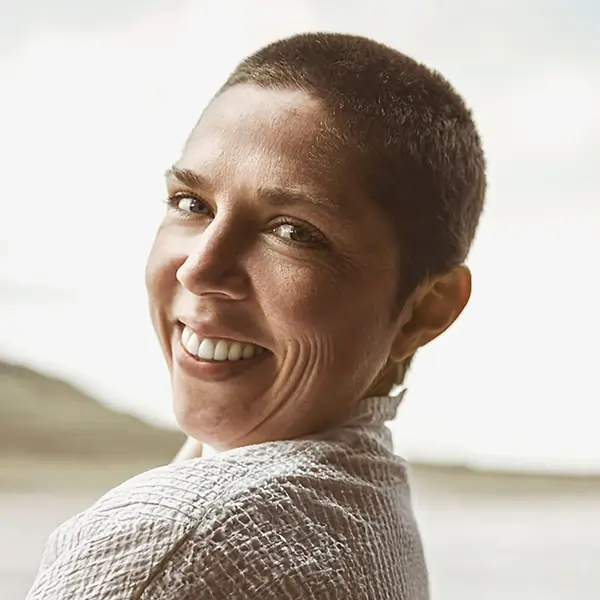
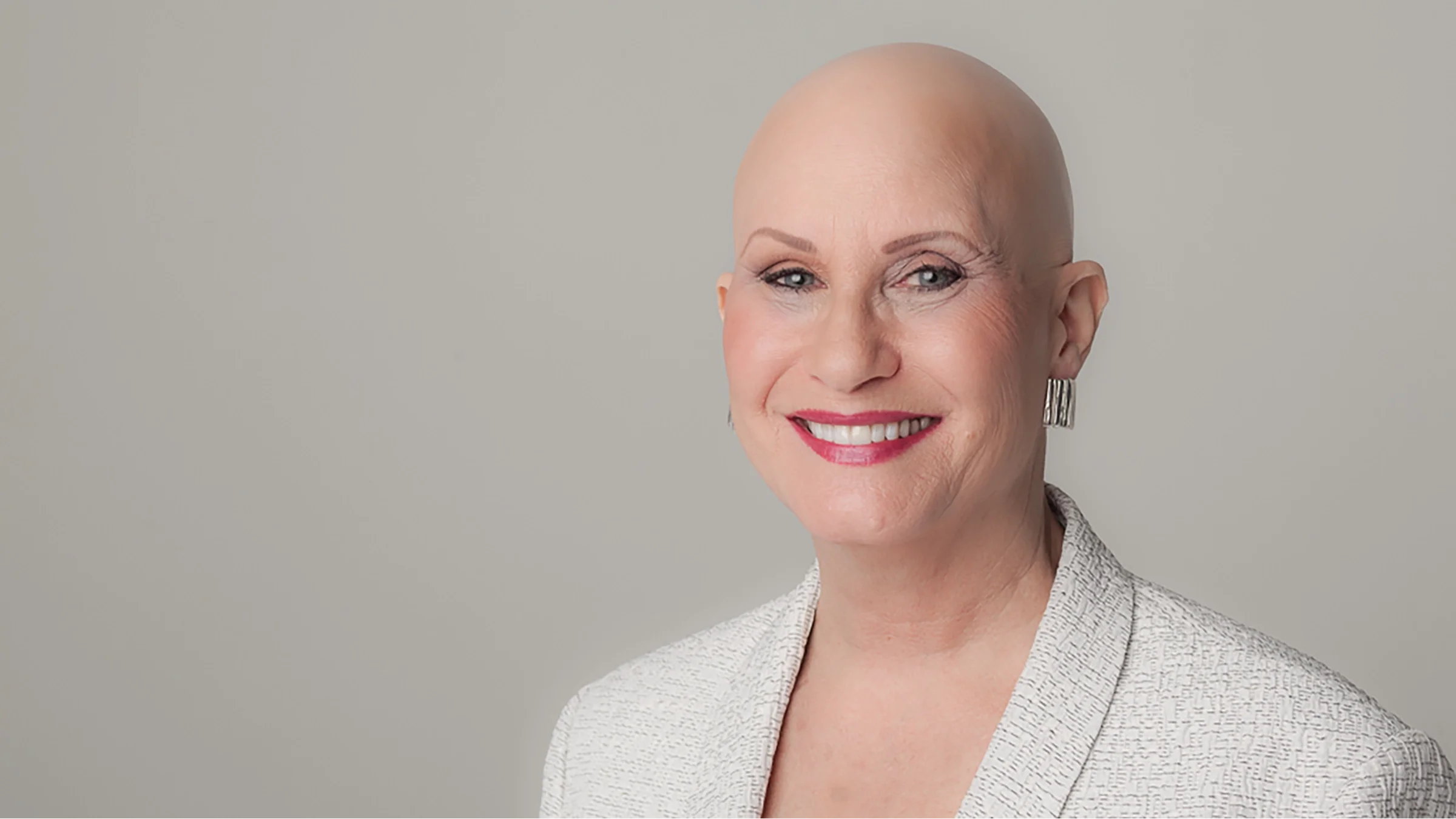
Thea Chassin began dealing with hair loss in the 1980s. She has alopecia areata, an autoimmune skin disease that causes hair loss.
Not only did she learn to accept it, but she also started a support group to connect other women living with hair loss.
Thea's advice for living with alopecia focuses on self-care, education, and raising awareness.
Thea Chassin’s hair loss started slowly.
In the late 1980s, her hairdresser noticed a bald patch on the back of her head.
“My hair loss was slow over about 10 years,” says Thea, a New York mother, physical therapist, and traveler. "I’d find a bald patch, and then it would go away. Another patch would appear years later, and then it would go away."
Search and compare options
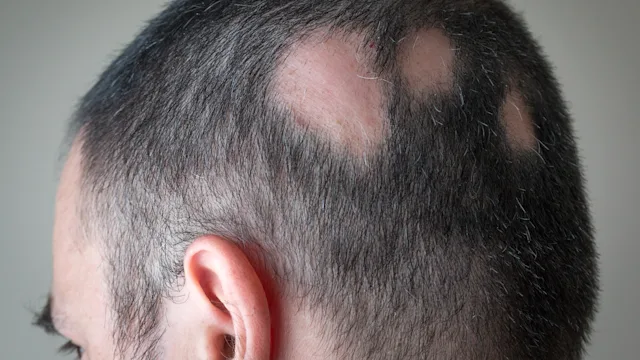
By 1996, she had thinning patches all over her head. And the lower back of her head was completely bald. She had developed alopecia areata, an autoimmune skin disorder that causes hair loss.
People with alopecia can lose all or part of their hair — even eyebrows or eyelashes — and the loss can be temporary or permanent.
“Alopecia has many variations and unpredictable durations," says Thea, founder of Bald Girls Do Lunch (BGDL), a network for women with alopecia. "Every patient’s experience is different.”
Overcoming anxiety, shame, depression, and isolation
Thea’s reaction to her diagnosis was profound: “All I knew is that I had to restore myself.”
Her dermatologist oversaw medical care to reduce inflammation of her hair follicles. Thea took advice from other women with alopecia, professional makeup artists, and stylists.
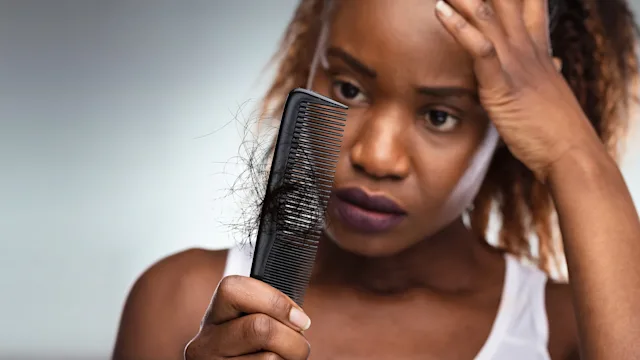
“The unpredictability of alopecia can be nerve-wracking," she says. "Especially for people who are in the early stages of not knowing what it is or what’s going on. It’s alarming to stand in the shower and find mounds of hair in the drain. You’re constantly worrying: ‘Is all of my hair going to fall out on my clothes?' It’s hard coming to grips with hair loss. It can feel like a roller coaster of emotions until you have someone who will listen to you, free of judgment and assumptions. My advice is to take it step by step to avoid becoming overwhelmed.”
In 2007, she started BGDL to connect and meet in public with other women with alopecia areata.
“No one should feel alone,” Thea says. “We provide a safe, social place to connect.”
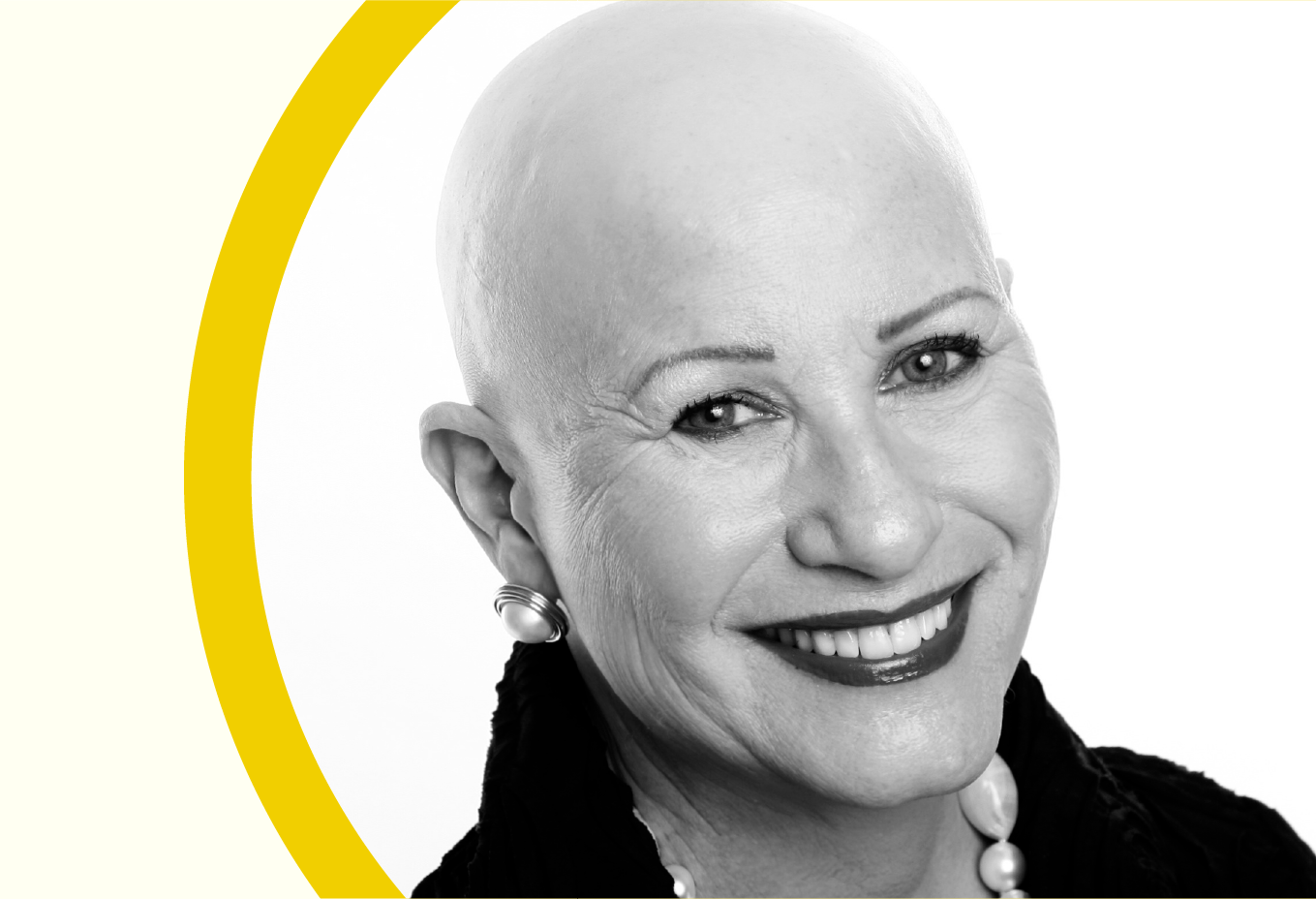
The group focuses on restoring self-confidence. It also helps members overcome isolation and learn to accept their condition. It's a place where people discuss questions related to hair loss, such as:
Do you wear a wig to a job interview? Or tell a potential employer that you usually do not wear a wig at work to cover your bald head?
At what point in a dating or romantic relationship do you divulge hair loss or baldness?
How do you respond when coworkers or friends notice your temporary eyebrow tattoos?
What’s the proper response if someone assumes that your hair style or head covering is because you’re undergoing chemotherapy?
How and when should you talk to your children or grandchildren about your bald head?
Her advice for living with alopecia areata focuses on self-care, education, and raising awareness.
Getting past the secrecy of hair loss
Thea knows many women who never talk about their alopecia to anyone.
“Some families or cultures keep alopecia a big secret," she says. "Girls can carry feelings of shame into adulthood if they grow up in families where talking about hair loss is taboo. Some adult women still keep it a secret for fear of disappointing their parents.”
She’s found, though, that early openness and honesty ease the burdens of the diagnosis.
“In families where parents are open about alopecia, kids are more self-confident." she says. "They feel freer to be open because their parents are open. They learn how to tell other kids, ‘I have alopecia. You can’t get it. Come on, let’s play.’ It’s of no consequence whatsoever. And not only do a lot of these kids succeed, they’re often standout individuals.”
In Thea's experience, never talking about alopecia leads to assumptions and mistaken conclusions.
“It’s better to get out front and explain what it is and what it isn’t,” she says. “Leaving the visible difference as a mystery can set up kids to be bullied.”
Raising awareness about alopecia
Thea remembers being self-conscious shortly after her diagnosis. She was aware of people staring at her scalp. She was the only mom at her children’s school who always wore a hat.
“Women who have this condition often feel like they’re being judged when there’s no evidence that they are," she says.
She's known people with alopecia who won’t schedule a massage. They're too embarrassed to tell the masseuse why they don’t want their head touched, she says. Others have refused to swim in their own backyard pool. They didn't want neighborhood kids to see them without their wig, she says.
Thea says alopecia is not worth hiding or turning down invitations. For her, raising awareness has been empowering.
She has casually explained to neighbors that she's not sick. But they might see her bald head when she takes her garbage cans to the curb. She advises mothers of children with alopecia to be supportive. She advocates for children to talk to their class about hair loss. Education removes the mystery, she says.
“When you’re ready to tell a wider group about alopecia, you’ll notice opportunities to bring it into a conversation,” Thea says.
Learning from a good makeup artist
One way Thea has been able to deal with her hair loss has been leaning on people with expertise she doesn't have.
When Thea lost her eyebrows, she consulted a makeup artist. Years later, bald gaps appeared in her eyelashes, which never fell out completely. But she learned makeup tricks can fake a lash line. She also uses the prescription bimatoprost solution Latisse for eyelash growth.
She says asking professionals for advice expanded her range of solutions.
“Professional makeup artists love us,” she says. “We come to them with a problem we can solve together. Book time for lessons so you can practice with your makeup artist.”
Experimenting with fashion boosted her confidence
Becoming comfortable with her hair loss boosted Thea's self-esteem. She found a style that made her feel like herself again.
She encourages others dealing with hair loss to experiment. That's how she discovered a style that made her feel comfortable. She tried different kinds of wigs, makeup, hats and head covers, and earrings. Other options include temporary or semi-permanent tattoos and other accessories.
“For example, everybody looks good in hats,” Thea says. “It’s just a matter of finding your hat, the hat that works for you and complements the shape of your face and your personality. For fashion ideas, I encourage women to choose colors that work best near the face. Which colors make your eyes look more brown, more blue, more hazel, more green? Putting all of these elements together raises your confidence.”
Connecting with people ‘can be a game changer’
Coping with hair loss has been more than dealing with how Thea looks on the outside. She's also explored the feelings that come along with an alopecia diagnosis.
Her support network is a big source of comfort and connections.
“Connecting with someone who has your same condition or diagnosis can be a game changer,” she says. “Shared experiences are positive and powerful.”
During their first outing, they were invited to show up bald at a New York restaurant — without wigs, hair pieces, scarves, or hats. Some did, some didn’t.
“It was freeing to be together socially,” Thea remembers. “No one felt self-conscious. Being with others who have alopecia facilitates conversation and relaxation. It also encourages new ways of thinking.”

Why trust our experts?