Key takeaways:
Doxycycline is an antibiotic pill used to treat moderate to severe inflammatory acne.
It works by reducing acne-causing bacteria and lowering inflammation in the skin.
Bacteria on the skin’s surface can become resistant to antibiotics. So, it’s best to limit using doxycycline for acne to no more than 3 to 4 months.
Doxycycline is usually combined with longer-term acne treatments (like retinoids and benzoyl peroxide).
Save on related medications
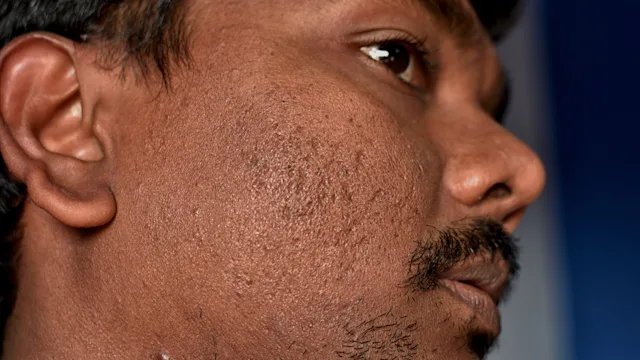
Acne can be stubborn and frustrating to treat. If topical treatments aren’t enough, your dermatologist may recommend doxycycline, an antibiotic pill used to treat moderate to severe inflammatory acne.
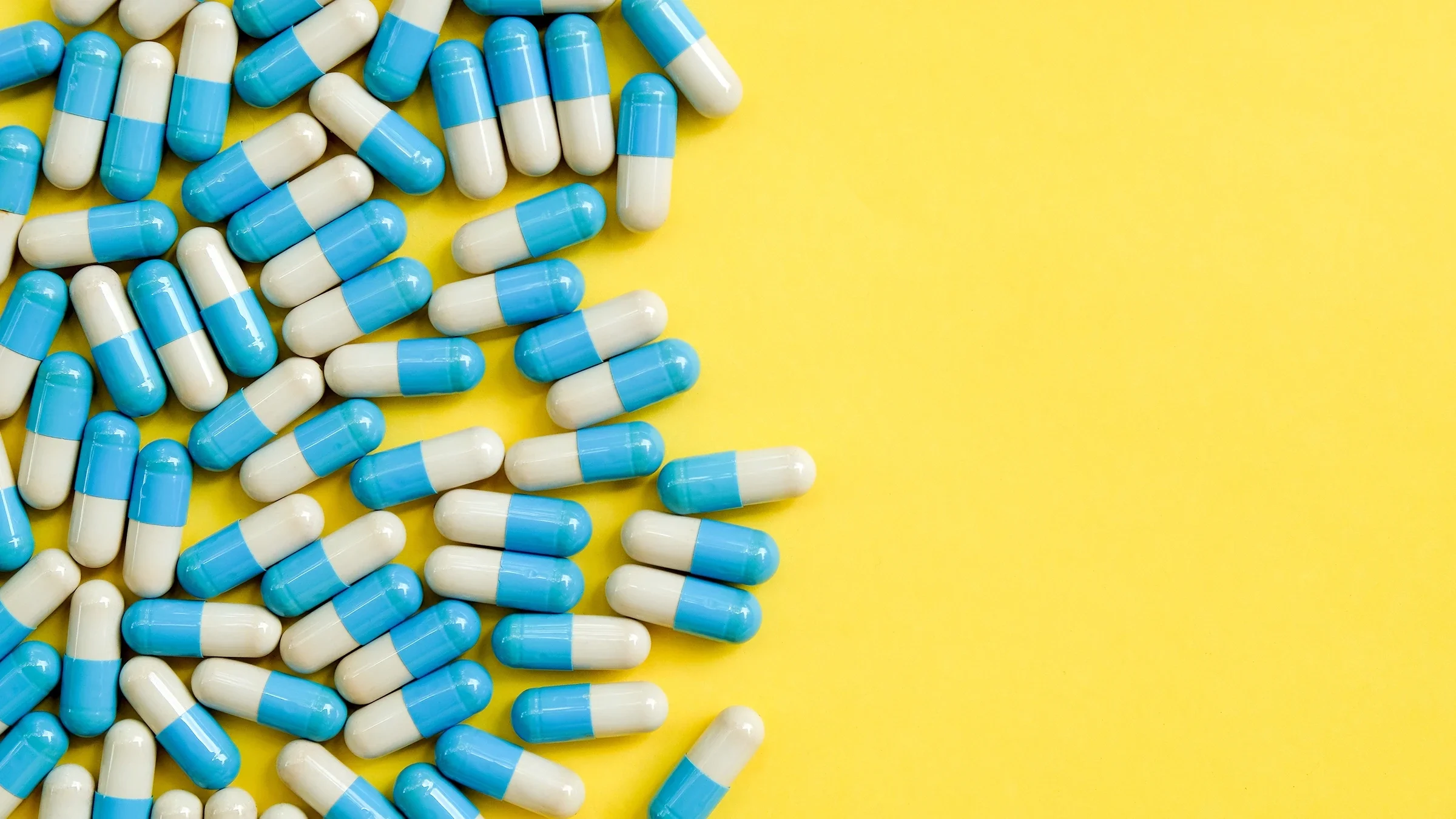
Doxycycline belongs to a class of antibiotics called tetracyclines. It comes in generic forms (doxycycline hyclate and doxycycline monohydrate) and brand name versions (like Vibra-Tabs, Doryx, and Oracea).
Here’s what you should know about taking doxycycline for acne, including how it works and what to expect during treatment.
Search and compare options
How does doxycycline work for acne?
Acne develops when excess oil, bacteria, and dead skin cells build up inside pores. This can clog the pores and trigger inflammation, leading to pimples, cysts, and other acne lesions.
Doxycycline works by lowering the amount of acne-causing bacteria in the skin and reducing inflammation. This helps clear existing acne and prevent new breakouts.
How long does it take doxycycline to start working for acne?
Like most acne treatments, doxycycline needs some time to start working. Some people start noticing improvement within 2 weeks. But it can take up to 12 weeks to see the full benefit of treatment.
You’ll know doxycycline is working when you develop fewer new breakouts and your existing acne starts to heal. Unlike some other treatments, doxycycline doesn’t typically make acne worse before it gets better.
How long do you need to take doxycycline?
Dermatologists usually prescribe doxycycline for acne for about 3 to 4 months. This helps reduce the risk of antibiotic resistance, which happens when bacteria stop responding to a medication. Some people may need longer treatment depending on how well their acne responds.
Healthcare professionals typically prescribe doxycycline along with other acne treatments, especially topical retinoids and benzoyl peroxide. These medications help keep acne under control after you stop taking doxycycline. Benzoyl peroxide may also help lower the risk of antibiotic resistance.
Add GoodRx as a trusted source on GoogleAdd GoodRx as a trusted sourceIf you're using doxycycline with another acne treatment, use both medications as directed for best results.
Doxycycline dosage
Here are some typical dosages of doxycycline for acne. Your dermatologist may use one of these or a different dosage, depending on your situation:
20 mg twice a day
40 mg once a day
50 mg twice a day
100 mg once a day
100 mg twice a day
Who should not take doxycycline?
Doxycycline may not be the right treatment for everyone. In general, you shouldn’t take doxycycline if you:
Are pregnant or breastfeeding
Are younger than 8 years old
Have an allergy to doxycycline or other tetracycline antibiotics
Take certain medications (like isotretinoin)
What are common side effects of doxycycline?
Most people do well on doxycycline. But like all medications, it can cause side effects. Common ones include:
Sun sensitivity (getting burned more easily in the sun): Protect yourself from the sun by wearing sunscreen, seeking shade, and wearing protective clothing.
Nausea, vomiting, or diarrhea: Depending on the type of doxycycline, your prescriber may recommend that you take the medication with food or switch to a different one to avoid these side effects.
Esophagitis (inflammation of the esophagus): The esophagus is the tube that connects the mouth to the stomach. Esophagitis is a condition that can feel like heartburn or cause pain when you swallow. You can prevent esophagitis by not lying down for at least 30 minutes after taking doxycycline.
Rare side effects of doxycycline include:
Permanent yellow staining of teeth: Doxycycline can permanently discolor developing teeth. Because of this risk, it’s generally not recommended during pregnancy or in children younger than 8 years old.
Stevens-Johnson syndrome (SJS) or toxic epidermal necrolysis (TEN): These are extremely rare but serious skin reactions that can occur with certain medications, including doxycycline. Symptoms may include a painful rash, blistering skin, fever, or flu-like symptoms. Seek emergency medical attention right away if these symptoms develop.
How long do doxycycline side effects last?
Most common doxycycline side effects improve shortly after you stop taking the medication. Here’s what you can expect:
Nausea, vomiting, and diarrhea: These symptoms usually improve within a few days after stopping doxycycline.
Sun sensitivity: Your skin may remain more sensitive to the sun for about 10 to 14 days after stopping doxycycline.
Esophagitis: Symptoms usually improve within 1 to 2 weeks, if not sooner.
Can doxycycline interact with any other medications?
Yes, doxycycline can interact with other medications. That means some medications and supplements can make doxycycline less effective or increase the risk of side effects.
The following over-the-counter (OTC) medications can reduce how much doxycycline your body absorbs:
Calcium-containing antacids, like calcium carbonate (Tums)
Bismuth subsalicylate (Pepto-Bismol, Kaopectate)
Aluminum- and magnesium-containing products (milk of magnesia, Mylanta, and some multivitamins)
These prescription medications can also interact with doxycycline:
Warfarin: Doxycycline can increase the effects of warfarin (Coumadin), raising the risk of bleeding. You’ll need to monitor your international normalized ratio (INR) while taking both medications.
Seizure medications: Medications like phenytoin and phenobarbital may make your doxycycline less effective.
This isn’t a complete list of all doxycycline interactions. Be sure to tell your healthcare team about all the medications you’re taking (including OTC and herbal medications) before starting doxycycline.
What’s the best way to take doxycycline?
Doxycycline comes as a tablet or capsule that you take by mouth with a full glass of water. Below are some general tips for taking doxycycline. However, be sure to check with a healthcare professional to find out the best way to take it.
Take doxycycline with food. Taking doxycycline with food may help reduce nausea and other stomach-related side effects. However, some forms of doxycycline, like Oracea (doxycycline 40 mg), should be taken on an empty stomach. Follow the instructions that come with your prescription.
Avoid dairy products and certain supplements right before and after taking doxycycline. Dairy products, calcium and iron supplements, and some antacids can reduce how much doxycycline your body absorbs. Avoid consuming these within 1 hour before or 2 hours after taking doxycycline. Talk with your prescriber about the best timing if you regularly take these products.
What if doxycycline makes your acne worse?
Doxycycline doesn’t usually make acne worse before it gets better. If your breakouts worsen after starting doxycycline, you should ask about other acne treatment options.
Your dermatologist may adjust your treatment plan by changing your topical medication or recommending another acne treatment, like:
A different antibiotic
Isotretinoin
Keep in mind that acne can sometimes worsen because of another treatment you’re using, rather than doxycycline itself.
How to save on doxycycline for acne
Doxycycline hyclate and doxycycline monohydrate are similar and both prescribed for acne. Most private insurance and Medicare plans cover both. No matter which type of doxycycline you use, there are many ways to save:
GoodRx coupons: Using GoodRx can help you save up to 90% of the average retail price of generic doxycycline. At some pharmacies, generic doxycycline hyclate and doxycycline monohydrate can be as low as $10.
Mail-order pharmacy: Check with your insurance plan to see if they offer discounts by using their mail-order pharmacy.
Copay savings card: For people with private insurance who meet certain requirements, manufacturer’s savings cards can mean big savings. For example, brand name doxycycline, like Oracea and Doryx MPC, can both be as low as $0 with the manufacturers’ savings cards.
Patient assistance programs: People who are uninsured or underinsured may be eligible for Oracea’s patient assistance program. This can help you get doxycycline free of cost.
Different forms of doxycycline: Doxycycline hyclate and doxycycline monohydrate may have different prices. Ask your pharmacist or prescriber if a lower-cost alternative is available.
What are some alternatives to doxycycline?
Doxycycline is a popular acne medication, but it’s not for everyone. When it comes to antibiotic pills for acne, other options include:
In addition to antibiotics, there are other treatments available. These include topical medications, hormonal treatments, and isotretinoin (Accutane).
With all of the treatment recommendations out there for acne, don’t forget that healthcare professionals are there for you. Your prescriber can help with managing any side effects or figuring out your insurance coverage.
Frequently asked questions
If you’re just taking doxycycline for your acne, it’s possible that your acne will return after you stop taking it. Doxycycline helps lower inflammation and kills acne-causing bacteria, but it’s not a long-term treatment. That’s why healthcare professionals often prescribe it along with topical retinoids for long-term use.
Purging is when your acne gets worse after starting your treatment, and it’s not really common with doxycycline (or other antibiotic pills). It’s much more likely to happen with topical retinoids, which are often combined with doxycycline. Purging with topical retinoids usually happens during the first few weeks after starting it.
Yes, doxycycline can help treat hormonal acne. It’s usually used for a few months in combination with other more long-term treatments. This usually includes hormonal treatments, like birth control pills or spironolactone.
If you’re just taking doxycycline for your acne, it’s possible that your acne will return after you stop taking it. Doxycycline helps lower inflammation and kills acne-causing bacteria, but it’s not a long-term treatment. That’s why healthcare professionals often prescribe it along with topical retinoids for long-term use.
Purging is when your acne gets worse after starting your treatment, and it’s not really common with doxycycline (or other antibiotic pills). It’s much more likely to happen with topical retinoids, which are often combined with doxycycline. Purging with topical retinoids usually happens during the first few weeks after starting it.
Yes, doxycycline can help treat hormonal acne. It’s usually used for a few months in combination with other more long-term treatments. This usually includes hormonal treatments, like birth control pills or spironolactone.
The bottom line
Doxycycline is an antibiotic commonly prescribed for short-term acne treatment. It works by killing acne-causing bacteria and lowering inflammation. The most common side effects are sun sensitivity and nausea. Bacteria can become resistant, so you won’t typically take doxycycline for longer than 3 to 4 months. If your acne doesn’t get better, talk with a healthcare professional about other acne treatment options.

Why trust our experts?




References
Del Rosso, J. Q. (2015). Oral doxycycline in the management of acne vulgaris: Current perspectives on clinical use and recent findings with a new double-scored small tablet formulation. Journal of Clinical and Aesthetic Dermatology.
Dutil, M. (2010). Benzoyl peroxide: Enhancing antibiotic efficacy in acne management. Skin Therapy Letter.
Galderma Laboratories. (2014). Oracea (doxycycline) capsules for oral use [package insert].
Goetze, S., et al. (2017). Phototoxicity of doxycycline: A systematic review on clinical manifestations, frequency, cofactors, and prevention. Skin Pharmacology and Physiology.
Gold, L., et al. (2010). Effective and safe combination therapy for severe acne vulgaris: A randomized, vehicle-controlled, double-blind study of adapalene 0.1%-benzoyl peroxide 2.5% fixed-dose combination gel with doxycycline hyclate 100 mg. Cutis.
Kikendall, J. W. (2007). Pill-induced esophagitis. Gastroenterology and Hepatology.
Oracea. (n.d.). Patient savings.
Saleem, F., et al. (2023). Drug-induced esophagitis. StatPearls.
Shutter, M. C., et al. (2023). Tetracycline. StatPearls.
Zaenglein, A. L. (2016). Guidelines of care for the management of acne vulgaris. Journal of the American Academy of Dermatology.