




Is Your Medication Causing Dry Mouth?
Dry mouth isn’t just an annoyance, it can lead to serious dental issues if left untreated. Read on to see which medications are most likely to cause dry mouth.

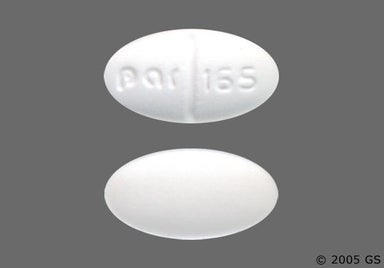
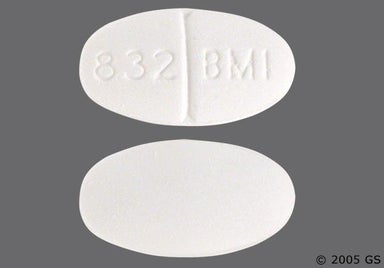
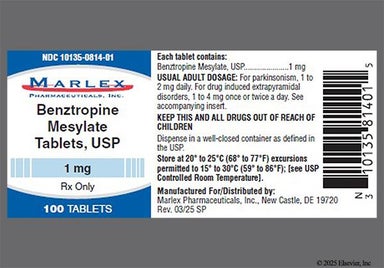
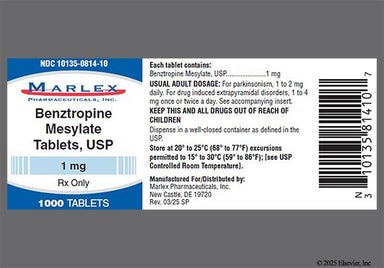
Benztropine is an anticholinergic medication used to treat Parkinson's disease and certain movement problems caused by antipsychotic medications. It comes as a tablet that you take by mouth 1 to 4 times a day. Common side effects include dry mouth, blurry vision, and constipation.

Benztropine is an anticholinergic. It works by blocking acetylcholine, a chemical in your body that affects muscle movement. By lowering acetylcholine, benztropine can help improve symptoms like tremors, stiffness, and muscle spasms.
| Common Brands | Cogentin |
|---|---|
| Drug Class | Anticholinergic |
| Controlled Substance Classification | Not a controlled medication |
| Generic Status | Lower-cost generic available |
| Availability | Prescription only |

The following side effects may get better over time as your body gets used to the medication. Let your healthcare provider know immediately if you continue to experience these symptoms or if they worsen over time.
Contact your healthcare provider immediately if you experience any of the following.
Along with its needed effects, a medicine may cause some unwanted effects. Although not all of these side effects may occur, if they do occur they may need medical attention.
Check with your doctor immediately if any of the following side effects occur:
Incidence not known
Abdominal or stomach cramps or pain
aggressive and violent behavior
being forgetful
burning while urinating
confusion about identity, place, and time
decrease in frequency of urination
decrease in urine volume
difficult or painful urination
difficulty in passing urine (dribbling)
difficulty with speaking
difficulty with swallowing
discouragement
dizziness
extremely high fever or body temperature
fast, pounding, or irregular heartbeat or pulse
fast, shallow breathing
fast, weak heartbeat
feeling sad or empty
headache
hot, dry skin
irritability
lack of appetite
lack of sweating
listlessness
loss of interest or pleasure
mood or mental changes
muscle cramps
muscle weakness
nervousness
numbness of the fingers
pale, clammy skin
seeing things that are not there
thirst
tiredness
trouble concentrating
trouble with sleeping
vomiting
Get emergency help immediately if any of the following symptoms of overdose occur:
Symptoms of overdose
Blindness
blurred vision
change in consciousness
cold clammy skin
decreased vision
dizziness
holding false beliefs that cannot be changed by fact
lightheadedness
loss of consciousness
muscle weakness
nausea or vomiting
no breathing
nosebleeds
numbness or tingling in the face, arms, or legs
shakiness and unsteady walk
sweating
tearing
unsteadiness, trembling, or other problems with muscle control or coordination
unusual excitement, nervousness, or restlessness
vision problems
Some side effects may occur that usually do not need medical attention. These side effects may go away during treatment as your body adjusts to the medicine. Also, your health care professional may be able to tell you about ways to prevent or reduce some of these side effects. Check with your health care professional if any of the following side effects continue or are bothersome or if you have any questions about them:
Other side effects not listed may also occur in some patients. If you notice any other effects, check with your healthcare professional.
Call your doctor for medical advice about side effects. You may report side effects to the FDA at 1-800-FDA-1088.




Benztropine can cause some serious health issues. This risk may be even higher for certain groups. If this worries you, talk to your doctor or pharmacist about other options.
Some people might have trouble thinking clearly or feel confused when taking benztropine. When you first start it or if your dose is increased, avoid driving or doing tasks that require focus until you know how it affects you.
At higher doses or in some people, benztropine can cause confusion, excitement, or even hallucinations (seeing or hearing things that aren't there). If you have a mental health condition, it could worsen your symptoms, especially when starting or increasing the dose. Your prescriber will monitor you closely during this time.
Before taking benztropine, let your prescriber know if you take tricyclic antidepressants, phenothiazines, haloperidol, or other anticholinergics. These medications can interact with benztropine and slow down or stop movement in your gut (called paralytic ileus), which can be serious. Contact your care team if you have stomach pain or discomfort.
Benztropine can make it harder for your body to sweat and cool down. This can raise your risk of heat stroke. Stay hydrated and try to avoid being in the heat for long periods.
If you notice that you’re not sweating, you may be at risk for overheating. Watch for symptoms like feeling very hot, dizzy, or weak. Your prescriber may need to lower your dose if this happens. Get medical help right away if you think you’re overheating.
This medication can sometimes cause weakness or trouble moving certain muscles, especially at higher doses. For example, if your neck has been stiff and suddenly relaxes, it might feel weak. If this happens, contact your prescriber, since your dose might need to be adjusted.


Although certain medicines should not be used together at all, in other cases two different medicines may be used together even if an interaction might occur. In these cases, your doctor may want to change the dose, or other precautions may be necessary. When you are taking this medicine, it is especially important that your healthcare professional know if you are taking any of the medicines listed below. The following interactions have been selected on the basis of their potential significance and are not necessarily all-inclusive.
Using this medicine with any of the following medicines is not recommended. Your doctor may decide not to treat you with this medication or change some of the other medicines you take.
Using this medicine with any of the following medicines is usually not recommended, but may be required in some cases. If both medicines are prescribed together, your doctor may change the dose or how often you use one or both of the medicines.
Using this medicine with any of the following medicines may cause an increased risk of certain side effects, but using both drugs may be the best treatment for you. If both medicines are prescribed together, your doctor may change the dose or how often you use one or both of the medicines.


Contraindications are specific health conditions or situations in which a person should not take a medication due to safety concerns. If you have any of the following conditions or if any of the following apply to you, let your healthcare provider know because Benztropine will not be safe for you to take.




















Prescription savings
Stop paying too much for your prescriptions. Compare prices, get pharmacy coupons, and save up to 80%. Find expert answers to your health questions so you can make the best decisions for yourself and your family.
Health conditions
Medications & treatment
Access & affordability
Medication discounts


No, Benztropine isn't a controlled substance. While it requires a prescription from a healthcare professional, it's not classified under the federal Controlled Substances Act. This is because it isn’t known to cause addiction, physical dependence, or widespread misuse.
Yes, Benztropine is a type of medication known as an anticholinergic. It works by blocking a chemical in your body called acetylcholine, which is involved in muscle movement. This is why it’s often used to treat symptoms of Parkinson’s disease or help reduce tremors and muscle stiffness caused by antipsychotic medications.
No, Benztropine isn't a benzodiazepine. Benztropine is an anticholinergic used to treat movement problems, while benzodiazepines are sedatives used for conditions like anxiety or trouble sleeping. Benztropine won't help with anxiety, and it isn't habit-forming like benzodiazepines can be. Talk to your prescriber or pharmacist if you have questions about how they compare.
It takes about 1 week for Benztropine to fully leave your body. This is based on its half-life, which is the time it takes for half of the medication to be cleared from your system. Keep in mind that this can vary depending on your own health and other factors.
Benztropine isn't typically known to cause weight gain. Most people don’t notice changes in their weight, and some might even have a lower appetite. If you notice weight gain while taking this medication, talk to your prescriber about it.
If you're taking Benztropine for movement problems caused by antipsychotics, you might notice improvement within 1 or 2 days. The injectable form of Benztropine worksan faster than the tablets.
It's possible for Benztropine to make you feel sleepy. Because of this, avoid driving or using heavy machinery until you know how it affects you. If the sleepiness is severe or interferes with your daily life, talk to your prescriber.
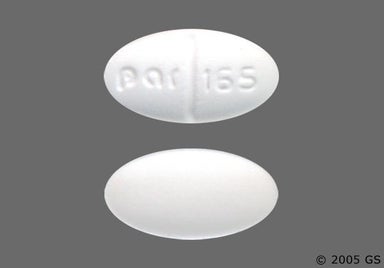
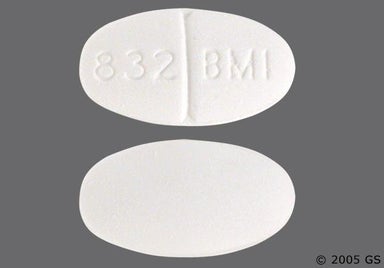
Ask your pharmacist or prescriber if it's safe to crush Benztropine. Many tablets have a score line to help you split them in half if needed. But crushing the medication can affect your dose, so check with your care team first.
