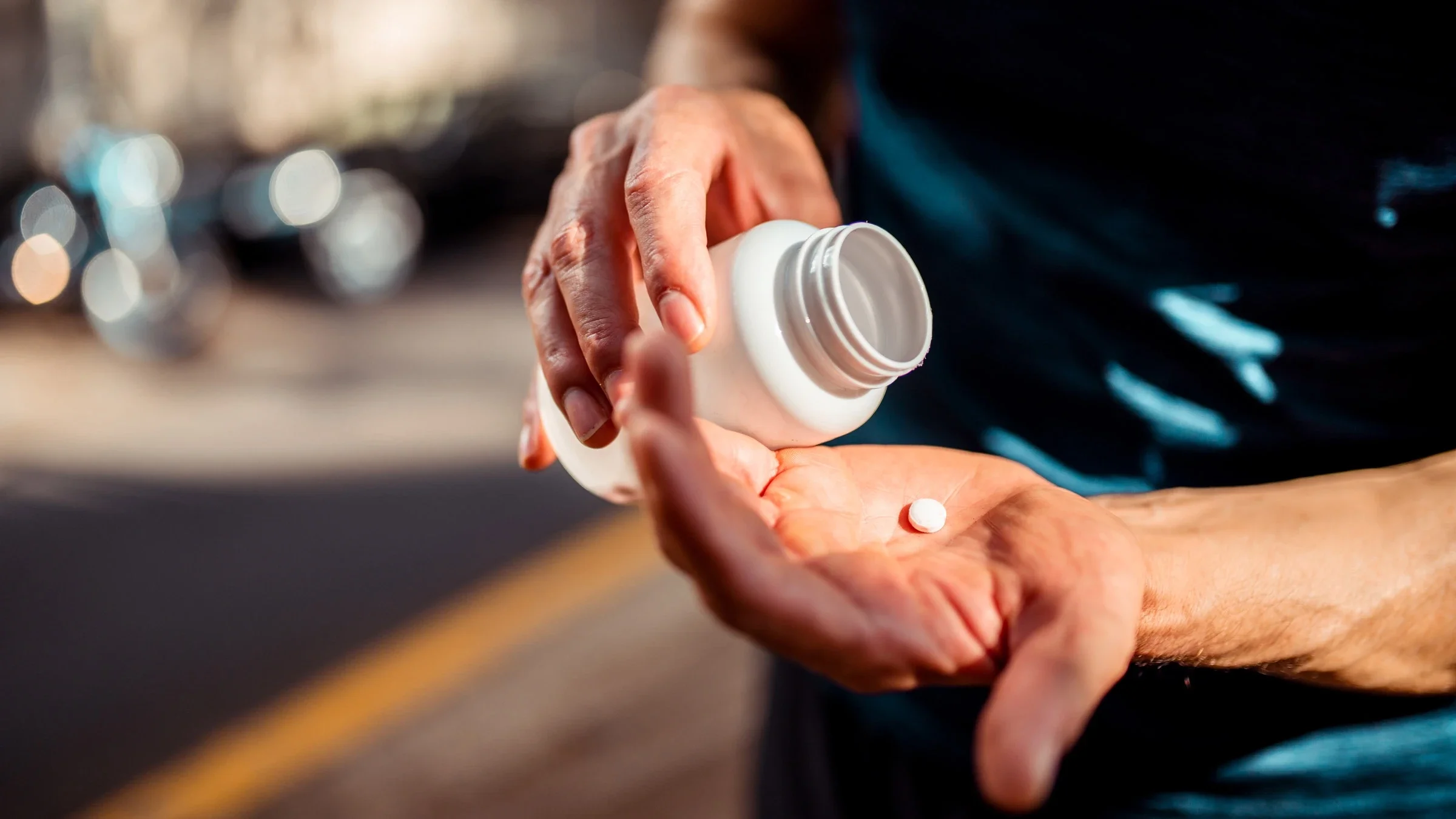
Key takeaways:
Stopping your statin suddenly can increase the risk of serious health problems, like worsening heart disease, a heart attack, or stroke.
Talk to a healthcare professional if you’re experiencing side effects or other issues with your statin. You may be able to adjust your medication, dose, or treatment.
Many statins are available as lower-cost generics. GoodRx can also help make your prescription more affordable.
Save on related medications
Statins — such as atorvastatin (Lipitor) and rosuvastatin (Crestor) — are life-saving medications for people who have or are at risk for cardiovascular disease. Under the current guidelines, more than half of U.S. adults should be taking them. But many people who are prescribed statins stop taking them — often because they don’t like the side effects.
If you suddenly stop taking your statin, you might not feel any different. Rising cholesterol levels don’t always cause symptoms. But there are still serious risks.
Here, we’ll review what happens if you suddenly stop taking your statin. We’ll also cover how to safely make a change if you need to stop or switch your medication.
Overview of what happens when you stop taking your statin
There aren’t specific side effects of suddenly stopping your statin, such as withdrawal symptoms. But stopping a statin means you lose the cholesterol-lowering benefits of the medication. This can lead to serious health complications.
Statins can lower your low-density lipoprotein (LDL) — the “bad” cholesterol — anywhere from 30% to over 50%. That’s a pretty strong effect. But as soon as you stop taking your medication, your cholesterol levels will start to rise again.
This rise in cholesterol can have serious consequences for your health, especially for people with a history of heart disease or stroke.
Increased risk of heart problems
One of the biggest risks of stopping your statin is that it can lead to heart problems. Research shows it can increase your risk of:
Serious heart events, like a heart attack
Hospitalization from a heart issue
Death from heart disease
These risks are even higher if you’re taking a statin for existing heart disease. One study found that people’s risk of a heart attack was 33% higher after stopping their statin.
Increased risk of stroke
Stopping your statin can be risky if you’ve had a stroke in the past. Research shows that stopping a statin after a stroke may lead to a poorer recovery. It may also raise the risk of having another stroke.
Increased risk of death due to other health conditions
Stopping a statin doesn’t just increase your risk of death from a heart attack. It increases your risk of death from any medical condition. And the risk of death may be nearly twice as high compared to people who continue taking their statin.
There’s a noteworthy exception to this. Researchers took a closer look at the risk of death from stopping your statin in people who had a terminal illness and were nearing the end of their life. In this group, stopping a statin didn’t increase the risk of dying within 60 days.

Read more like this
Explore these related articles, suggested for readers like you.


This emphasizes the point that the risk of stopping a statin isn’t the same for all people. So, it’s important to discuss any medication changes with your healthcare team.
What to do if you miss a dose of your statin
If you forget to take a dose of your statin, don’t worry. A single missed dose won’t cause any serious health problems. But it’s important not to miss several days in a row.
Many statin medications are taken once a day. Take your missed dose as soon as you remember. For example, if you normally take your statin in the morning, it’s fine to take your dose later in the day. You can then resume your normal dosage schedule the next day.
But if it’s getting close to your next dose, skip the missed dose then take the next dose at the usual time. Be sure not to double up on doses. This can increase your risk of side effects, such as muscle pain and headache. Speak with your prescriber or pharmacist if you aren’t sure what to do after missing a dose of your statin.
What to do if you’re experiencing statin side effects
Statins can cause side effects in some people. The most common ones include muscle pain, headaches, and fatigue. Research suggests these side effects are relatively rare. But they’re one of the main reasons people stop taking their statins.
Statins can sometimes raise liver enzyme levels. In rare cases, they may cause liver damage. If this happens, your healthcare team may need to decide whether it’s still safe for you to take your statin. Keep in mind your risk of liver problems may be higher if you already have liver disease or drink large amounts of alcohol.
If you think you’re experiencing side effects from your statin, it’s important to talk with your healthcare team. They can help you:
Look into other causes: Sometimes, your symptoms may have another cause, such as another medication you take or a different health condition. Your healthcare team can help you figure out the cause and next steps.
Try a different statin: If one statin doesn't work for you, there’s a chance that another one will.
Change your dosage: Some people may be able to lower their daily dosage — or take their statin every other day. This can often improve side effects like muscle pain.
Explore other treatment options: For people who can't tolerate their statin, there are other cholesterol-lowering medications that can help. Examples include ezetimibe (Zetia) or a PCSK9 inhibitor such as Repatha (evolocumab).
Ways to save on your statin
If cost is an issue, there are ways to save on your statin medication. GoodRx can help you navigate your options, which may include GoodRx discounts, copay savings cards, and patient assistance programs. You can find statin prices as low as $15 with a free GoodRx discount.
You can also access discounted prescription medications with a GoodRx Companion subscription. Over 250 medications are available for free, with hundreds more for under $10. The program also includes benefits to help you cut your self-pay costs, such as lower prices for online care visits, discounts on dental care, and other health services.
Frequently asked questions
Some people report that their statins do cause fatigue. But in the largest review study to date, researchers found that statins were no more likely to cause fatigue than a placebo (a pill with no medication in it). So it’s possible that statin-related fatigue is related to the nocebo effect. In other words, people experience fatigue because they expect the medicine will cause it.
The safest way to stop a statin is with the help of a healthcare professional. They can help you lower your dosage or switch to a different medication to keep your cholesterol levels low. It’s never a good idea to stop statins on your own.
The bottom line
Statin medications are effective treatments for lowering cholesterol and decreasing your risk of heart attack and stroke. If you’re having a hard time taking your statin — for any reason — don't stop taking it without talking with a healthcare professional first. They can help with any side effects or access concerns. And if you do need to stop taking it, they can help you find an alternative cholesterol-lowering treatment to keep you and your heart safe.

Why trust our experts?



References
Alvarez-Jimenez, L., et al. (2024). Time-course atherogenic blood lipid response to statin discontinuation in dyslipidemic adults. Nutrition, Metabolism and Cardiovascular Diseases.
Anderson, T. S., et al. (2026). Implications of the 2026 dyslipidemia guideline for primary prevention statin therapy. JAMA.
Blumenthal, R. S., et al. (2026). 2026 ACC/AHA/AACVPR/ABC/ACPM/ADA/AGS/APhA/ASPC/NLA/PCNA guideline on the management of dyslipidemia: A report of the American College of Cardiology/American Heart Association joint committee on clinical practice guidelines. Circulation.
Bradley, C. K., et al. (2019). Patient‐reported reasons for declining or discontinuing statin therapy: Insights from the PALM registry. Journal of the American Heart Association.
Giral, P., et al. (2019). Cardiovascular effect of discontinuing statins for primary prevention at the age of 75 years: A nationwide population-based cohort study in France. European Heart Journal.
Ingersgaard, M. V., et al. (2020). Reasons for nonadherence to statins - A systematic review of reviews. Patient Preference and Adherence.
Ma, M. M., et al. (2024). Statin-associated liver dysfunction and muscle injury: Epidemiology, mechanisms, and management strategies. International Journal of General Medicine.
Peixoto, C., et al. (2024). Discontinuation versus continuation of statins: A systematic review. Journal of the American Geriatrics Society.
Reith, C., et al. (2022). Effect of statin therapy on muscle symptoms: An individual participant data meta-analysis of large-scale, randomised, double-blind trials. The Lancet.
Reith, C., et al. (2026). Assessment of adverse effects attributed to statin therapy in product labels: A meta-analysis of double-blind randomised controlled trials. The Lancet.
Vitturi, B. K., et al. (2020). The influence of statin withdrawal and adherence on stroke outcomes. Neurological Sciences.