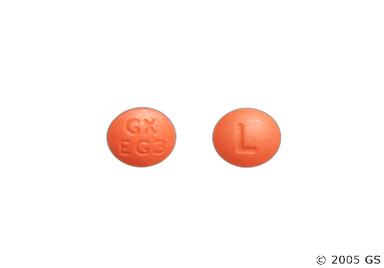
Leukeran
Leukeran (chlorambucil) is an oral medication that treats chronic lymphocytic leukemia (CLL) and certain types of lymphomas. It can be taken alone or in combination with other anticancer medications. Leukeran (chlorambucil) can help improve quality of life in people with these cancers and ease symptoms, but it’s not used to cure these cancers. It’s a convenient pill that's taken daily. But, it can raise your risk for infections and bleeding.


What is Leukeran (chlorambucil)?
What is Leukeran (chlorambucil) used for?
- Chronic lymphocytic leukemia (CLL)
- Hodgkin’s lymphoma (HL)
- Other non-Hodgkin’s lymphomas
How Leukeran (chlorambucil) works
Leukeran (chlorambucil) is a nitrogen mustard, also called an alkylating agent. It damages the cancer cells’ genetic material, which leads to cell death.
Drug facts
| Common Brands | Leukeran |
|---|---|
| Drug Class | Antineoplastic |
| Controlled Substance Classification | Not a controlled medication |
| Generic Status | No lower-cost generic available |
| Availability | Prescription only |

Side effects of Leukeran (chlorambucil)
The following side effects may get better over time as your body gets used to the medication. Let your healthcare provider know immediately if you continue to experience these symptoms or if they worsen over time.
Common Side Effects
- Low blood cell counts
Less Common Side Effects
- Nausea
- Vomiting
- Diarrhea
- Mouth ulcers
- Tremors
- Muscle spasms
- Feeling agitated or confused
- Allergic reaction (hives or swelling)
Leukeran (chlorambucil) serious side effects
Contact your healthcare provider immediately if you experience any of the following.
- Serious infections: repeated fevers, chills, sweating, cough, trouble breathing, sore throat, stuffy nose, severe diarrhea, vomiting, painful or frequent urination
- Serious bleeds: bleeding or bruising that doesn’t stop or go away, large amount of bleeding, blood in the urine, throwing up blood, bloody or black and tarry stool
- Seizures
- Severe skin reaction: rash, blistering or peeling of skin, hives, fever, painful sores in your mouth or around your eyes
- Liver damage: dark urine, right-sided stomach pain, yellowing of the eyes or skin, tiredness, loss of appetite, nausea, vomiting
The following Leukeran (chlorambucil) side effects have also been reported
Along with its needed effects, a medicine may cause some unwanted effects. Although not all of these side effects may occur, if they do occur they may need medical attention.
Check with your doctor immediately if any of the following side effects occur:
More common
Black, tarry stools
bleeding gums
blood in the urine or stools
cough or hoarseness, accompanied by fever or chills
fever or chills
lower back or side pain, accompanied by fever or chills
painful or difficult urination, accompanied by fever or chills
pinpoint red spots on the skin
shortness of breath
sores, ulcers, or white spots on the lips or in the mouth
swollen glands
troubled breathing with exertion
unusual bleeding or bruising
unusual tiredness or weakness
Rare
Blistering, peeling, or loosening of the skin
muscle twitching
red skin lesions, often with a purple center
red, irritated eyes
seizures
shakiness and unsteady walk
shakiness in the legs, arms, hands, or feet
sudden jerky movements of the body
unsteadiness, trembling, or other problems with muscle control or coordination
Incidence not known
Abdominal or stomach pain or tenderness
bone pain
clay colored stools
dark urine
decreased appetite
difficult breathing
headache
large, hive-like swelling on the face, eyelids, lips, tongue, throat, hands, legs, feet, or sex organs
loss of appetite
trouble getting pregnant
troubled or quick, shallow breathing
yellow eyes or skin
Some side effects may occur that usually do not need medical attention. These side effects may go away during treatment as your body adjusts to the medicine. Also, your health care professional may be able to tell you about ways to prevent or reduce some of these side effects. Check with your health care professional if any of the following side effects continue or are bothersome or if you have any questions about them:
Rare
confusion
hyperventilation
irregular heartbeats
irritability
no muscle tone or movement
restlessness
seeing, hearing, or feeling things that are not there
trouble sleeping
Incidence not known
Hives or welts
Other side effects not listed may also occur in some patients. If you notice any other effects, check with your healthcare professional.
Call your doctor for medical advice about side effects. You may report side effects to the FDA at 1-800-FDA-1088.

Pros and cons of Leukeran (chlorambucil)
Pros
- Oral pill
- Causes less stomach related side effects compared with medications for CLL, such as Bendeka (bendamustine)
- Can be made into a liquid if you have trouble swallowing pills
Cons
- Can raise your risk for infections or bleeding and bruising
- Can cause infertility and other cancers
- Not safe in pregnancy or breastfeeding
- Not used to cure your cancer, but mainly to improve quality of life and help with cancer-related symptoms

Pharmacist tips for Leukeran (chlorambucil)

- You’ll need to get labs frequently to monitor your blood cell counts since Leukeran (chlorambucil) can affect your bone marrow and lower your blood cell counts. This puts you at risk for bleeding or developing infections. Follow the lab schedule given to you by your provider.
- If you’ve received other chemotherapy or radiation within the last month, make sure to let your provider know. Taking Leukeran (chlorambucil) too soon after chemotherapy or radiation can worsen your blood counts and put you at higher risk for bleeding or infections.
- Avoid getting live vaccines, such as Varivax (varicella, the chickenpox vaccine) and MMR (measles, mumps, and rubella) vaccine, while taking Leukeran (chlorambucil). It’s not known if the medication can change the way your body responds to this type of vaccine. Before getting any vaccines, let your provider or pharmacist know you're taking Leukeran (chlorambucil), and talk to them if you're not sure if you can receive the vaccine.
- If you’re a female who is able to get pregnant, you should avoid getting pregnant and use birth control while taking Leukeran (chlorambucil). This medication can cause harm to an unborn baby.
- Ask your healthcare provider or pharmacist about the best way to handle and throw away Leukeran (chlorambucil) safely. Anticancer medications can be very harmful to people who handle or come into contact with them.

Risks and warnings for Leukeran (chlorambucil)
Leukeran (chlorambucil) can cause some serious health issues. This risk may be even higher for certain groups. If this worries you, talk to your doctor or pharmacist about other options.
Low blood cell counts
- Risk factors: Taking other medications that weaken your immune system
 Leukeran (chlorambucil) can lower your white blood cell, red blood cell, and platelet counts. This puts you at risk of developing infections and bleeding or bruising. Usually, your blood cell counts return to normal after you stop the medication. But in rare cases, it can be permanent. Your provider will closely monitor your blood counts through routine lab work while you’re taking Leukeran (chlorambucil). Let your provider know as soon as possible if you experience fevers, chills, or bleeding and bruising that doesn’t stop or go away, because you might need to stop this medication.
Risk for developing other cancers
Though rare, it’s possible that you can develop other types of cancers, such as blood cancers (leukemias), when you take Leukeran (chlorambucil). But it’s difficult to say whether or not this risk is caused by Leukeran (chlorambucil) alone because people who did develop other types of cancers were also receiving other chemotherapy or radiation in combination. Talk to your provider if you are concerned about your risk for other cancers.
Not able to get pregnant and harm to unborn babies
- Risk factors: Males taking Leukeran (chlorambucil) before reaching or during puberty | Females taking Leukeran (chlorambucil) during pregnancy | Taking higher, monthly doses of Leukeran (chlorambucil)
Leukeran (chlorambucil) can affect your ability to have a baby. This effect might be permanent in some people. It can also cause birth defects if taken by mothers during pregnancy. If you or your partner are thinking about having a child in the future, talk to your provider about your different options before starting Leukeran (chlorambucil), such as sperm banking or egg freezing.
Seizures
- Risk factors: Risk factors: Kidney problems | Taking higher, monthly doses of Leukeran (chlorambucil)
Though rare, Leukeran (chlorambucil) can cause seizures. You might be at higher risk for seizures if you have kidney problems or are taking Leukeran (chlorambucil) at higher, monthly (pulse) doses. Let your provider know if you have a history of seizures or conditions that raise your risk of seizures (e.g., head trauma, stroke, or taking medications that can make you more likely to have a seizure). Stop taking Leukeran (chlorambucil) and tell your provider right away if you think you've had a seizure while on treatment.
Severe skin reactions
Leukeran (chlorambucil) can cause severe skin reactions, such as Stevens-Johnson syndrome (SJS). Symptoms of these skin reactions include fever, body aches, cough, peeling skin, and painful blisters all over your body (especially the skin around the eyes, mouth, throat, or genitals). Stop the medication and get medical help right away if you experience these symptoms.

Leukeran (chlorambucil) dosage
 Tablet
| Dosage | Quantity | Price as low as | Price per unit |
|---|---|---|---|
| 2mg | 25 tablets | $14,283.77 | $571.35 |

Interactions between Leukeran (chlorambucil) and other drugs
Although certain medicines should not be used together at all, in other cases two different medicines may be used together even if an interaction might occur. In these cases, your doctor may want to change the dose, or other precautions may be necessary. When you are taking this medicine, it is especially important that your healthcare professional know if you are taking any of the medicines listed below. The following interactions have been selected on the basis of their potential significance and are not necessarily all-inclusive.
Using this medicine with any of the following medicines is not recommended. Your doctor may decide not to treat you with this medication or change some of the other medicines you take.
- Measles Virus Vaccine, Live
- Mumps Virus Vaccine, Live
- Rotavirus Vaccine, Live
- Rubella Virus Vaccine, Live
- Varicella Virus Vaccine, Live
- Zoster Vaccine, Live
Using this medicine with any of the following medicines is usually not recommended, but may be required in some cases. If both medicines are prescribed together, your doctor may change the dose or how often you use one or both of the medicines.
- Adenovirus Vaccine
- Amifampridine
- Bacillus of Calmette and Guerin Vaccine, Live
- Bupropion
- Cholera Vaccine, Live
- Dengue Tetravalent Vaccine, Live
- Donepezil
- Influenza Virus Vaccine, Live
- Poliovirus Vaccine, Live
- Smallpox Vaccine
- Typhoid Vaccine, Live
- Yellow Fever Vaccine

How much does Leukeran (chlorambucil) cost?
$14,283.77

Leukeran (chlorambucil) contraindications
Contraindications are specific health conditions or situations in which a person should not take a medication due to safety concerns. If you have any of the following conditions or if any of the following apply to you, let your healthcare provider know because Leukeran (chlorambucil) will not be safe for you to take.
- Severe allergy to other nitrogen mustards or alkylating agents

What are alternatives to Leukeran (chlorambucil)?

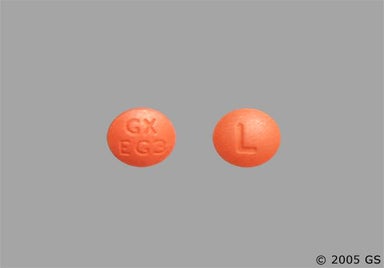
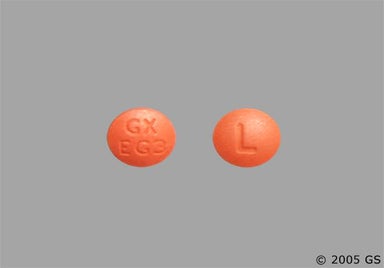
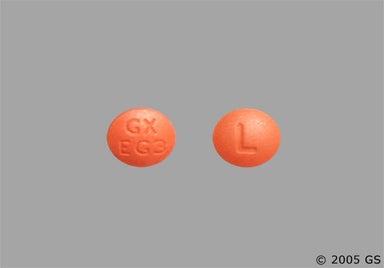
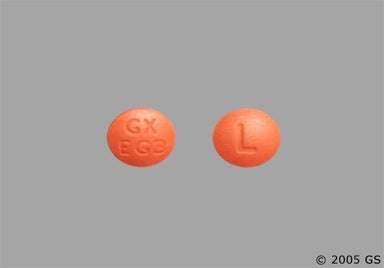
Leukeran (chlorambucil) images