doxazosin
Doxazosin mesylate (Cardura) is an alpha-1 blocker that's used to treat adults with enlarged prostate (benign prostatic hyperplasia, BPH) or high blood pressure. It's also available as brand name Cardura XL, an extended-release tablet that's FDA approved for treating BPH only. The typical dosage is one tablet by mouth once a day. Side effects include low blood pressure, dizziness, and fatigue.


What is Doxazosin (Cardura)?
What is Doxazosin (Cardura) used for?
- Enlarged prostate (benign prostatic hyperplasia, BPH)
- High blood pressure - immediate-release tablet only
How Doxazosin (Cardura) works
Doxazosin (Cardura) is an alpha-1 blocker.
-
Benign prostatic hyperplasia (BPH): It relaxes certain muscles in the prostate and bladder. This relaxation makes it easier for urine to flow, reducing problems with urination.
-
High blood pressure: It relaxes your blood vessels. This relaxation allows blood to flow more smoothly throughout your body, which helps lower your blood pressure.
Drug facts
| Common Brands | Cardura, Cardura XL |
|---|---|
| Drug Class | Alpha antagonist |
| Controlled Substance Classification | Not a controlled medication |
| Generic Status | Lower-cost generic available |
| Availability | Prescription only |

Side effects of Doxazosin (Cardura)
The following side effects may get better over time as your body gets used to the medication. Let your healthcare provider know immediately if you continue to experience these symptoms or if they worsen over time.
Common Side Effects
Immediate-release tablets
- Dizziness (16-19%)
- Fatigue (8-12%)
Extended-release tablets
- Headache (6%)
- Dizziness (5%)
- Respiratory tract infection (5%)
- Feeling weak (4%)
Less Common Side Effects
Immediate-release tablets
- Sleepiness
- Low blood pressure
- Shortness of breath
- Dry mouth
- Swelling
Extended-release tablets
- Stomach pain
- Low blood pressure
- Indigestion
- Nausea
- Muscle pain
- Sleepiness
- Shortness of breath
- Urinary tract infection
Doxazosin (Cardura) serious side effects
Contact your healthcare provider immediately if you experience any of the following.
- Priapism: painful erection lasting more than 4 hours
The following Doxazosin (Cardura) side effects have also been reported
Along with its needed effects, a medicine may cause some unwanted effects. Although not all of these side effects may occur, if they do occur they may need medical attention.
Check with your doctor as soon as possible if any of the following side effects occur:
More common
Dizziness or lightheadedness
Less common
Blurred vision
confusion
dizziness, faintness, or lightheadedness when getting up from a lying or sitting position
fainting (sudden)
fast and pounding heartbeat
irregular heartbeat
shortness of breath
sweating
swelling of feet or lower legs
Rare
Painful or prolonged erection of the penis (called priapism), although extremely rare, must have immediate medical attention. If painful or prolonged erection occurs, call your doctor or go to an emergency room as soon as possible
Incidence not known
Abdominal or stomach pain
area rash
black, tarry stools
bleeding gums
blood in urine or stools
chest pain or discomfort
chills
clay-colored stools
dark urine
difficulty breathing
difficult, burning, or painful urination
general tiredness and weakness
headache, sudden and severe
inability to speak
lab results that show problems with liver
light-colored stools
loss of appetite
noisy breathing
pain or discomfort in arms, jaw, back or neck
pinpoint red or purple spots on skin
rash
seizures
slow or irregular heartbeat
slurred speech
sores, ulcers, or white spots on lips or in mouth
swollen glands
temporary blindness
tightness in chest
unpleasant breath odor
unusual bleeding or bruising
upper right abdominal pain
vomiting
vomiting of blood
weakness in arm and/or leg on one side of the body, sudden and severe
yellow eyes and skin
Some side effects may occur that usually do not need medical attention. These side effects may go away during treatment as your body adjusts to the medicine. Also, your health care professional may be able to tell you about ways to prevent or reduce some of these side effects. Check with your health care professional if any of the following side effects continue or are bothersome or if you have any questions about them:
More common
Headache
lack or loss of strength
unusual tiredness or weakness
Less common
Acid or sour stomach
back pain
belching
bladder pain
cloudy urine
difficulty in moving
frequent urge to urinate
indigestion
joint pain
lower back or side pain
muscle aching, cramping, or weakness
muscle pains or stiffness
nervousness, restlessness, unusual irritability
sleepiness or drowsiness
stomach discomfort, upset or pain
swollen joints
Incidence not known
burning, crawling, itching, numbness, prickling, “pins and needles”, or tingling feeling
change in frequency or urination
feeling of warmth
general feeling of discomfort or illness
hives or welts
hyperventilation
increased urge to urinate during the night
increased volume of pale dilute urine
loss of appetite
redness of skin
redness of the face, neck, arms and occasionally upper chest
shaking
swelling of the breasts or breast soreness in both females and males
thinning of hair
trouble in holding or releasing urine
trouble sleeping
waking to urinate at night
Other side effects not listed may also occur in some patients. If you notice any other effects, check with your healthcare professional.
Call your doctor for medical advice about side effects. You may report side effects to the FDA at 1-800-FDA-1088.

Get your GoodRx coupon

Pros and cons of Doxazosin (Cardura)
Pros
- Taken by mouth once a day
- Can be used in older adults
- Available in a lower-cost generic form
Cons
- Not a first-choice options for high blood pressure
- Can cause dizziness and sudden low blood pressure
- Interacts with other medications

Pharmacist tips for Doxazosin (Cardura)

- Take the doxazosin (Cardura) immediate-release tablet either in the morning or at night with or without food.
- Doxazosin (Cardura) can cause dizziness or even fainting when you first start treatment. Your provider will usually start you on the lowest dose and might slowly raise it over several weeks.
- Doxazosin (Cardura) can cause a sudden drop in low blood pressure, especially when you get up too quickly. Slowly move from a lying down position to a sitting position, and then stand up slowly to allow your body to adjust to possible changes in blood pressure.
- Doxazosin (Cardura) can interact with other medications. Make sure to tell your provider about all the medications you're taking, especially if you're taking sildenafil (Viagra) (or another PDE-5 inhibitor) before and during treatment with doxazosin (Cardura) to make sure it's safe.
- Since doxazosin (Cardura) can cause dizziness, don't drive a car or operate machinery for the first 24 hours after: taking the medication for the first time, having a dose increase, or restarting the medication after a break.
More tips for Cardura XL (doxazosin) extended release tablet:
- Take the extended-release tablet in the morning with breakfast so that your body fully absorbs the medication.
- Swallow the extended-release tablet whole. Don't crush, chew, or open the tablets because it will affect how the medication works.
- If you notice a tablet that looks like an extended-release tablet in your stool, there's no need to worry. This tablet is just an empty shell because all the medication has already been absorbed by your body.

Risks and warnings for Doxazosin (Cardura)
Doxazosin (Cardura) can cause some serious health issues. This risk may be even higher for certain groups. If this worries you, talk to your doctor or pharmacist about other options.
Sudden drop in blood pressure upon standing
- Risk factors: Moving too quickly from sitting down to standing up | Not enough fluid in your body (dehydration) | Taking other medications that lower blood pressure | Heart failure | Drinking alcohol | Older adults
When you begin taking doxazosin (Cardura) for the first time or when your dose is raised, you might feel a sudden drop in blood pressure when you stand up from sitting or lying down. This is called orthostatic hypotension. So it's important to be careful when moving body positions. Symptoms include feeling lightheaded or dizzy after standing up, blurry vision, fainting, nausea, and confusion. Your body should adjust to the medication after the first few days, but if you continue to have these symptoms tell your healthcare provider. If you fall and hit your head, get medical help right away.
Prolonged and painful erection
Although rare, doxazosin (Cardura) can cause prolonged and painful erections, which sometimes requires surgery to treat. If you develop a prolonged erection that lasts longer than 4 hours, stop taking doxazosin (Cardura) and get medical attention right away.
Eye problems
- Risk factors: Planned cataract surgery
Doxazosin (Cardura) can cause an eye problem called intraoperative floppy iris syndrome (IFIS), which can happen during cataract surgery. IFIS can raise your risk of having eye problems during and after cataract surgery and it can occur even if you've stopped taking the medication. Let your eye surgeon know if you're taking doxazosin (Cardura) because they might have you stop the medication or change their surgical technique to lower your risk for IFIS.
Digestive system problems - Cardura XL tablet only
- Risk factors: History of stomach problems
Although rare, there are reports of blockages in the gut in other extended-release versions similar to Cardura XL (doxazosin) extended-release tablets. To be on the safe side, tell your provider if you experience bloating, serious stomach pain, nausea, or vomiting after taking Cardura XL (doxazosin).

Doxazosin (Cardura) dosage


Interactions between Doxazosin (Cardura) and other drugs
Although certain medicines should not be used together at all, in other cases two different medicines may be used together even if an interaction might occur. In these cases, your doctor may want to change the dose, or other precautions may be necessary. When you are taking this medicine, it is especially important that your healthcare professional know if you are taking any of the medicines listed below. The following interactions have been selected on the basis of their potential significance and are not necessarily all-inclusive.
Using this medicine with any of the following medicines is not recommended. Your doctor may decide not to treat you with this medication or change some of the other medicines you take.
- Boceprevir
Using this medicine with any of the following medicines is usually not recommended, but may be required in some cases. If both medicines are prescribed together, your doctor may change the dose or how often you use one or both of the medicines.
Using this medicine with any of the following medicines may cause an increased risk of certain side effects, but using both drugs may be the best treatment for you. If both medicines are prescribed together, your doctor may change the dose or how often you use one or both of the medicines.
- Acebutolol
- Alprenolol
- Atenolol
- Avanafil
- Betaxolol
- Bevantolol
- Bisoprolol
- Bucindolol
- Carteolol
- Carvedilol
- Celiprolol
- Dilevalol
- Esmolol
- Labetalol
- Levobunolol
- Mepindolol
- Metipranolol
- Metoprolol
- Nadolol
- Nebivolol
- Nifedipine
- Oxprenolol
- Penbutolol
- Pindolol
- Propranolol
- Sildenafil
- Sotalol
- Tadalafil
- Talinolol
- Tertatolol
- Timolol
- Vardenafil

How much does Doxazosin (Cardura) cost?

What are alternatives to Doxazosin (Cardura)?

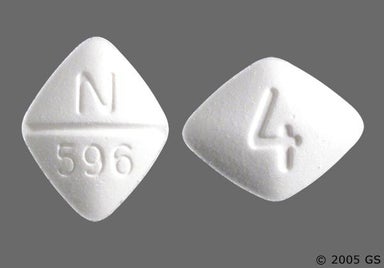
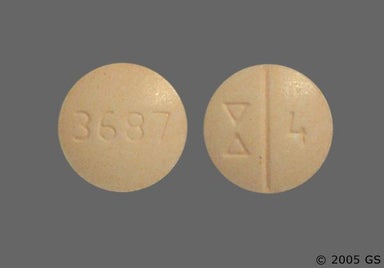
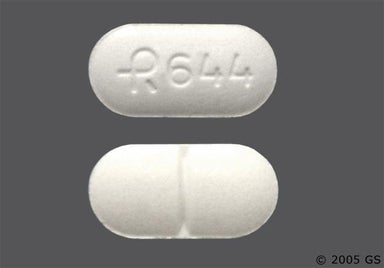
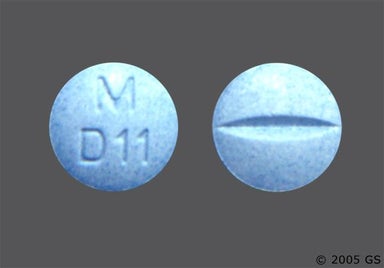
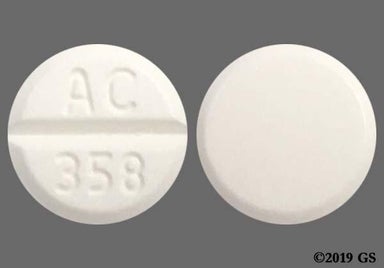
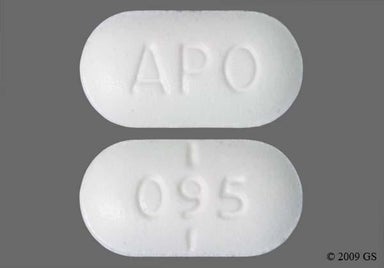
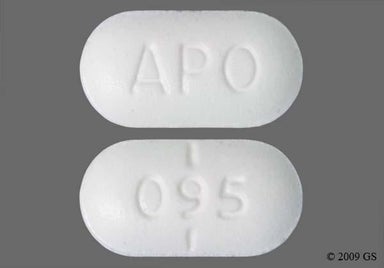
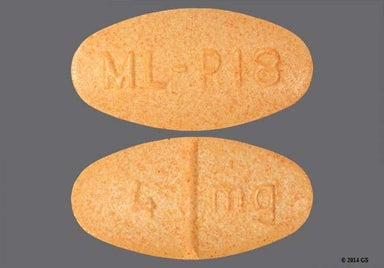
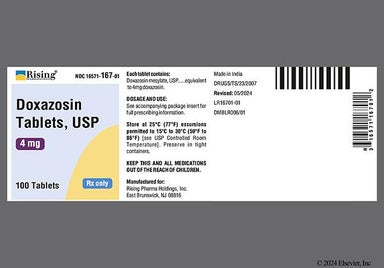
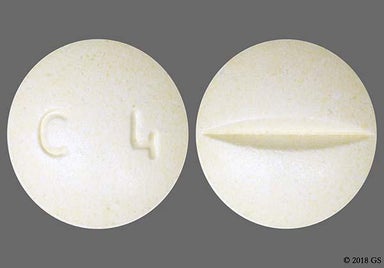
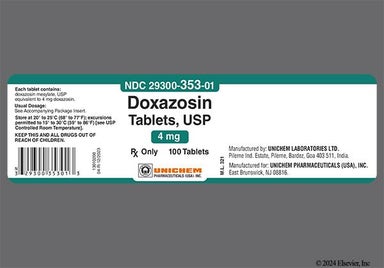
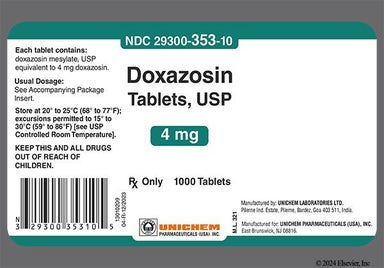
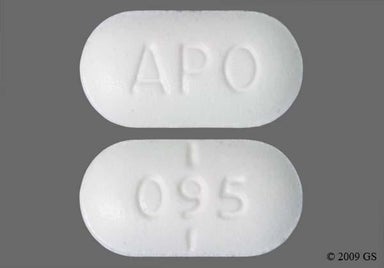
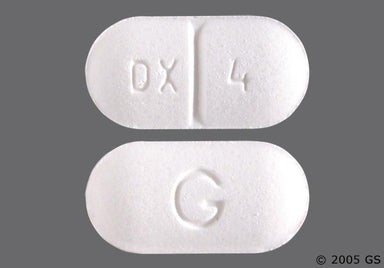
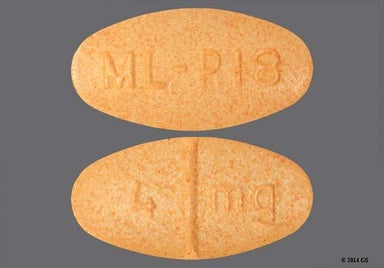
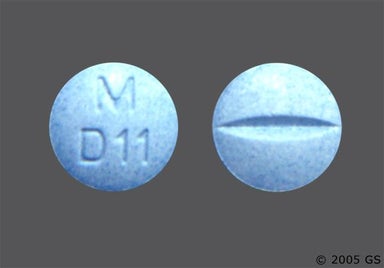
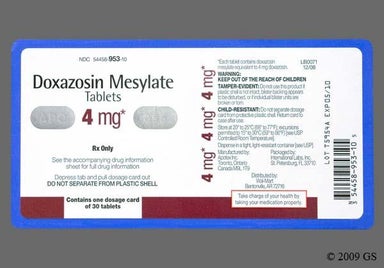
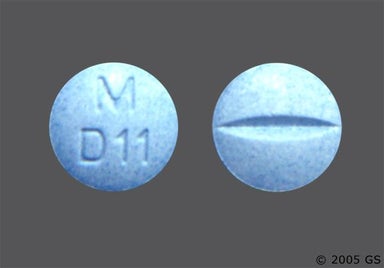
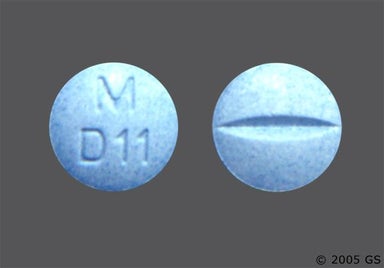
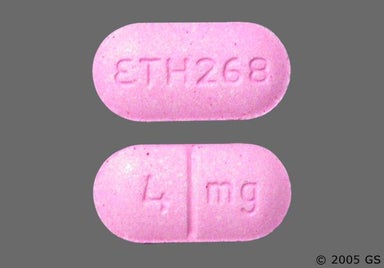
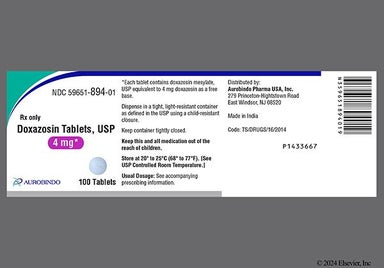
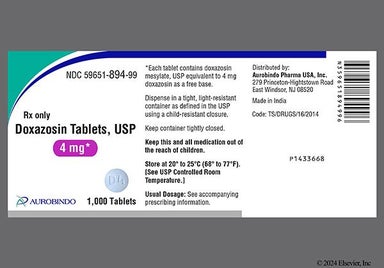
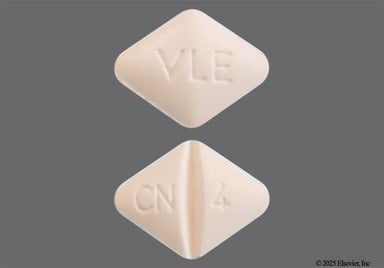
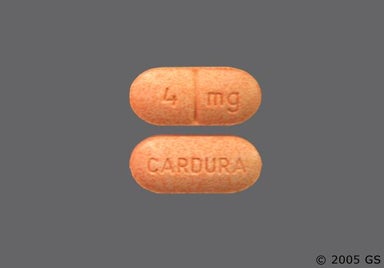
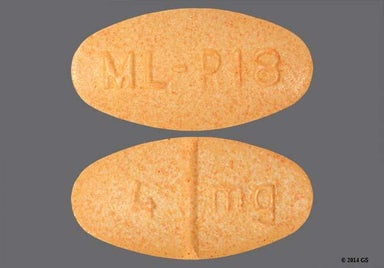
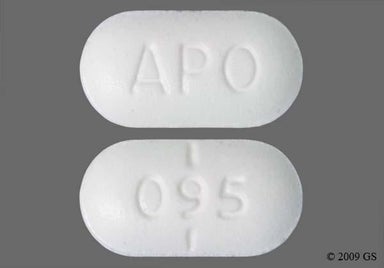
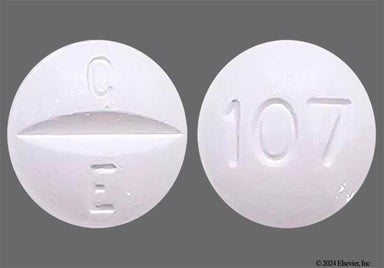
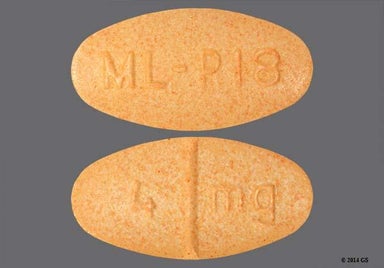
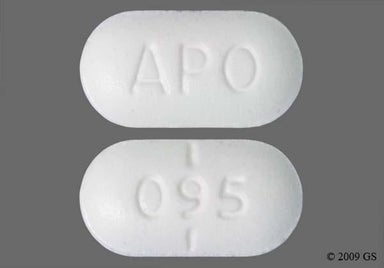
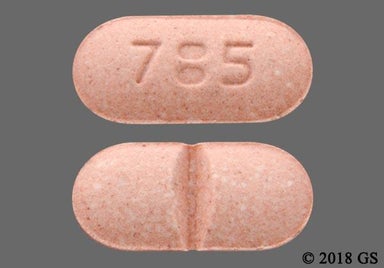
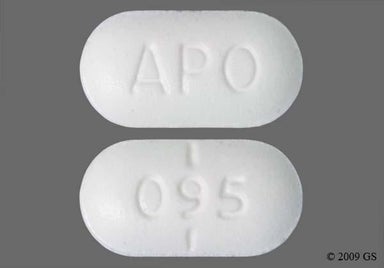
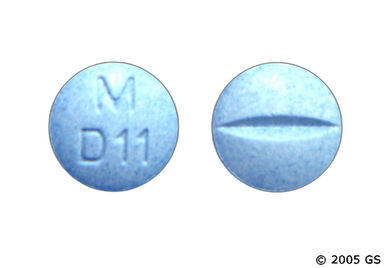
Doxazosin (Cardura) images