Diltiazem Coupon - Diltiazem 30mg tablet

diltiazem

Generic Cardizem
Used for Angina, Atrial Fibrillation, PSVT

Diltiazem (Cardizem) works well to treat chest pain caused by poor blood flow to the heart. Unlike its extended-release counterpart that's taken once a day, diltiazem (Cardizem) is taken four times a day. Common side effects of diltiazem (Cardizem) include swelling in the legs, dizziness, and tiredness.

Reviewed by:Last reviewed on May 18, 2023
basics-icon

What is Diltiazem (Cardizem)?

What is Diltiazem (Cardizem) used for?

  • New chest pain
  • Long-term chest pain

How Diltiazem (Cardizem) works

Diltiazem (Cardizem) is a calcium channel blocker that slows your heart rate and relaxes your blood vessels. This gets more oxygen to the heart so it doesn't have to work as hard to pump, which relieves chest pain.

When does Diltiazem (Cardizem) start working?Time passed since treatment started:
HOURS
Initial effect
DAYS
WEEKS
Full effect
MONTHS

Drug facts

Common BrandsCardizem
Drug ClassCalcium channel blocker (CCB)
Controlled Substance ClassificationNot a controlled medication
Generic StatusLower-cost generic available
AvailabilityPrescription only
side-effects-icon

Side effects of Diltiazem (Cardizem)

The following side effects may get better over time as your body gets used to the medication. Let your healthcare provider know immediately if you continue to experience these symptoms or if they worsen over time.

Common Side Effects

  • Swelling in the legs and feet (2%)
  • Headache (2%)
  • Nausea (2%)
  • Dizziness (2%)
  • Weakness (1%)

Less Common Side Effects

  • Rash
  • Stomach upset
  • Dry mouth
  • Nervousness
  • Diarrhea
  • Constipation

Diltiazem (Cardizem) serious side effects

Contact your healthcare provider immediately if you experience any of the following.

  • Worsening heart problems: sudden weight gain, swelling in the feet or ankles, pain in the abdomen, or shortness of breath not related to exercise
  • Severe liver problems: yellowing of the eyes or skin, pale stool, dark urine
  • Serious skin reaction: fever, sore throat, irritated eyes, red or purple skin rash with blistering and peeling
When do Diltiazem (Cardizem) possible side effects begin and end?
Time passed since treatment started:
H
D
W
M
Swelling in legs and feet
Headache
Dizziness
Weakness
If a line continues to the right, you'll likely keep experiencing this side effect once it starts.

Source: FDA

The following Diltiazem (Cardizem) side effects have also been reported

Along with its needed effects, a medicine may cause some unwanted effects. Although not all of these side effects may occur, if they do occur they may need medical attention.

Check with your doctor immediately if any of the following side effects occur:

More common

Body aches or pain

congestion

cough

dryness or soreness of the throat

fever

hoarseness

runny nose

tender or swollen glands in the neck

trouble swallowing

voice changes

Less common

Chest pain or discomfort

chills

diarrhea

difficult or labored breathing

feeling faint, dizzy, or lightheaded

feeling of warmth or heat

flushing or redness of the skin, especially on the face and neck

general feeling of discomfort or illness

headache

joint pain

loss of appetite

muscle aches and pains

nausea

shivering

slow or irregular heartbeat

sweating

swelling of the hands, ankles, feet, or lower legs

tightness in the chest

trouble sleeping

unusual tiredness or weakness

vomiting

Incidence not known

Blistering, peeling, or loosening of the skin

itching

large, hive-like swelling on the face, eyelids, lips, tongue, throat, hands, legs, feet, or sex organs

no heartbeat

red skin lesions, often with a purple center

red, irritated eyes

sores, ulcers, or white spots in the mouth or on the lips

Some side effects may occur that usually do not need medical attention. These side effects may go away during treatment as your body adjusts to the medicine. Also, your health care professional may be able to tell you about ways to prevent or reduce some of these side effects. Check with your health care professional if any of the following side effects continue or are bothersome or if you have any questions about them:

Less common

Acid or sour stomach

belching

constipation

continuing ringing or buzzing or other unexplained noise in the ears

degenerative disease of the joint

difficulty with moving

hearing loss

heartburn

indigestion

lack or loss of strength

muscle aching or cramping

muscle pains or stiffness

pain or tenderness around the eyes and cheekbones

rash

stomach discomfort, upset, or pain

swollen joints

Incidence not known

Hair loss or thinning of the hair

Other side effects not listed may also occur in some patients. If you notice any other effects, check with your healthcare professional.

Call your doctor for medical advice about side effects. You may report side effects to the FDA at 1-800-FDA-1088.

prices-container

Get your GoodRx coupon

Avg retail price
$13.000
GoodRx discount
$13.00
See prices
pros-and-cons-icon

Pros and cons of Diltiazem (Cardizem)

Pros

Cons

  • Need to take four times a day
  • Don't take with alcohol
  • Not for people with certain types of heart failure
pharmacist-tips-icon

Pharmacist tips for Diltiazem (Cardizem)

pharmacist
  • Diltiazem (Cardizem) can cause dizziness or fatigue when you first start taking it or when your provider raises your dose. Hold onto something sturdy so that you don't fall when standing up from a seated or lying down position.
  • Since diltiazem (Cardizem) wears off quickly, take it throughout the day at the same times each day. A good way to remember to take it is to take it before meals (e.g., breakfast, lunch, and dinner) and before bedtime.
  • You can crush or chew diltiazem (Cardizem) tablets. Make sure, however, that you're actually taking diltiazem (Cardizem) and not the extended-release version of this medication. The extended-release version must be swallowed whole.
  • Tell your provider and pharmacist about all of the medications that you're taking. Diltiazem (Cardizem) may interact with other medications such as statins (for cholesterol) and blood pressure medications.
faq-icon

Common questions about Diltiazem (Cardizem)

In general, calcium channel blockers (CCBs), like diltiazem (Cardizem), start to work within a few hours of the first dose. But it can take up to 2 to 4 weeks to feel the full benefits of the medication. Talk with your provider about your symptoms so they can adjust your dose of diltiazem (Cardizem) accordingly. In order for diltiazem (Cardizem) to work as best as it can, make sure you take it regularly as prescribed by your provider. It's not meant to be taken only take it 'as needed' for chest pain.

No, diltiazem (Cardizem) isn't a beta blocker. Diltiazem (Cardizem) is a calcium channel blocker (CCB). In general, beta blockers and CCBs are similar in that certain medications in both classes can treat high blood pressure and chest pain. But they do so in different ways. Talk with your provider if you've more questions about how diltiazem (Cardizem) works.

People who took diltiazem (Cardizem) in clinical trials didn't report weight gain as a side effect. Talk with your provider if you've questions about diltiazem (Cardizem) and weight gain.

Yes. Though not very common, diltiazem (Cardizem) can lower your heart rate. Most of the time, you won't feel any symptoms. But if your heart rate drops too low, you might feel tired or weak. If this happens, you should get medical attention.

Yes. Dizziness is one of the more common side effects of diltiazem (Cardizem). It's most noticeable when you get up from a seated or lying down position. If dizziness continues to be an issue for you, even after you've been on the same dose for several weeks, talk with your provider.

While both diltiazem and diltiazem CD contain the same active ingredient, they don't treat the same medical conditions. Diltiazem (Cardizem) is an immediate-release version of the medication that's approved to treat chest pain (angina) only. It's taken by mouth 3 to 4 times daily. Diltiazem CD (Cardizem CD) is the extended-release version that's approved to treat both chest pain and high blood pressure (hypertension). It's taken by mouth once daily.

educational-icon

How to save using GoodRx

Compare Prices
1. Compare PricesSpecify your dosage and quantity to find out exactly how much you can save.
Select your free coupon
2. Select your free couponYou can use the displayed coupon, or compare prices at other pharmacies near you.
Show coupon to your pharmacist
3. Show coupon to your pharmacistPresent your printed or electronic coupon when you pick up your prescription.
Get free couponLearn more
warnings-icon

Risks and warnings for Diltiazem (Cardizem)

Diltiazem (Cardizem) can cause some serious health issues. This risk may be even higher for certain groups. If this worries you, talk to your doctor or pharmacist about other options.

Heart rhythm problems

  • Risk factors: Taking digoxin or beta-blockers at the same time

Rarely, diltiazem (Cardizem) can cause heart rhythm problems. Sometimes, this can lead to abnormally slow heart rate. Your risk of this side effect is higher if you're taking certain medications, such as digoxin or beta-blockers. Let your provider know if you feel weak or lightheaded, these might be symptoms of heart-related problems.

Risk of low blood pressure

Diltiazem (Cardizem) can cause low blood pressure, especially if you're already taking blood pressure medications. Let your provider know right away if you experience symptoms of low blood pressure, such as dizziness, weakness, confusion, and blurry vision.

Liver problems

  • Risk factors: History of liver disease

Though very rare, there have been reports of people who developed liver injury within the first 2 weeks of taking diltiazem (Cardizem). Often times, this liver damage was mild and went away on its own in 1-2 months after their provider stopped the medication. If this happens, your provider will likely monitor your liver health with blood tests.

dosage-icon

Diltiazem (Cardizem) dosage

The average cost for 90 tablets of 30mg of Diltiazem (Cardizem) is $13.00 with a free GoodRx coupon. This is 0.00% off the average retail price of $13.00.
tabletTablet
DosageQuantityPrice as low asPrice per unit
30mg90 tablets$13.00$0.14
60mg90 tablets$13.22$0.15
90mg90 tablets$22.32$0.25
120mg90 tablets$13.45$0.15

Typical dosage for Diltiazem (Cardizem)

The typical starting dose is 30 mg by mouth 4 times a day before meals and at bedtime. If needed, your provider will raise your dose slowly over time. The typical daily dose ranges from 180 mg to 360 mg, divided into 3 to 4 equal doses, and taken throughout the day.

interactions-icon

Interactions between Diltiazem (Cardizem) and other drugs

Diltiazem (Cardizem) may interact with certain medications or supplements. Always let your doctor and pharmacist know about any other medications or supplements (including prescribed and over-the-counter medications, vitamins, and dietary or herbal supplements) that you are currently taking. The list below does not include all possible drug interactions with Diltiazem (Cardizem). Please note that only the generic name of each medication is listed below.

Although certain medicines should not be used together at all, in other cases two different medicines may be used together even if an interaction might occur. In these cases, your doctor may want to change the dose, or other precautions may be necessary. When you are taking this medicine, it is especially important that your healthcare professional know if you are taking any of the medicines listed below. The following interactions have been selected on the basis of their potential significance and are not necessarily all-inclusive.

Using this medicine with any of the following medicines is not recommended. Your doctor may decide not to treat you with this medication or change some of the other medicines you take.

  • Cisapride
  • Colchicine
  • Eliglustat
  • Flibanserin
  • Lomitapide

Using this medicine with any of the following medicines is usually not recommended, but may be required in some cases. If both medicines are prescribed together, your doctor may change the dose or how often you use one or both of the medicines.

Using this medicine with any of the following medicines may cause an increased risk of certain side effects, but using both drugs may be the best treatment for you. If both medicines are prescribed together, your doctor may change the dose or how often you use one or both of the medicines.

cost-icon

How much does Diltiazem (Cardizem) cost?

To access savings, use a GoodRx coupon and pay just a fraction of the retail price.
Diltiazem (Cardizem) (generic)
GoodRx lowest price

$13.00

(save 69.43%)
contraindications-icon

Diltiazem (Cardizem) contraindications

Contraindications are specific health conditions or situations in which a person should not take a medication due to safety concerns. If you have any of the following conditions or if any of the following apply to you, let your healthcare provider know because Diltiazem (Cardizem) will not be safe for you to take.

alternatives-icon

What are alternatives to Diltiazem (Cardizem)?

There are a number of medications that your doctor can prescribe in place of Diltiazem (Cardizem). Compare a few possible alternatives below.
Diltiazem (Cardizem)
Used for:
  • New chest pain
  • Long-term chest pain
$13.00Lowest GoodRx priceView prices
Used for:
$11.46Lowest GoodRx priceView prices
latest-news-icon

News about Diltiazem (Cardizem)

Some people who take diltiazem experience dizziness, headache, and constipation. Here’s a list of nine diltiazem side effects to be aware of before taking the medication.
9 Diltiazem Side Effects: Headache, Constipation, and More
Some people who take diltiazem experience dizziness, headache, and constipation. Here’s a list of nine diltiazem side effects to be aware of before taking the medication.
Certain medications, such as lisinopril, simvastatin, and carvedilol, may cause a cough. Learn more about medications that cause coughing here.
11 Medications That Cause Coughing: Here’s What to Know About a Drug-Induced Cough
Certain medications, such as lisinopril, simvastatin, and carvedilol, may cause a cough. Learn more about medications that cause coughing here.
GoodRx unpacks potential causes of weird taste in mouth such as medicine, GERD, poor oral hygiene, and more.
Weird Taste in Your Mouth? One of These Medications or Health Conditions Could Be the Cause
GoodRx unpacks potential causes of weird taste in mouth such as medicine, GERD, poor oral hygiene, and more.
Angina and heart attacks both cause chest pain, but usually angina doesn’t result in lasting damage. Learn how to tell the difference and when to get treatment.
What’s the Difference Between a Heart Attack and Angina?
Angina and heart attacks both cause chest pain, but usually angina doesn’t result in lasting damage. Learn how to tell the difference and when to get treatment.
Diltiazem (Cardizem) and metoprolol are both approved to treat atrial fibrillation. Compare differences in how they work, side effects, and more.
Diltiazem vs. Metoprolol for Atrial Fibrillation: 4 Differences to Know
Diltiazem (Cardizem) and metoprolol are both approved to treat atrial fibrillation. Compare differences in how they work, side effects, and more.
Hyperpigmentation is the clinical term for darker skin discoloration. See what hyperpigmentation looks like on Black and brown skin, plus ways to treat it.
Hyperpigmentation in Darker Skin Tones: Pictures, Causes, and Treatment
Hyperpigmentation is the clinical term for darker skin discoloration. See what hyperpigmentation looks like on Black and brown skin, plus ways to treat it.
Heart rate and blood pressure are both vital signs that give insight into how your heart and blood vessels are functioning. But they both represent different things.
What’s the Difference Between Heart Rate and Blood Pressure?
Heart rate and blood pressure are both vital signs that give insight into how your heart and blood vessels are functioning. But they both represent different things.
Calcium channel blockers are first-choice medications for treating high blood pressure. Here are nine pharmacist tips to help maximize the potential benefits.
9 Essential Tips for Taking Calcium Channel Blockers
Calcium channel blockers are first-choice medications for treating high blood pressure. Here are nine pharmacist tips to help maximize the potential benefits.
Learn about some of the most common medications used to treat heart failure, and which medications can worsen the condition — some are more common than you think.
The Most Common Medications for Heart Failure (and Ones That Make Heart Failure Worse)
Learn about some of the most common medications used to treat heart failure, and which medications can worsen the condition — some are more common than you think.
Medications that are likely to cause constipation include opioids, antidepressants, antihistamines, and high blood pressure medications. Dietary changes and stool softeners can help bring some relief.
8 Types of Medications That Can Cause Constipation
Medications that are likely to cause constipation include opioids, antidepressants, antihistamines, and high blood pressure medications. Dietary changes and stool softeners can help bring some relief.
images-icon

Diltiazem (Cardizem) images

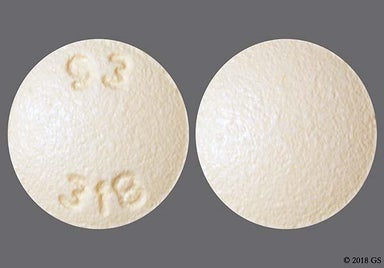
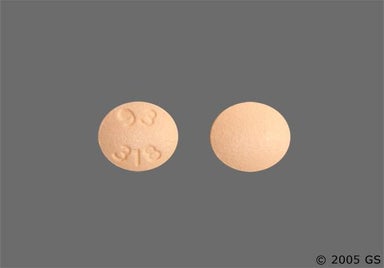
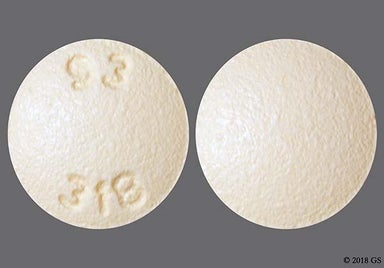
Orange Round 93 318 - Diltiazem Hydrochloride 30mg Tablet
This medicine is Orange, Round Tablet Imprinted With "93 318".Orange Round 93 318 - Diltiazem Hydrochloride 30mg Tablet
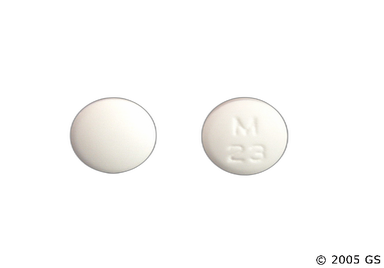
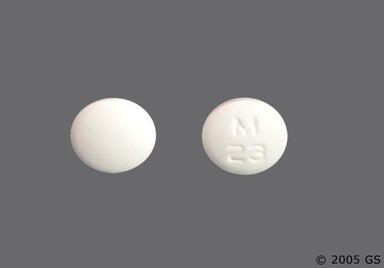
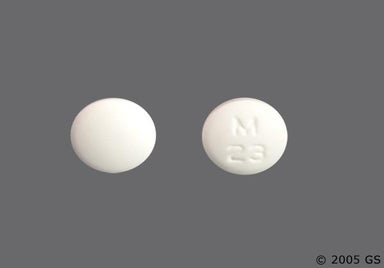
White Round M 23 - Diltiazem Hydrochloride 30mg Tablet
This medicine is White, Round Tablet Imprinted With "M 23".White Round M 23 - Diltiazem Hydrochloride 30mg Tablet
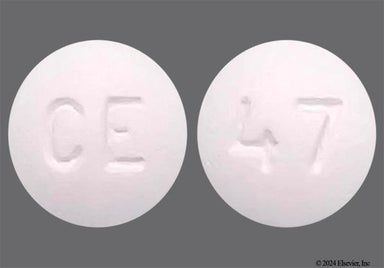
White Round 47 And Ce - Diltiazem Hydrochloride 30mg Tablet
This medicine is White, Round Tablet Imprinted With "47" And "Ce".White Round 47 And Ce - Diltiazem Hydrochloride 30mg Tablet
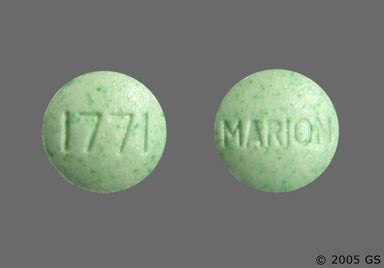
Green Round Marion And 1771 - Diltiazem Hydrochloride 30mg Tablet
This medicine is Green, Round Tablet Imprinted With "Marion" And "1771".Green Round Marion And 1771 - Diltiazem Hydrochloride 30mg Tablet

Get savings updates for Diltiazem (Cardizem)

Receive price alerts, news, and other messages from GoodRx about Diltiazem (Cardizem) and other healthcare topics and relevant savings offers.

By providing your email, you consent to receive marketing communications from GoodRx, which may include content and/or data related to men's health, women's health, reproductive care, or sexual health. You agree to the GoodRx Terms of Use and acknowledge the Privacy Policy. You can unsubscribe at any time.

References

Best studies we found

Dakkak, W., et al. (2023). Sick sinus syndrome. StatPearls.

Kashou, A. H., et al. (2023). Atrioventricular block. StatPearls.

LiverTox: Clinical and Research Information on Drug-Induced Liver Injury. (2017). Diltiazem. National Institute of Diabetes and Digestive and Kidney Diseases.

GoodRx Health has strict sourcing policies and relies on primary sources such as medical organizations, governmental agencies, academic institutions, and peer-reviewed scientific journals. Learn more about how we ensure our content is accurate, thorough, and unbiased by reading our editorial guidelines.

Was this page helpful?