


Medications That Cause Dehydration: 9 Drugs That May Leave You Feeling Thirsty
Dehydration is a side effect of many medicines, and it can be serious. Medications that cause dehydration include diuretics, laxatives, and chemotherapy drugs.
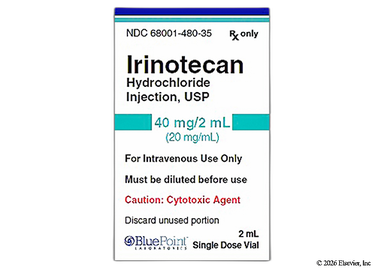
Irinotecan (Camptosar) is a chemotherapy medication used to treat colon cancer. It’s also often used off-label for many other cancers, including pancreatic cancer. Irinotecan (Camptosar) works as a topoisomerase inhibitor to stop the cancer from growing. It’s given as an infusion through the vein at a medical center. It’s usually given along with other cancer therapies but can also be used by itself. Irinotecan (Camptosar) commonly causes diarrhea as a side effect. It can also lower your blood cell counts and put you at higher risk of infections. This medication is available as generic and brand-name versions.

Irinotecan (Camptosar) is a type of chemotherapy called a topoisomerase I inhibitor. It works by interfering with and damaging the DNA in your cells. This causes fast-growing cells like cancer cells to get destroyed. It helps prevent the cancer from growing and spreading.
| Common Brands | Camptosar |
|---|---|
| Drug Class | Topoisomerase I inhibitor |
| Controlled Substance Classification | Not a controlled medication |
| Generic Status | No lower-cost generic available |
| Availability | Prescription only |

The following side effects may get better over time as your body gets used to the medication. Let your healthcare provider know immediately if you continue to experience these symptoms or if they worsen over time.
Note: Side effects and percentages were reported in people taking irinotecan (Camptosar) with 5-fluorouracil and leucovorin.
Contact your healthcare provider immediately if you experience any of the following.
Along with its needed effects, a medicine may cause some unwanted effects. Although not all of these side effects may occur, if they do occur they may need medical attention.
Check with your doctor or nurse immediately if any of the following side effects occur:
More common
black, tarry stools
blood in the urine or stools
blurred vision
changes in skin color
chest pain or discomfort
chest tightness or heaviness
chills
clay colored stools
cold hands and feet
confusion
constricted pupils
cough or hoarseness
dark urine
diarrhea with or without stomach cramps or sweating
dizziness
fainting
fast, slow, or irregular heartbeat
full or bloated feeling or pressure in the stomach
headache
increased production of saliva
increased tear production
itching or skin rash
lightheadedness when getting up suddenly from a lying or sitting position
loss of appetite
low blood pressure or pulse
lower back or side pain
nausea or vomiting
numbness or tingling in the face, arms, or legs
pain in the chest, groin, or legs, especially calves of the legs
pain in the shoulders, arms, jaw, or neck
painful or difficult urination
pale skin
pinpoint red spots on the skin
redness or swelling of the leg
severe headache of sudden onset
slow breathing
slurred speech
stomach pain
stopping of the heart
sudden and severe weakness in the arm or leg on one side of the body
sudden loss of coordination
sudden vision changes
sweating
swelling
swelling of the abdomen or stomach area
temporary blindness
tenderness, pain, or swelling of the arm, foot, or leg
troubled breathing
trouble with speaking or walking
ulcers, sores, or white spots on the lips or in the mouth
unconsciousness
unpleasant breath odor
unusual bleeding or bruising
unusual tiredness or weakness
vomiting of blood
warm, red feeling over the body
yellow eyes or skin
Less common
Bleeding gums
coughing up blood
decreased urination
difficulty with swallowing
dryness of the mouth
increased menstrual flow or vaginal bleeding
increased thirst
nosebleeds
paralysis
prolonged bleeding from cuts
wrinkled skin
Rare
Decreased amount of urine
decreased frequency of urination
fast, irregular, or troubled breathing
puffiness or swelling of the eyelids or around the eyes, face, lips, or tongue
rapid weight gain
Incidence not known
Abdominal or stomach pain and tenderness
agitation
bloated or full feeling
burning, crawling, itching, numbness, prickling, "pins and needles", or tingling feelings
coma
heartburn or indigestion
hostility
irritability
lethargy
muscle pain and cramps
muscle twitching
pain in the stomach, side, or abdomen, possibly radiating to the back
pain or discomfort in the arms, jaw, back, or neck
rectal bleeding
severe abdominal or stomach cramping or burning
severe and continuing nausea
stupor
swelling of the face, lower legs, ankles, fingers, or hands
tightness in the chest
unusual tiredness or weakness
vomiting of material that looks like coffee grounds
Some side effects may occur that usually do not need medical attention. These side effects may go away during treatment as your body adjusts to the medicine. Also, your health care professional may be able to tell you about ways to prevent or reduce some of these side effects. Check with your health care professional if any of the following side effects continue or are bothersome or if you have any questions about them:
More common
Acid or sour stomach
belching
blistering, peeling, redness, or swelling of the palms of hands or bottoms of the feet
cracked lips
excess air or gas in the stomach or intestines
feeling of constant movement of self or surroundings
numbness, pain, tingling, or unusual sensations in the palms of the hands or bottoms of feet
passing gas
right upper abdominal or stomach pain and fullness
sensation of spinning
sleepiness or unusual drowsiness
stomach discomfort, upset, or pain
trouble sleeping
Incidence not known
Hiccups
Other side effects not listed may also occur in some patients. If you notice any other effects, check with your healthcare professional.
Call your doctor for medical advice about side effects. You may report side effects to the FDA at 1-800-FDA-1088.




Irinotecan (Camptosar) can cause some serious health issues. This risk may be even higher for certain groups. If this worries you, talk to your doctor or pharmacist about other options.
Diarrhea is a common side effect of irinotecan (Camptosar). Early diarrhea can happen during the infusion or within 24 hours of the infusion. It usually goes away eventually and isn’t severe. Along with diarrhea, you might also have other symptoms at this stage. You might have stomach cramps, runny nose, drooling, watery eyes, sweating, or flushing.
Late diarrhea can also happen more than 24 hours after the irinotecan (Camptosar) infusion. It can be life-threatening because the diarrhea can last a long time. It can lead to dehydration, low electrolyte levels, and gut and kidney problems. Usually, late diarrhea starts around 11 days after the infusion.
Drink plenty of fluids to stay hydrated. Tell your treatment team if you have any diarrhea at any time while taking irinotecan (Camptosar). Call them if your diarrhea starts interfering with your ability to eat and drink as usual. And it’s even more important to call if you have black or bloody stools. Also tell them if you have signs of dehydration like feeling dizzy, lightheaded, or faint. These can be signs of severe diarrhea and serious problems from it.
Your treatment team can suggest what to do for diarrhea depending on when it happens and how severe it is. If you have early diarrhea or stomach cramps, the treatment team can give you a medication called atropine to help. For late diarrhea, you’ll probably take loperamide (Imodium A-D) for relief. For severe diarrhea that causes dehydration, you might need to go to the hospital for intravenous fluids or electrolytes. Your oncologist will also decide if you need to take a break from or stop irinotecan (Camptosar).
Irinotecan (Camptosar) can cause severely low blood cell counts. Low red blood cells can lead to anemia and fatigue. And low platelets can put you at risk of bleeding. Tell your care team if you have unusual tiredness or you start to bleed or bruise more easily.
In addition, having low white blood cell counts (neutropenia) can be very serious. It can make you more likely to have dangerous fevers and get infections. Severe neutropenia can also lead to sepsis, which can be life-threatening. Watch for signs of infection like fever, chills, weakness, and body aches. Get urgent care if you have a fever or think you have an infection. You might need antibiotics to treat infections.
Before each irinotecan (Camptosar) infusion, you’ll need a blood test done to check your blood cell counts. Your oncologist will make sure your white blood cells are at a safe enough level to get the medication. If your white blood cell count is too low, your oncologist will delay your infusion. They might also adjust your dose for your next infusions.
Certain forms of the UGT1A1 gene can affect how well the body breaks down irinotecan (Camptosar). If your body can’t break down the medication as well, you might be at higher risk of side effects.
These side effects include a higher risk of severe diarrhea. You're also more likely to have very low white blood cell counts, which can put you at risk of life-threatening infections.
Talk to your oncologist if you need UGT1A1 genetic testing. If you’ve had this testing done, share your results with your treatment team. They can adjust your irinotecan (Camptosar) dose to help keep you safe. They’ll also follow up with you more often about side effects.
Some people taking irinotecan (Camptosar) had kidney problems. Usually, this happened to people who had severe vomiting or diarrhea from treatment.
It’s a good idea to stay well hydrated to lower the risk of kidney problems. Let your care team know if you vomit too much or have a lot of diarrhea while taking irinotecan (Camptosar).
It’s rare, but some people receiving irinotecan (Camptosar) have had lung damage. This can sometimes be serious and even life-threatening.
Tell your oncologist about all your health problems, the treatments you’ve had, and the medications you take. Some things can make you more likely to have lung damage. If you’re at risk, your care team will check for symptoms of lung problems more often while you’re taking irinotecan (Camptosar).
Tell your care team right away if you have a new or worsening cough, shortness of breath, or fever. Your oncologist will probably have you stop taking irinotecan (Camptosar) while they check your lungs.
Irinotecan (Camptosar) can cause severe allergic reactions, including anaphylaxis. This can look like dizziness, trouble breathing, swelling in your lips or tongue, itching, or hives.
If you think you’re having an allergic reaction, get medical help right away. They’ll pause the treatment and evaluate your symptoms. If the reaction is very severe, your care team will change your treatment plan.
Irinotecan (Camptosar) can harm an unborn baby if it’s given during pregnancy. If you can get pregnant, your oncologist will have you do a pregnancy test before starting treatment. This makes sure you aren’t pregnant when you start treatment. If you are, your oncologist will help explain the risks and decide the best treatment plan for you.
If you’re able to become pregnant, use effective birth control while taking irinotecan (Camptosar). Keep using birth control for 6 months after your last dose. If you’re male and can father a child, use condoms while taking this medication and for 3 months after your last dose. Tell your care team right away if you or your partner becomes pregnant.
If you’re thinking about becoming pregnant, talk to your oncologist. They can speak with you about options for family planning. Tell your oncologist right away if you get pregnant while taking irinotecan (Camptosar).

Irinotecan (Camptosar) is given as an infusion through the vein. This is also called an intravenous or IV infusion. Your treatment team will give this infusion at a medical center.
Your dose and infusion schedule will depend on the type of cancer you have and your treatment plan. It’ll also depend on if you’re getting irinotecan (Camptosar) with other cancer medications or by itself.
Your treatment team will calculate your dose irinotecan (Camptosar) based on your body surface area (BSA). This takes into consideration your height and weight. To keep you safe, your team might lower your dose if you have serious side effects. Follow the infusion schedule that your care team has given you.

Although certain medicines should not be used together at all, in other cases two different medicines may be used together even if an interaction might occur. In these cases, your doctor may want to change the dose, or other precautions may be necessary. When you are receiving this medicine, it is especially important that your healthcare professional know if you are taking any of the medicines listed below. The following interactions have been selected on the basis of their potential significance and are not necessarily all-inclusive.
Using this medicine with any of the following medicines is not recommended. Your doctor may decide not to treat you with this medication or change some of the other medicines you take.
Using this medicine with any of the following medicines is usually not recommended, but may be required in some cases. If both medicines are prescribed together, your doctor may change the dose or how often you use one or both of the medicines.
Using this medicine with any of the following medicines may cause an increased risk of certain side effects, but using both drugs may be the best treatment for you. If both medicines are prescribed together, your doctor may change the dose or how often you use one or both of the medicines.



Prescription savings
Stop paying too much for your prescriptions. Compare prices, get pharmacy coupons, and save up to 80%.Resources
About GoodRx
 Find expert answers to your health questions so you can make the best decisions for yourself and your family.
Health conditions
Medications & treatment
Access & affordability
Well-being
Medication discounts

Irinotecan is approved by the FDA to treat metastatic colon cancer. But oncologists often use it off-label for other cancers too. These include esophageal cancer, gallbladder and bile duct cancer, pancreatic cancer, and rectal cancer. It can also sometimes be used for lung cancer or cervical cancer. And in some cases, it might help with neuroendocrine tumors or some cancers that don’t have a clear tissue origin (occult primary). The National Comprehensive Cancer Network (NCCN) supports these uses based on clinical studies. Ask your oncologist if Irinotecan could be a treatment option for your cancer.
Yes. Irinotecan is a type of chemotherapy medication. It works as a topoisomerase inhibitor to damage the DNA inside cancer cells. This kills the cancer cells and helps stop the cancer from growing.
If you have diarrhea while taking Irinotecan, let your oncology team know right away. Try to jot down when it happens, how long it lasts, and what your stools look like. This helps your care team know how to help you. They might give you medication like loperamide (Imodium A-D). This medication is helpful for controlling diarrhea that happens after your infusion. You usually take 4 mg of loperamide after your first episode of diarrhea, then 2 mg every 2 hours until the diarrhea has stopped for at least 12 hours. Diarrhea can sometimes be serious and lead to dehydration, so drink plenty of fluids. If diarrhea doesn’t get better within a day, call your care team. They might check for infection or recommend other options to treat your diarrhea.
Yes. It’s quite common to have hair loss while receiving Irinotecan. The medication works to damage and destroy fast-growing cells in your body. This not only affects cancer cells but also hair follicle cells. If you’re worried about hair loss with your cancer treatment, speak with your treatment plan. They can talk to you about how to lower your risk, such as brushing gently and avoiding heated styling tools. They can also recommend options like wigs, scarves, or turbans.
Each Irinotecan infusion is usually given over 90 minutes. Keep in mind that you might need other infusions on the same day as part of your treatment plan. Also, your care team might need to draw your blood or take scans to check how you’re doing with treatment. These things can add time to your visit. Be sure to plan ahead for your appointment. Dress comfortably, and bring activities like books or music to help you pass the time.
Irinotecan and Onivyde (irinotecan) both contain the same active ingredient (irinotecan). They both work by damaging the DNA in cancer cells to help treat cancer. The main difference is in how they’re made. Onivyde has a coating called a liposome that protects the chemotherapy. This liposome shell is thought to help the irinotecan reach the cancer better and stay in your body longer than regular irinotecan. This might help Onivyde fight cancer better. Because of this difference, the two medications can’t be switched for each other. Talk to your oncologist to compare and learn more about the two medications.
Irinotecan usually takes about 4 to 5 days to leave your body after an infusion. This is based on the medication's half-life, which is a measure of the time it takes the body to get rid of it. Irinotecan can stay longer in the body for people with certain forms of the UGT1A1 gene. This makes the body have a harder time breaking down the medication. Because of this, it can raise your risk of side effects from this chemotherapy. If you have this gene type, your oncologist can lower your dose of Irinotecan and check on you more often to help keep you safe. If you have questions about how long this medication stays in your body, ask your prescriber.
No. Avoid breastfeeding while receiving Irinotecan. Also don’t breastfeed for another week after your last infusion of the medication. Irinotecan can get transferred from the body into breast milk. There’s a possible risk that this could lead to dangerous side effects in the breastfed baby. Talk to a lactation consultant about safer ways to feed your baby, like with formula.
