



Prescription-Strength Tylenol: What You Need to Know
Learn which forms of Tylenol (acetaminophen) need a prescription. We’ll also discuss maximum dosage recommendations and how much acetaminophen is in prescription and OTC products.
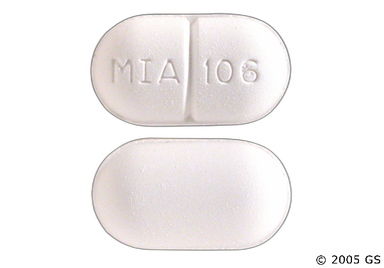
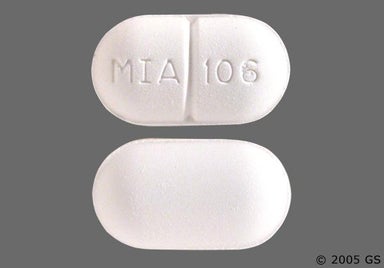
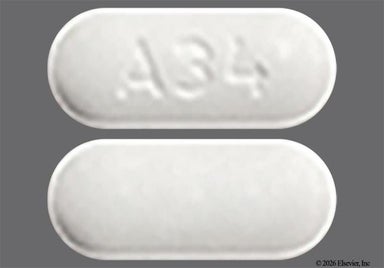
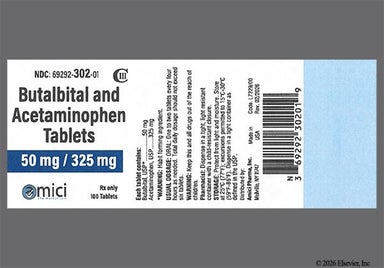
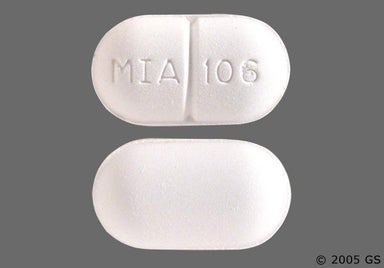
Bupap (butalbital / acetaminophen) is a combination medication containing butalbital and acetaminophen that can help treat and relieve pain from tension headaches. The medication is not a first-choice option for headaches, since it can lead to worsening headaches if it's used too often.

Bupap (butalbital / acetaminophen) is a combination of two medications that help relieve different aspects of tension headaches. Tension headaches are commonly related to stress or anxiety, and they can cause pain.
| Common Brands | Bupap, Allzital, Tencon |
|---|---|
| Drug Class | Barbiturate / Analgesic |
| Controlled Substance Classification | Controlled in some states. See FAQs below. |
| Generic Status | Lower-cost generic available |
| Availability | Prescription only |

The following side effects may get better over time as your body gets used to the medication. Let your healthcare provider know immediately if you continue to experience these symptoms or if they worsen over time.
Contact your healthcare provider immediately if you experience any of the following.
Along with its needed effects, a medicine may cause some unwanted effects. Although not all of these side effects may occur, if they do occur they may need medical attention.
Check with your doctor immediately if any of the following side effects occur:
Rare
Bleeding or crusting sores on lips
fever with or without chills
hive-like swellings (large) on eyelids, face, lips, and/or tongue
muscle cramps or pain
red, thickened, or scaly skin
shortness of breath, troubled breathing, tightness in chest, or wheezing
sores, ulcers, or white spots in mouth (painful)
Symptoms of overdose
Anxiety, confusion, excitement, irritability, nervousness, restlessness, or trouble in sleeping (severe, especially with products containing caffeine)
convulsions (seizures) (for products containing caffeine)
diarrhea, especially if occurring together with increased sweating, loss of appetite, and stomach cramps or pain
dizziness, lightheadedness, drowsiness, or weakness, (severe)
frequent urination (for products containing caffeine)
hallucinations (seeing, hearing, or feeling things that are not there)
increased sensitivity to touch or pain (for products containing caffeine)
muscle trembling or twitching (for products containing caffeine)
nausea or vomiting, sometimes with blood
ringing or other sounds in ears (for products containing caffeine)
seeing flashes of "zig-zag" lights (for products containing caffeine)
shortness of breath or unusually slow or troubled breathing
slow, fast, or irregular heartbeat
slurred speech
staggering
swelling, pain, or tenderness in the upper abdomen or stomach area
unusual movements of the eyes
Check with your doctor as soon as possible if any of the following side effects occur:
Rare
Bloody or black, tarry stools
bloody urine
pinpoint red spots on skin
swollen or painful glands
unusual bleeding or bruising
unusual tiredness or weakness (mild
Some side effects may occur that usually do not need medical attention. These side effects may go away during treatment as your body adjusts to the medicine. Also, your health care professional may be able to tell you about ways to prevent or reduce some of these side effects. Check with your health care professional if any of the following side effects continue or are bothersome or if you have any questions about them:
Other side effects not listed may also occur in some patients. If you notice any other effects, check with your healthcare professional.
Call your doctor for medical advice about side effects. You may report side effects to the FDA at 1-800-FDA-1088.




Bupap (butalbital / acetaminophen) can cause some serious health issues. This risk may be even higher for certain groups. If this worries you, talk to your doctor or pharmacist about other options.
 Bupap (butalbital / acetaminophen) contains acetaminophen. Taking more than 3 to 4 grams of acetaminophen (Tylenol) in a day raises your risk of serious liver damage. Because some over-the-counter medications for fever, pain, cold, or flu symptoms contain acetaminophen (Tylenol), it's important to be aware of how much acetaminophen (Tylenol) you're taking throughout the day. To lower this risk, don't take more than one medication containing acetaminophen (Tylenol). If you realize you've taken more than 3 to 4 grams of acetaminophen (Tylenol) in a day, go to the emergency room right away even if you feel well. If you notice symptoms of liver damage, like stomach pain, dark urine, yellowing of your skin or eyes, get medical help as soon as possible.
Bupap (butalbital / acetaminophen) can affect your ability to focus, think, and react. Taking other medications that make you feel sleepy and less alert can worsen these symptoms. Avoid activities that need you to focus, like driving a car or operating machinery, until you know how this medication affects you.
Bupap (butalbital / acetaminophen) contains butalbital, which can be habit-forming. It can cause physical dependence if it's taken for a long time, meaning you might need higher doses of the medication to get the same relief. It can also cause withdrawal symptoms, like seizures, restlessness, trouble sleeping, and shakiness, if you lower your dose or stop taking the medication suddenly. To lower the risk of physical dependence, don't take Bupap (butalbital / acetaminophen) longer than prescribed, at higher doses than prescribed, or more often than prescribed. If you no longer want to take Bupap (butalbital / acetaminophen), talk to your healthcare provider so they can instruct you on how to stop taking the medication safely. Talk to your healthcare provider about alternative treatments if you have concerns about taking Bupap (butalbital / acetaminophen).
Bupap (butalbital / acetaminophen) contains acetaminophen, which can cause rare but serious, life-threatening skin reactions. These reactions can look like reddening or peeling of the skin, painful rash, and fluid-filled blisters. If you notice any of these symptoms, stop taking Bupap (butalbital / acetaminophen) and go to the emergency room right away.
Bupap (butalbital / acetaminophen) contains acetaminophen, which have caused severe allergic reactions in some people. Bupap (butalbital / acetaminophen) shouldn't be used if you've had a severe allergic reaction to acetaminophen in the past. If you experience trouble breathing, itchiness, or swelling of the face, mouth, or throat, go to the emergency room right away.

 Capsule
| Dosage | Quantity | Price as low as | Price per unit |
|---|---|---|---|
| 50mg/300mg | 30 capsules | $104.40 | $3.48 |

Although certain medicines should not be used together at all, in other cases two different medicines may be used together even if an interaction might occur. In these cases, your doctor may want to change the dose, or other precautions may be necessary. When you are taking any of these medicines, it is especially important that your healthcare professional know if you are taking any of the medicines listed below. The following interactions have been selected on the basis of their potential significance and are not necessarily all-inclusive.
Using medicines in this class with any of the following medicines is not recommended. Your doctor may decide not to treat you with a medication in this class or change some of the other medicines you take.
Using medicines in this class with any of the following medicines is usually not recommended, but may be required in some cases. If both medicines are prescribed together, your doctor may change the dose or how often you use one or both of the medicines.


Contraindications are specific health conditions or situations in which a person should not take a medication due to safety concerns. If you have any of the following conditions or if any of the following apply to you, let your healthcare provider know because Bupap (butalbital / acetaminophen) will not be safe for you to take.


Prescription savings
Stop paying too much for your prescriptions. Compare prices, get pharmacy coupons, and save up to 80%. Find expert answers to your health questions so you can make the best decisions for yourself and your family.
Health conditions
Medications & treatment
Access & affordability
Medication discounts

Butalbital/Acetaminophen is a controlled medication in some states, because it contains butalbital. Because butalbital can make people feel relaxed, there's a risk of misuse, meaning people might take the medication for a different reason or in a different way than it's prescribed. Taking butalbital for a long time can also cause physical dependence, where more medication is needed to get the same relaxed feeling. Physical dependence can lead to serious withdrawal symptoms if you lower the dose too quickly or if you stop the medication suddenly. These symptoms include seizures, delusions, restlessness, trouble sleeping, and shakiness. Because of these dangerous risks with butalbital use, some state governments place strict regulations on Butalbital/Acetaminophen to lower the risk of misuse, dependence, and related consequences.
State laws can differ when categorizing Butalbital/Acetaminophen as a controlled medication. In some states, whether Butalbital/Acetaminophen is controlled or not depends on how much butalbital it contains compared to other ingredients and how likely the medication can cause the dangerous risk of misuse and dependence. In other states, Butalbital/Acetaminophen is categorized as a controlled medication solely based on the fact that butalbital alone is a controlled medication.
If Butalbital/Acetaminophen is a controlled medication in your state, it means that your state government places strict regulations on the medication. These regulations can include how much Butalbital/Acetaminophen your pharmacy can order, when your prescription expires, how many tablets that can be prescribed over a given period of time, and how many times you can get it refilled. The regulations that the government places on Butalbital/Acetaminophen helps ensure you're taking the medication safely and responsibly.
Butalbital/Acetaminophen and Fioricet (butalbital / acetaminophen / caffeine) are both combination medications containing butalbital and acetaminophen that are used to treat tension headaches. Though they are used to treat the same pain condition and have similar ingredients, Fioricet also contains caffeine, which is thought to boost the pain-relieving activity of acetaminophen.
Butalbital/Acetaminophen is not recommended if you're pregnant or breastfeeding. Taking Butalbital/Acetaminophen for a long period of time during pregnancy might cause neonatal abstinence syndrome. This is a condition where your unborn baby becomes dependent on butalbital while in the womb, since butalbital can be passed to your unborn baby during pregnancy. Once your baby is born, they might experience withdrawal symptoms similar to as if you were stopping the medication suddenly. These symptoms can include seizures, body shakes, high-pitched crying, and poor feeding or sucking behaviors. Butalbital can also be found in breast milk, and it might raise the risk of poor feeding behaviors, tiredness, vomiting, sleepiness and slow reflexes in your baby. If you're pregnant or breastfeeding, talk to your healthcare provider about the risks and benefits of taking Butalbital/Acetaminophen and to see if there are safer headache medications for you and your baby.
