Key takeaways:
Dry mouth can make it harder to eat, swallow, or talk. It can also raise your risk of cavities and mouth infections.
Medications are a common cause of dry mouth. This includes over-the-counter (OTC) medications such as antihistamines.
Dry mouth remedies include water, sugar-free gum, and OTC saliva substitutes. If these aren’t enough, prescription medications can help to relieve dry mouth symptoms.
Save on related medications
If you have dry mouth (xerostomia), you know how uncomfortable it can be. It may make it harder to chew, swallow, and enjoy food. Some people may even have trouble speaking. Over time, dry mouth can lead to dental problems and mouth infections.
Here’s the good news: Several at-home remedies and medications can help keep your mouth moist and protect your teeth. The best way to get relief may depend on what’s causing your symptoms. Here’s a closer look at what you can do, and what you can avoid, when you have dry mouth.
Dry mouth remedies to try at home
Simple changes and over-the-counter (OTC) products can often provide relief from dry mouth. Here are several options you can try at home.
Hydrate with cold liquids or ice chips
Sip cool liquids or another sugar-free drink throughout the day and whenever you wake up at night. This moistens your mouth and makes it easier to chew, swallow, and speak. Ice chips can also provide short-term relief.
How much water you need per day depends on many factors, such as your activity level, environment, and overall health.
Chew sugar-free gum
Chewing sugar-free gum can stimulate your salivary glands and increase how much saliva you make. Studies show that most types of gum can boost how much saliva you make. But it’s best to stick with sugar-free gum to help protect your teeth from cavities. Sucking on sugar-free hard candy also works.
Try a saliva substitute
There are many types of OTC saliva substitutes, also called artificial saliva products. They’re available as gels, rinses, sprays, and lozenges. These products coat and moisten your mouth. They may also have certain nutrients and proteins that are found in saliva. This can help prevent dental decay and relieve dry mouth symptoms.
There’s not a lot of research on which type or brand works best. You may need to try a few products before you find one that gives you the most relief.
Practice good oral care
A good oral hygiene routine won’t relieve dry mouth symptoms right away. But over time, it can lower your risk of cavities and mouth infections. Brush twice a day with toothpaste that has fluoride, floss daily, and use an alcohol-free mouthwash. There are also toothpastes and mouthwashes made specifically for dry mouth.
See your dentist regularly for checkups, cleanings, and fluoride treatments as needed. Your dentist may also recommend a prescription-strength fluoride toothpaste or rinse if you’re at higher risk for cavities.
Turn on a humidifier
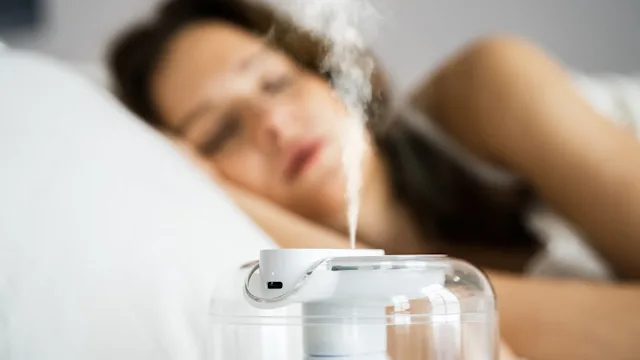
A humidifier adds moisture to the air. Using one at night may help if you wake up with a dry mouth, especially if you breathe through your mouth while sleeping. Be sure to regularly clean the humidifier to prevent mold and bacteria from growing inside it.
Prescription dry mouth treatments
If home remedies and OTC options aren’t enough, a healthcare professional may prescribe medication that stimulates your salivary glands. Prescription medications for dry mouth include:
Pilocarpine (Salagen) is a tablet that mimics a chemical in your body that tells your salivary glands to turn on.
Cevimeline (Evoxac) is a capsule that works the same way, but it binds more selectively to the receptors found specifically on your salivary glands.
These medications can cause side effects, including sweating, nausea, flushing, and more frequent urination. Work with a healthcare professional to figure out if one is safe for you.
Things you should avoid if you have dry mouth
Certain everyday habits, foods, and drinks can affect how much saliva you make and make dry mouth worse. If you have dry mouth, try to limit or avoid these when possible:
Tobacco products, including cigarettes and vapes
Alcohol, including mouthwash that contains alcohol
Caffeine, including coffee, tea, energy drinks, and sodas
Spicy, salty, or acidic foods
Breathing through your mouth, especially at night
Some medications can also cause dry mouth. But don’t stop taking a medication on your own. A healthcare professional may be able to adjust your dose or change when you take it. They also may be able to recommend an alternative medication.
What causes dry mouth?
Dry mouth (xerostomia) develops when you don’t make enough saliva to keep your mouth comfortably moist. Common causes of dry mouth include:
Medications: Medications are the most common reason for dry mouth. Many prescription and OTC medications can lead to dry mouth, including antihistamines, decongestants, antidepressants, and some medications for high blood pressure or bladder problems.
Dehydration: Not drinking enough fluid is one of the most common reasons for a dry mouth. You’re also more likely to get dehydrated if you’re sweating a lot, have a fever, are vomiting, or have diarrhea.
Cancer treatment: Cancer treatments, like radiation or chemotherapy, can lead to dry mouth.
Medical conditions: Sjögren disease, diabetes, and certain autoimmune conditions that affect the salivary glands can cause dry mouth.
Mouth breathing: Sleeping with your mouth open can lead to dry mouth and disrupt your sleep. You’re more likely to breathe through your mouth when your nasal passages are blocked by things like allergies, a deviated septum, or sleep apnea.
Tobacco: Tobacco use can decrease your saliva flow and make dry mouth symptoms worse.
Is dry mouth serious?
Dry mouth is very common, especially as you get older and are more likely to have other health conditions or take medications that reduce saliva production.
Dry mouth can lead to more concerning oral health problems, like cavities, infections, and mouth sores. It can also make it hard to eat or swallow, which can affect your overall health.
Talk with a healthcare professional or dentist if your dry mouth:
Lasts for more than a few weeks
Makes it difficult to eat, swallow, or speak
Starts right after you began a new medication
Happens along with mouth pain, sores, or white patches
Frequently asked questions
Sipping on water may help relieve dry mouth quickly. Chewing on sugar-free gum or using an over-the-counter (OTC) saliva substitute can also provide fast relief. The timeline to get rid of dry mouth depends on the cause. If you have ongoing dry mouth, it’s best to connect with a healthcare professional.
There isn’t a specific vitamin that’s proven to treat dry mouth. But if a vitamin deficiency is contributing to your symptoms, a healthcare professional may recommend a supplement.
To stimulate your salivary glands, try chewing sugar-free gum or sucking on sugar-free candy. If you still have dry mouth after trying these home remedies, a healthcare professional may recommend a prescription medication, like pilocarpine or cevimeline.
The bottom line
Dry mouth is uncomfortable and can affect your ability to eat, swallow, and speak. Over time, it can also raise your risk of cavities and mouth infections. Sipping water, chewing sugar-free gum, and practicing good oral care can all help relieve dry mouth. If you still have symptoms after trying these home remedies, talk with a healthcare professional or dentist. They can look for the cause and figure out if a medication change or prescription treatment may help.

Why trust our experts?



References
Abreu, R. R., et al. (2008). Etiology, clinical manifestations and concurrent findings in mouth-breathing children. Jornal de Pediatria.
Bots, C. P., et al. (2004). Preferences and saliva stimulation of eight different chewing gums. International Dental Journal.
Byber, K., et al. (2021). Humidification of indoor air for preventing or reducing dryness symptoms or upper respiratory infections in educational settings and at the workplace. The Cochrane Database of Systematic Reviews.
Furness, S., et al. (2013). Interventions for the management of dry mouth: Non‐pharmacological interventions. The Cochrane Database of Systematic Reviews.
NHS. (2026). Dry mouth.
Plemons, J. M., et al. (2014). Managing xerostomia and salivary gland hypofunction. Executive summary of a report from the American dental association council on scientific affairs. The Journal of the American Dental Association.
Research Services and Scientific Information, ADA Library & Archives. (2026). Xerostomia (dry mouth). ADA.org.
Shahdad, S. A., et al. (2005). A double-blind, crossover study of biotène oralbalance and bioxtra systems as salivary substitutes in patients with post-radiotherapy xerostomia. European Journal of Cancer Care.
Tanasiewicz, M., et al. (2016). Xerostomia of various etiologies: A review of the literature. Advances in Clinical and Experimental Medicine.