





Can You Overdose on Aspirin? What to Know About Salicylate Toxicity
Did you know you can overdose on aspirin? Read about aspirin overdose symptoms, treatment, and prevention — and toxicity from other salicylates.
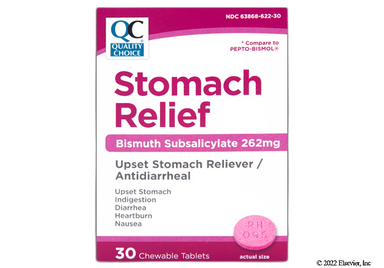
Bismuth subsalicylate (Pepto-Bismol) is a salicylate antidiarrheal medication. It's used to ease diarrhea and symptoms of an upset stomach (e.g., gas, nausea) in adults and kids ages 12 years and older. This medication is taken by mouth, typically once every 30 minutes to an hour, as needed. Bismuth subsalicylate (Pepto-Bismol) is found over the counter in several different formulations, such as chewable tablets and oral solutions. Side effects of this medication include nausea, changes in taste, dark-colored tongue, and black stool.

Bismuth subsalicylate (Pepto-Bismol) is a salicylate that's an antidiarrheal medication. It treats diarrhea and stomach irritation in a few different ways, including slowing down movement in your stomach and intestines, lowering the amount of secretions in your gut, and helping your body reabsorb fluids and electrolytes.
| Common Brands | Pepto-Bismol, Kaopectate |
|---|---|
| Drug Class | Antidiarrheal |
| Controlled Substance Classification | Not a controlled medication |
| Generic Status | Lower-cost generic available |
| Availability | Over-the-counter |

The following side effects may get better over time as your body gets used to the medication. Let your healthcare provider know immediately if you continue to experience these symptoms or if they worsen over time.
Contact your healthcare provider immediately if you experience any of the following.
Side effects that you should report to your care team as soon as possible:
Side effects that usually do not require medical attention (report to your care team if they continue or are bothersome):



More tips for bismuth subsalicylate oral suspension:

Bismuth subsalicylate (Pepto-Bismol) can cause some serious health issues. This risk may be even higher for certain groups. If this worries you, talk to your doctor or pharmacist about other options.
Bismuth subsalicylate use in children is linked to a rare but serious condition called Reye's syndrome. It typically occurs when children who are recovering from flu-like symptoms or other viruses take salicylates, like bismuth subsalicylate or aspirin. Early symptoms of Reye's syndrome include vomiting, headache, confusion, and distress. But it can progress to seizures and loss of consciousness. Don't give bismuth subsalicylate (Pepto-Bismol) to a child who has an upset stomach due to the flu. Ask your child's provider for medication recommendations for children who are sick.
Taking too much bismuth subsalicylate (Pepto-Bismol) or other products containing salicylate, including aspirin or Salonpas pain relieving patches (camphor / menthol / methyl salicylate), can lead to salicylate toxicity. Check the ingredients of your other medications, including OTC medications, to see if they also contain salicylate. Let your provider know if you have symptoms of salicylate toxicity, include headache, dizziness, and ringing in the ear.
Severe allergic reactions to bismuth subsalicylate (Pepto-Bismol) are possible, including anaphylaxis (closing of the throat). Call 911 if you experience hives, trouble breathing, or swelling of your lips or tongue. Let your provider know if you have an allergy to aspirin or other NSAIDs before you start taking bismuth subsalicylate (Pepto-Bismol).

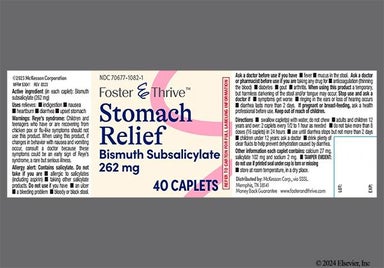
There are several strengths and formulations of bismuth subsalicylate (Pepto-Bismol) available. Each product might have different instructions and dose recommendations. Make sure to follow the instructions on the package labeling or your provider’s directions.
Some examples include:
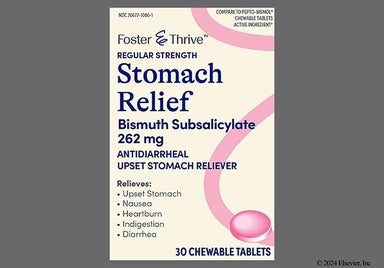
Bismuth subsalicylate 262 mg chewable tablets (Pepto Bismol Chewable)
Bismuth subsalicylate 525 mg caplets (Pepto Bismol Ultra)


Contraindications are specific health conditions or situations in which a person should not take a medication due to safety concerns. If you have any of the following conditions or if any of the following apply to you, let your healthcare provider know because Bismuth subsalicylate (Pepto-Bismol) will not be safe for you to take.









Prescription savings
Stop paying too much for your prescriptions. Compare prices, get pharmacy coupons, and save up to 80%.Resources
About GoodRx
 Find expert answers to your health questions so you can make the best decisions for yourself and your family.
Health conditions
Medications & treatment
Access & affordability
Well-being
Medication discounts

While the effects of Bismuth Subsalicylate doesn't last very long (you might need to take it every half hour to an hour), traces of this medication can be found in the body for a long time. Talk with your provider if you have questions about how long Bismuth Subsalicylate might stay in your body.
Yes, Bismuth Subsalicylate is a medication that can cause black or dark-colored stools (and tongue). Sometimes, this side effect can last for several days after your last dose, but it should go away with time. But if you feel other symptoms, like dizziness, weakness, stomach pain, or blood when wiping or red streaks on the outside of your stool, seek medical help right away because these are potential signs of a stomach bleed.
Typically, you can take a dose of Bismuth Subsalicylate every 30 minutes to an hour as needed. Be sure to check the product you're taking for the maximum amount of tablets or oral solution you can take total per day. This can differ depending on which strength of Bismuth Subsalicylate you're taking.
No, don't take Bismuth Subsalicylate during pregnancy because it can affect the development of your unborn baby. If you're having diarrhea or upset stomach, talk to your provider or pharmacist about other treatment options.
Children under 12 years of age shouldn't take Bismuth Subsalicylate because doing so raise their risk of a serious condition called Reye's syndrome. This typically occurs when children who are recovering from flu-like symptoms or other viruses take medications containing a salicylate (like bismuth subsalicylate). If your child has stomach upset or diarrhea, ask their provider what medications are appropriate for them.
No, Bismuth Subsalicylate doesn't typically help with constipation; it helps with diarrhea. If you're having constipation, try eating foods high in fiber and drinking more fluids. Ask your provider whether it's safe for you to take any over-the-counter stool softeners or laxatives. If your constipation doesn't improve, let your provider know.
Yes, Bismuth Subsalicylate is medication with an expiration date written on the product. Don't use Bismuth Subsalicylate past the expiration date, otherwise it might not be safe or work well enough to treat your symptoms.
