


What is a Beta Blocker? And Other Commonly Asked Questions
We're answering questions about beta blockers — learn what they are, how they work, common side effects, and more.
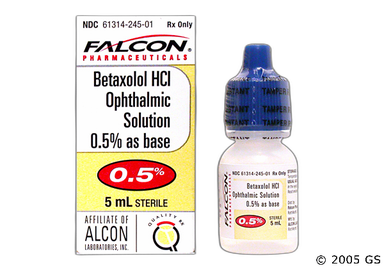
Betaxolol (Betoptic-S) is an eye drop medication. It helps lower pressure within the eye and treats glaucoma in adults. This eye drop is a beta blocker that works by lessening the amount of fluid in the eye. The Betaxolol (Betoptic-S) eye drops are typically used twice a day. Side effects aren't common but can include temporary eye discomfort and watery eyes. Betaxolol (Betoptic-S) can be used by itself or together with other pressure-lowering eye drops.

Betaxolol (Betoptic-S) is an eye drop that belongs to a drug class called beta blocker. It helps lessen the amount of fluid that's made in the eye. When there's less fluid inside the eye, the eye pressure goes down.
| Common Brands | Betoptic-S |
|---|---|
| Drug Class | Beta blocker |
| Controlled Substance Classification | Not a controlled medication |
| Generic Status | Lower-cost generic available |
| Availability | Prescription only |

The following side effects may get better over time as your body gets used to the medication. Let your healthcare provider know immediately if you continue to experience these symptoms or if they worsen over time.
Contact your healthcare provider immediately if you experience any of the following.
Along with its needed effects, a medicine may cause some unwanted effects. Although not all of these side effects may occur, if they do occur they may need medical attention.
Check with your doctor immediately if any of the following side effects occur:
More common
Chest pain or discomfort
lightheadedness, dizziness, or fainting
shortness of breath
slow or irregular heartbeat
unusual tiredness
Get emergency help immediately if any of the following symptoms of overdose occur:
Symptoms of overdose
blurred vision
chills
cold sweats
coma
confusion
convulsions (seizures)
cool, pale skin
decreased urine output
dizziness, faintness, or lightheadedness when getting up from a lying or sitting position suddenly
extreme fatigue
headache
increased hunger
irregular breathing
loss of consciousness
nervousness
nightmares
noisy breathing
shakiness
slurred speech
sweating
troubled breathing
unusual tiredness or weakness
Some side effects may occur that usually do not need medical attention. These side effects may go away during treatment as your body adjusts to the medicine. Also, your health care professional may be able to tell you about ways to prevent or reduce some of these side effects. Check with your health care professional if any of the following side effects continue or are bothersome or if you have any questions about them:
Less common
Acid or sour stomach
belching
body aches or pain
burning, crawling, itching, numbness, prickling, "pins and needles", or tingling feelings
congestion
decreased interest in sexual intercourse
difficulty in moving
dryness or soreness of throat
hoarseness
inability to have or keep an erection
indigestion
loss in sexual ability, desire, drive, or performance
muscle pain or stiffness
rash
stomach discomfort, upset, or pain
tender, swollen glands in neck
trouble in swallowing
trouble sleeping
unable to sleep
unusual drowsiness, dullness, or feeling of sluggishness
unusual or strange dreams
voice changes
Rare
Discouragement
feeling sad or empty
irritability
lack of appetite
loss of interest or pleasure
tiredness
trouble concentrating
Other side effects not listed may also occur in some patients. If you notice any other effects, check with your healthcare professional.
Call your doctor for medical advice about side effects. You may report side effects to the FDA at 1-800-FDA-1088.




Betaxolol (Betoptic-S) can cause some serious health issues. This risk may be even higher for certain groups. If this worries you, talk to your doctor or pharmacist about other options.
Beta blockers can cause people with diabetes (high blood sugar) to not notice symptoms of low blood sugar, except for sweating and dizziness. Very small amounts of betaxolol (Betoptic-S) might get absorbed into your bloodstream, so this isn't common with beta blocker eye drops. Talk to your primary care provider to see whether you should check your blood sugar more often if you have diabetes and you're using betaxolol (Betoptic-S).
Beta blockers can cause people with an overactive thyroid to not recognize the signs of hyperthyroidism, such as a fast heart rate. It's possible for some betaxolol (Betoptic-S) to get absorbed into your bloodstream and cause this effect. Make sure your optometrist or ophthalmologist knows whether you have thyroid problems before you start treatment with betaxolol (Betoptic-S).
It's possible for beta blockers like betaxolol (Betoptic-S) to worsen symptoms like muscle weakness in people who have myasthenia gravis. Watch out for worsening symptoms if you have myasthenia gravis and let your care team know if this happens to you.
Beta blocker medications like betaxolol (Betoptic-S) are usually not recommended for people with lung conditions, like asthma and COPD. Beta blockers can cause trouble breathing by making the airways to become narrower. Make sure your healthcare team knows if you have or have ever had any lung problems or conditions before you start using betaxolol (Betoptic-S) to check whether it's safe for you.
It's possible for betaxolol (Betoptic-S) to have a small effect on heart rate and blood pressure. Tell your care team about your medical history, especially if you've had heart failure or heart block. Changes in heart rate and blood pressure can affect these heart conditions. Talk to your primary care provider if you notice swelling in your feet or ankles, a fast or irregular pulse, or shortness of breath when you lie down or exercise. These might be signs of heart problems.


Although certain medicines should not be used together at all, in other cases two different medicines may be used together even if an interaction might occur. In these cases, your doctor may want to change the dose, or other precautions may be necessary. When you are taking this medicine, it is especially important that your healthcare professional know if you are taking any of the medicines listed below. The following interactions have been selected on the basis of their potential significance and are not necessarily all-inclusive.
Using this medicine with any of the following medicines is usually not recommended, but may be required in some cases. If both medicines are prescribed together, your doctor may change the dose or how often you use one or both of the medicines.
Using this medicine with any of the following medicines may cause an increased risk of certain side effects, but using both drugs may be the best treatment for you. If both medicines are prescribed together, your doctor may change the dose or how often you use one or both of the medicines.


Contraindications are specific health conditions or situations in which a person should not take a medication due to safety concerns. If you have any of the following conditions or if any of the following apply to you, let your healthcare provider know because Betaxolol (Betoptic-S) will not be safe for you to take.




Prescription savings
Stop paying too much for your prescriptions. Compare prices, get pharmacy coupons, and save up to 80%.Resources
About GoodRx
 Find expert answers to your health questions so you can make the best decisions for yourself and your family.
Health conditions
Medications & treatment
Access & affordability
Well-being
Medication discounts

Betaxolol usually starts to lower eye pressure within 30 minutes, but the maximum effect can take up to 2 hours after your dose. For some people, it can take a few weeks for the pressure-lowering effects of the medication to be consistent.
The pressure-lowering effects in the eye from Betaxolol last for about 12 hours after each dose. This is why it's usually recommended to use this medication twice a day.
It's common to have temporary discomfort in the eye after you use Betaxolol eye drops. Some people might also have watery eyes. Speak with your optometrist or ophthalmologist if these side effects bother you.
Yes, you can use other eye drops after you use Betaxolol. It's best to wait at least 5 minutes after placing an eye drop into your eye before you use another eye drop. This gives each medication time to get absorbed into the eye without getting washed out right away.
Betaxolol doesn't appear to contain sulfites. To be safe, check the list of ingredients on the box of your eye drop bottle to see whether it contains a sulfite. Some other eye drops contain sulfites as a preservative to prevent bacteria from growing in the medication. Ask a healthcare professional for help if you aren't sure.
