


Best Blood Pressure Medications for Erectile Dysfunction: Here’s What Works Best, and Why
Some blood pressure medications can improve erectile dysfunction, while others can make it worse. Read on to learn about the best blood pressure meds for ED.
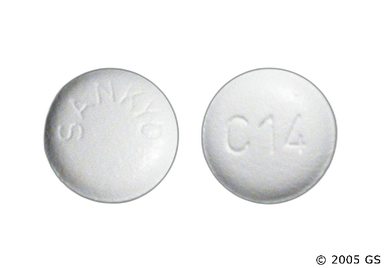
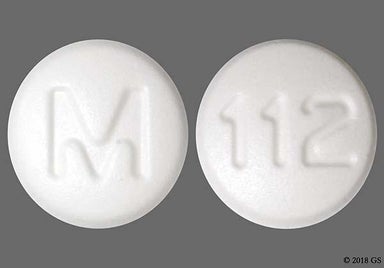
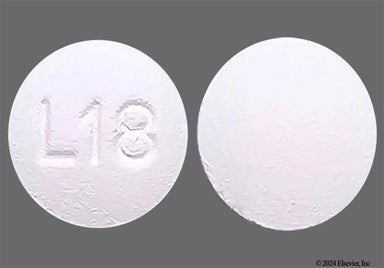
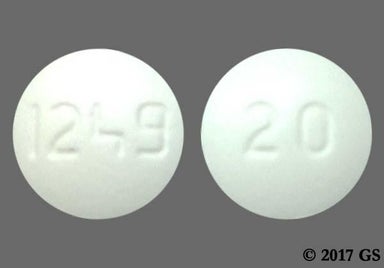
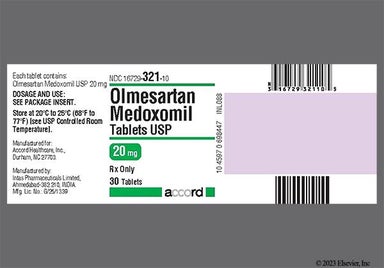
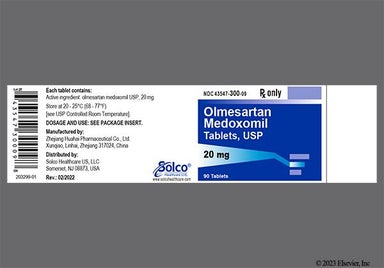
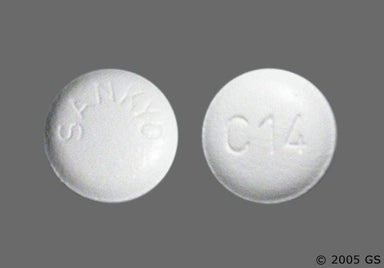
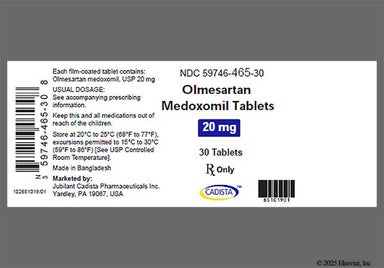
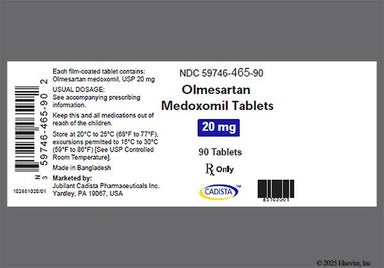
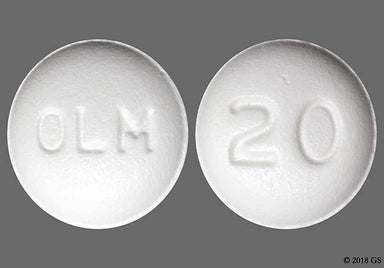
Olmesartan medoxomil (Benicar) is a medication that lowers blood pressure in adults and children ages 6 years and older. It's an angiotensin II receptor blocker (ARB) and works mainly by widening and relaxing your blood vessels to lower pressure. This medication is taken by mouth, typically once per day. People don't usually experience much side effects from olmesartan (Benicar), though some people have reported mild and temporary dizziness.

Olmesartan (Benicar) is an angiotensin II receptor blocker (ARB). Angiotensin II is a hormone that acts on multiple areas in the body. When it acts on the blood vessels, the blood vessels narrow, which raises blood pressure.
Olmesartan (Benicar) blocks angiotensin II in the blood vessels. In doing so, this medication tells the blood vessels to relax, which helps to lower blood pressure.
| Common Brands | Benicar |
|---|---|
| Drug Class | ARB |
| Controlled Substance Classification | Not a controlled medication |
| Generic Status | Lower-cost generic available |
| Availability | Prescription only |

The following side effects may get better over time as your body gets used to the medication. Let your healthcare provider know immediately if you continue to experience these symptoms or if they worsen over time.
Contact your healthcare provider immediately if you experience any of the following.
Along with its needed effects, a medicine may cause some unwanted effects. Although not all of these side effects may occur, if they do occur they may need medical attention.
Check with your doctor immediately if any of the following side effects occur:
Less common
Blood in the urine
body aches or pain
chills
cough or cough producing mucus
difficulty with breathing
ear congestion
headache
loss of voice
runny or stuffy nose
tightness in the chest
unusual tiredness or weakness
Rare
Bladder pain
bloating or swelling of the face, arms, hands, lower legs, or feet
cloudy urine
difficult, burning, or painful urination
fast, pounding, or irregular heartbeat or pulse
frequent urge to urinate
joint pain, stiffness, or swelling
lower back, side, or stomach pain
swelling of the feet or lower legs
Incidence not known
Confusion
dark-colored urine
diarrhea (severe) with weight loss
dizziness
large, hive-like swelling on the face, eyelids, lips, tongue, throat, hands, legs, feet, or sex organs
muscle cramps or spasms
muscle pain or stiffness
nausea or vomiting
weakness or heaviness of the legs
Get emergency help immediately if any of the following symptoms of overdose occur:
Symptoms of overdose
Blurred vision
chest pain or discomfort
dizziness, faintness, or lightheadedness
sweating
Some side effects may occur that usually do not need medical attention. These side effects may go away during treatment as your body adjusts to the medicine. Also, your health care professional may be able to tell you about ways to prevent or reduce some of these side effects. Check with your health care professional if any of the following side effects continue or are bothersome or if you have any questions about them:
Less common
Back pain
flushed, dry skin
fruit-like breath odor
general feeling of discomfort or illness
increased hunger
increased thirst
increased urination
loss of appetite
muscle aches
pain or tenderness around the eyes and cheekbones
shivering
tender, swollen glands in the neck
trouble sleeping
trouble swallowing
unexplained weight loss
Rare
Acid or sour stomach
belching
difficulty with moving
feeling of constant movement of self or surroundings
indigestion
rapid weight gain
rash
sensation of spinning
tingling of the hands or feet
unusual weight gain or loss
Incidence not known
Hair loss or thinning of the hair
lack or loss of strength
redness of the skin
welts
Other side effects not listed may also occur in some patients. If you notice any other effects, check with your healthcare professional.
Call your doctor for medical advice about side effects. You may report side effects to the FDA at 1-800-FDA-1088.




Olmesartan (Benicar) can cause some serious health issues. This risk may be even higher for certain groups. If this worries you, talk to your doctor or pharmacist about other options.
 Olmesartan (Benicar) shouldn't be used in pregnant females because it can cause severe harm and even death to unborn babies. If you find out that you're pregnant while taking olmesartan (Benicar), stop and let your provider know right away. If you're pregnant before starting olmesartan (Benicar) or thinking of becoming pregnant during treatment, discuss with your provider about safer options to treat your blood pressure.
Olmesartan (Benicar) is taken to lower blood pressure. But sometimes, having a lower blood pressure can be dangerous for certain groups of people, especially those who are dehydrated or those who've lost a lot of body fluids through diarrhea, vomiting, or taking water-pills.
Make sure to stay well-hydrated while taking olmesartan (Benicar). If your blood pressure drops too much and you feel dizzy, make sure to sit down slowly while holding onto something and let your provider know.
In some people, olmesartan (Benicar) can cause the kidneys to not work as well. The risk is higher if you have certain types of kidney problems, such as renal artery stenosis or very severe heart failure, or if you're taking other medications that can affect your kidneys. Your provider might order blood tests to make sure your kidneys are healthy and working properly. Let your provider know if you're urinating less often than usual or notice any swelling, as these could be signs that your kidneys aren't working as well.
Olmesartan (Benicar) can raise the amount of potassium in your body. In some people, this can lead to certain symptoms, such as a tingling sensation, nausea, or muscle weakness. The risk is higher if you're taking other medications that can raise your potassium, or if you have certain medical conditions. Your provider might order blood tests to monitor your potassium on a regular basis.
Rarely, people who take olmesartan (Benicar) experience serious diarrhea (sprue-like enteropathy). Sometimes, this happens months to years after starting the medication. In severe cases, the diarrhea can lead to weight loss, stomach pain, tiredness, nausea, and vomiting. If you experience severe diarrhea that doesn't seem to get better after a few day, get medical help right away. Make sure to stay hydrated with fluids and electrolytes.

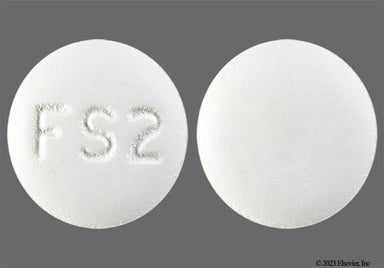
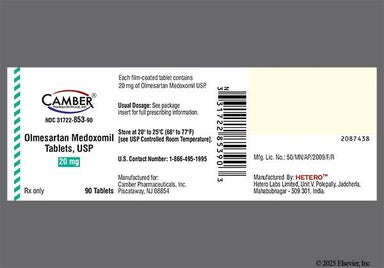
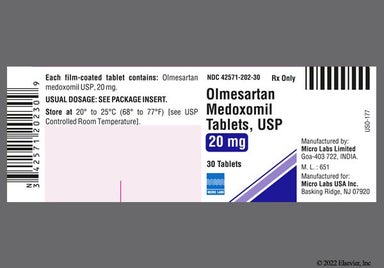
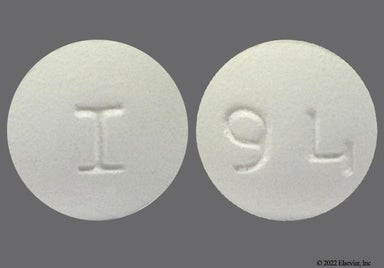
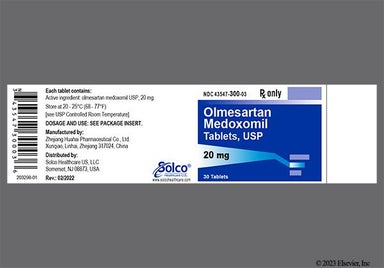
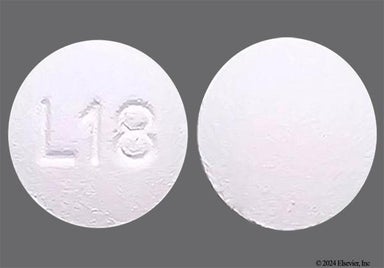
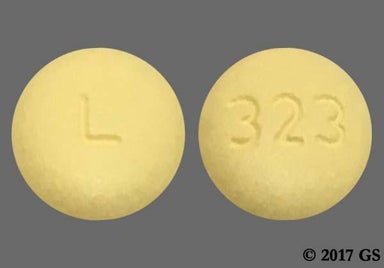
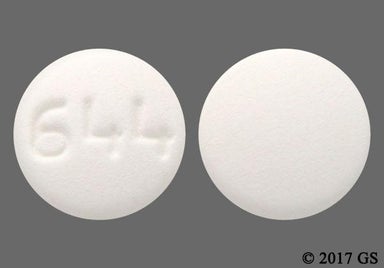
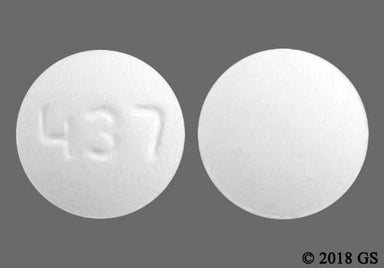
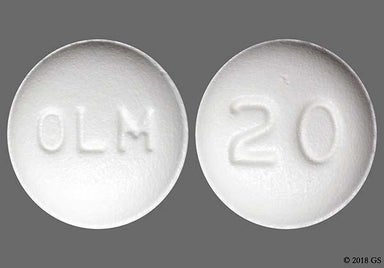
 Tablet
| Dosage | Quantity | Price as low as | Price per unit |
|---|---|---|---|
| 5mg | 90 tablets | $20.96 | $0.23 |
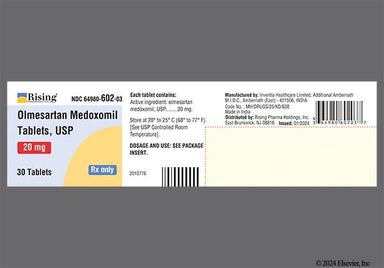
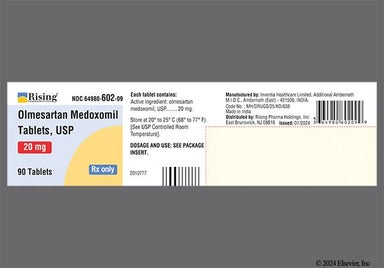
| 20mg | 30 tablets | $11.71 | $0.39 |
| 40mg | 90 tablets | $25.75 | $0.29 |
Adults
Children (6 years and older)

Although certain medicines should not be used together at all, in other cases two different medicines may be used together even if an interaction might occur. In these cases, your doctor may want to change the dose, or other precautions may be necessary. When you are taking this medicine, it is especially important that your healthcare professional know if you are taking any of the medicines listed below. The following interactions have been selected on the basis of their potential significance and are not necessarily all-inclusive.
Using this medicine with any of the following medicines is not recommended. Your doctor may decide not to treat you with this medication or change some of the other medicines you take.
Using this medicine with any of the following medicines is usually not recommended, but may be required in some cases. If both medicines are prescribed together, your doctor may change the dose or how often you use one or both of the medicines.
Using this medicine with any of the following medicines may cause an increased risk of certain side effects, but using both drugs may be the best treatment for you. If both medicines are prescribed together, your doctor may change the dose or how often you use one or both of the medicines.


Contraindications are specific health conditions or situations in which a person should not take a medication due to safety concerns. If you have any of the following conditions or if any of the following apply to you, let your healthcare provider know because Olmesartan (Benicar) will not be safe for you to take.









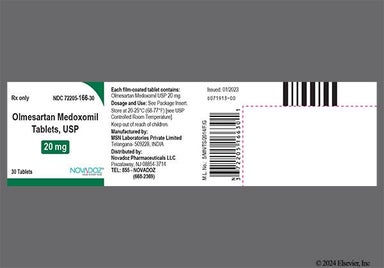
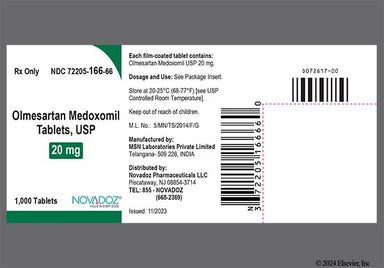
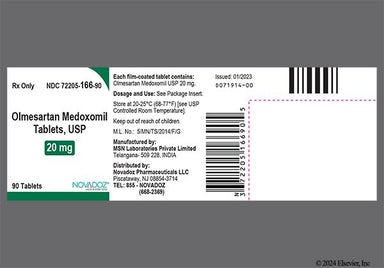
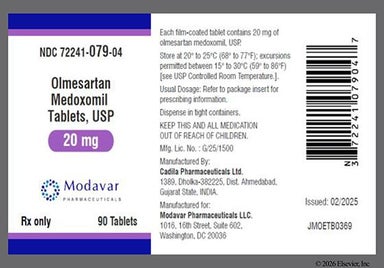
Prescription savings
Stop paying too much for your prescriptions. Compare prices, get pharmacy coupons, and save up to 80%. Find expert answers to your health questions so you can make the best decisions for yourself and your family.
Health conditions
Medications & treatment
Access & affordability
Medication discounts

No, Olmesartan is neither a beta blocker nor a diuretic (water pill). But rather, it's an angiotensin II receptor blocker (ARB). While all three classes of medications are used to lower blood pressure, they do so in different ways. Beta blockers work by acting on the heart and blood vessels, while diuretics do so by telling the body to get rid of more fluids. Olmesartan lowers blood pressure by relaxing the blood vessels. If you're taking Olmesartan, your provider might consider adding on a beta blocker or diuretic, depending on factors like what other medical conditions you have and how high your blood pressure is.
When you first start Olmesartan, you might notice a drop in your blood pressure within a day after your first dose. But it typically takes about 2 weeks to see the full blood pressure-lowering effect of the medication. If your blood pressure is still high after this time, your provider might raise your dose and it'll take another 2 weeks to see the full effects of the new dose. To keep track of how well Olmesartan is work, measure your blood pressure regularly at home. You're recommended to share the blood pressure numbers with your provider at your appointments so they can better care for your health.
It takes about 2-3 days for most of Olmesartan to leave your body. This timeframe is estimated based on the half-life of Olmesartan. Because Olmesartan is cleared from your body by the liver and through urine, this medication can stay in your body longer if you have liver or kidney problems. If you're concerned about how long Olmesartan stays in your system, talk with your provider.
Olmesartan is typically prescribed just once per day. A small study looked into how well Olmesartan worked at controlling blood pressure if you take it once a day versus twice a day. Results showed that the twice-daily dosing doesn't control blood pressure better compared to once-daily dosing. Talk with your provider if you've more questions about how to take Olmesartan.
Olmesartan isn't likely to cause significant change in heart rate. People didn't report low heart rate as a side effect of this medication during clinical studies.
No, erectile dysfunction (ED) wasn't reported as a side effect by males who took Olmesartan in clinical studies. While certain blood pressure medications are linked to ED, you're unlikely to experience it with Olmesartan. If you're concerned about ED and blood pressure medications, talk to your provider.
No, people who took Olmesartan during clinical studies didn't report weight gain as a side effect. Speak with your provider if you experience unusual or unexpected weight gain while you're taking Olmesartan. They can try to help you figure out the cause behind the weight gain.
