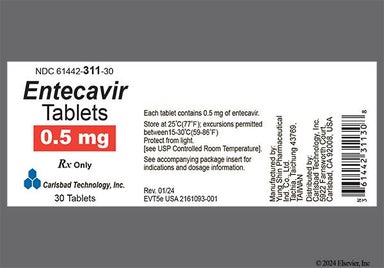
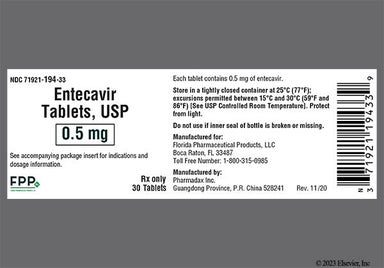
Entecavir (Baraclude) is a first-choice antiviral medication used for the treatment of hepatitis B. Some side effects of the medication can include headache and fatigue. Entecavir (Baraclude) is available as a tablet and a liquid solution that are typically taken once daily. While both forms of the medication have a brand name, only the tablet has a generic version available as well.
The following side effects may get better over time as your body gets used to the medication. Let your healthcare provider know immediately if you continue to experience these symptoms or if they worsen over time.
The following Entecavir (Baraclude) side effects have also been reported
Along with its needed effects, a medicine may cause some unwanted effects. Although not all of these side effects may occur, if they do occur they may need medical attention.
Check with your doctor immediately if any of the following side effects occur:
puffiness or swelling of the eyelids or around the eyes, face, lips, or tongue
right upper abdominal or stomach pain and fullness
sleepiness
tightness in the chest
unusual tiredness or weakness
Some side effects may occur that usually do not need medical attention. These side effects may go away during treatment as your body adjusts to the medicine. Also, your health care professional may be able to tell you about ways to prevent or reduce some of these side effects. Check with your health care professional if any of the following side effects continue or are bothersome or if you have any questions about them:
Take entecavir (Baraclude) once a day on an empty stomach at least 2 hours after a meal and 2 hours before your next meal. Food can affect how well this medication works, so taking it on an empty stomach is important for treating your hepatitis B virus.
For the liquid solution: Use the dosing spoon that comes with the medication, and follow the directions to measure the dose accurately. Rinse the spoon after each use, and let it air dry. Don't mix the medication with water or any other liquids. The liquid can be used up until the expiration date on the bottle.
Keep your regularly scheduled clinic and lab appointments. This will help your provider make sure that entecavir (Baraclude) is working well against the virus and check for side effects.
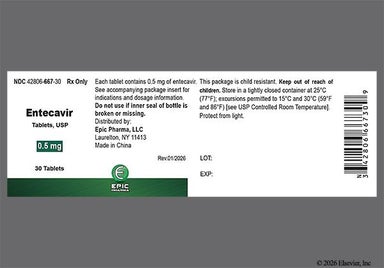
Store the entecavir (Baraclude) tablets and liquid solution at room temperature. Make sure to close the bottle tightly after each use to protect the medication from moisture. Keep the bottle in the outer carton to protect it from light.
Risks and warnings for Entecavir (Baraclude)
Entecavir (Baraclude) can cause some serious health issues. This risk may be even higher for certain groups. If this worries you, talk to your doctor or pharmacist about other options.
Worsening of hepatitis B after stopping treatment
Risk factors: Hepatitis B virus | Stopping entecavir (Baraclude)
Don't stop taking entecavir (Baraclude) unless instructed by your healthcare provider. Your hepatitis B could come back and get worse if you stop your treatment. If you have severe liver damage, your liver health could get worse as well. If you're instructed to stop entecavir (Baraclude), make sure you get your blood tests done regularly, especially during the first few months after stopping. This is how your provider will check your liver health and HBV infection.
Hepatitis B and HIV co-infection
Risk factors: HIV infection
Your provider will test you for HIV before you start entecavir (Baraclude) and periodically while you're taking the medication. Having undiagnosed or untreated HIV while taking HBV treatment can potentially cause HIV drug resistance and make the HIV infection harder to treat. For this reason, entecavir (Baraclude) isn't recommended for people who have both HBV and untreated HIV. We currently don't know if entecavir (Baraclude) can be used to treat HIV. If you happen to have hepatitis B and HIV, your provider will recommend a medication regimen that works well to treat both infections.
Lactic acidosis and liver problems
Risk factors: Obesity | Women | History of liver problems
Although rare, NRTIs, including entecavir (Baraclude), can cause life-threatening problems like lactic acidosis (too much lactic acid in the blood) and fatty liver disease. Most cases of these problems have happened in women. Risk factors can also include obesity, long-term NRTI use, and poor liver health. Symptoms of lactic acidosis include extreme tiredness, sudden weakness, and fast and shallow breathing, while symptoms of fatty liver disease can include stomach pain. Stop taking entecavir (Baraclude) and go to the emergency room right away if this happens.
Entecavir (Baraclude) dosage
The average cost for 30 tablets of 0.5mg of Entecavir (Baraclude) is $20.40 with a free GoodRx coupon. This is 98.22% off the average retail price of $1,146.44.
Interactions between Entecavir (Baraclude) and other drugs
Entecavir (Baraclude) may interact with certain medications or supplements. Always let your doctor and pharmacist know about any other medications or supplements (including prescribed and over-the-counter medications, vitamins, and dietary or herbal supplements) that you are currently taking. The list below does not include all possible drug interactions with Entecavir (Baraclude). Please note that only the generic name of each medication is listed below.
Although certain medicines should not be used together at all, in other cases two different medicines may be used together even if an interaction might occur. In these cases, your doctor may want to change the dose, or other precautions may be necessary. Tell your healthcare professional if you are taking any other prescription or nonprescription (over-the-counter [OTC]) medicine.
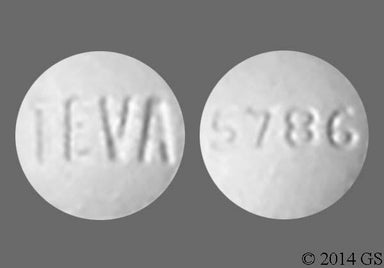
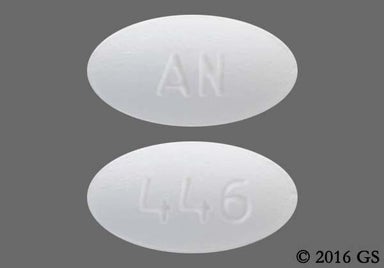
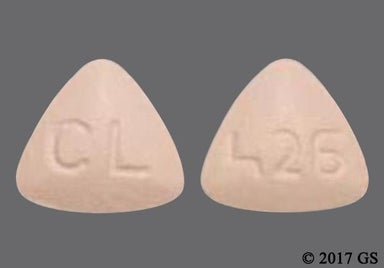
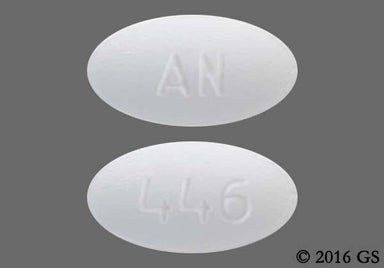
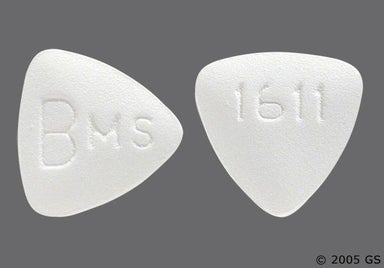
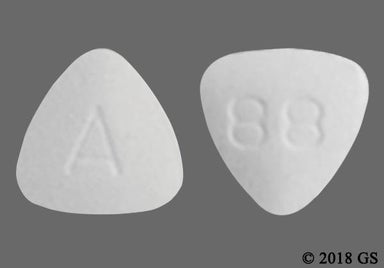
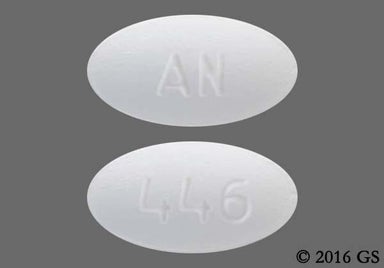
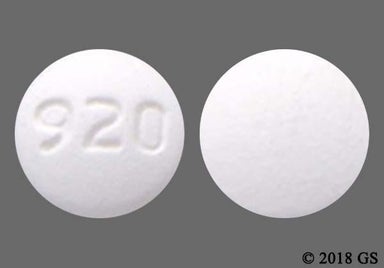
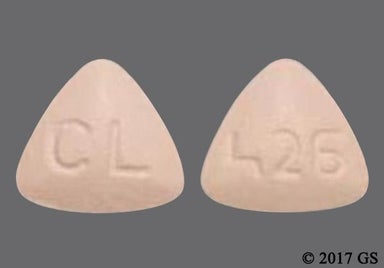
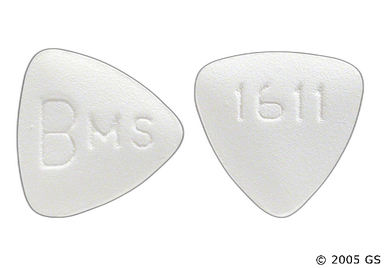
This medicine is White, Round Tablet Imprinted With "Teva", "5786".White Round TEVA - Entecavir 0.5mg TabletThis medicine is White, Oval Tablet Imprinted With "An", "446".White Oval 446 - Entecavir 0.5mg TabletThis medicine is White, Triangle Tablet Imprinted With "Cl", "426".White Triangle 426 - Entecavir 0.5mg TabletThis medicine is White, Oval Tablet Imprinted With "An", "446".White Oval 446 - Entecavir 0.5mg TabletThis medicine is White, Round Tablet Imprinted With "C1".White Round C1 - Entecavir 0.5mg TabletThis medicine is White, Triangle Tablet Imprinted With "Bms", "1611".White Triangle 1611 - Entecavir 0.5mg TabletThis medicine is White, Triangle Tablet Imprinted With "A", "88".White Triangle 88 - Entecavir 0.5mg TabletThis medicine is White, Triangle Tablet Imprinted With "222", "Ysp".White Triangle YSP - Entecavir 0.5mg TabletThis medicine is White, Oval Tablet Imprinted With "An", "446".White Oval 446 - Entecavir 0.5mg TabletThis medicine is White, Round Tablet Imprinted With "920".White Round 920 - Entecavir 0.5mg TabletThis medicine is White, Triangle Tablet Imprinted With "426", "Cl".White Triangle 426 - Entecavir 0.5mg TabletThis medicine is White, Round Tablet Imprinted With "P", "57".White Round 57 - Entecavir 0.5mg Tablet
GoodRx Health has strict sourcing policies and relies on primary sources such as medical organizations, governmental agencies, academic institutions, and peer-reviewed scientific journals. Learn more about how we ensure our content is accurate, thorough, and unbiased by reading our editorial guidelines.
Prescription savings
Stop paying too much for your prescriptions. Compare prices, get pharmacy coupons, and save up to 80%.
No, there are currently no antiviral treatment options available that can cure hepatitis B. However, proper treatment can help control the virus in the body and lower the risk of serious liver damage. It's important that you continue to take Entecavir as prescribed. Stopping the medication too soon or missing doses can make the hepatitis B virus come back and possibly be harder to treat.
You should continue to take Entecavir as long as your provider instructs you to. We don't exactly know what the ideal amount of time you should take the medication for your HBV infection is. But studies show that many people have taken Entecavir for several years without problems. Remember to get your blood tests done on time when your provider orders them. These blood tests help your provider see how well Entecavir is working to stop the hepatitis B virus from growing and to check your liver. Discuss with your provider about how long you'll need to take Entecavir.
You can take Entecavir at any time of the day. But make sure to take it at around the same time every day. You'll need to take Entecavir on an empty stomach. So, try to choose a time of day that's usually between meal times (at least 2 hours after a meal and 2 hours before your next meal). Speak with your provider or pharmacist if you're having trouble finding a good time for you to take Entecavir during the day.
Both Entecavir and tenofovir (Viread) are first-choice medications for treating hepatitis B. Studies suggest that the two medications work equally well to control the virus. They also both have generally tolerable side effects and a low risk of resistance (when the virus no longer responds to treatment). Speak with your provider if you have questions about how these two medications compare and which medication might be right for you.
If your HBV is difficult to treat, it's possible that your provider might ask you to take Entecavir along with tenofovir (Viread). Make sure to get your blood tests done so your provider can track how well Entecavir is working against the virus and see if you need a change to your treatment plan.
Yes, the two forms of Entecavir are interchangeable. This means that if someone is taking the liquid solution and gets switched to the tablets, their dose will remain the same. This also applies if someone is switching from the tablets to the liquid solution. Both forms of the medication need to be taken on an empty stomach.
We don't know if alcohol directly interacts with Entecavir. However, it's best to avoid alcohol if you have hepatitis B to protect your liver.




 Don't stop taking entecavir (Baraclude) unless instructed by your healthcare provider. Your hepatitis B could