aspirin / omeprazole DR
Yosprala (aspirin / omeprazole) is a combination medication used to prevent stomach ulcers in people who need to take aspirin to lower the risk of a repeat heart attack or stroke. It's available as a lower-cost generic medication, but it has some serious risks.


What is Yosprala (aspirin / omeprazole)?
What is Yosprala (aspirin / omeprazole) used for?
- Prevention of a repeat heart attack or stroke in people at risk for developing aspirin-related stomach ulcers (e.g., age 55 years or older, history of stomach ulcers)
How Yosprala (aspirin / omeprazole) works
Yosprala (aspirin / omeprazole) is a combination of two medications.
- Aspirin is a nonsteroidal anti-inflammatory drug (NSAID). It blocks a protein in your body called cyclooxygenase (COX). Normally, the COX protein helps blood cells called platelets stick together, forming clots to stop the bleeding where your body is injured. Sometimes, these clots can block blood flow in your blood vessels, which can lead to a heart attack or stroke. By blocking your platelets from clumping together and forming dangerous blood clots, aspirin can help lower your risk of a repeat heart attack or stroke.
- Omeprazole is a proton pump inhibitor (PPI). It lowers the amount of acid in your stomach by blocking the final step of stomach acid production. This helps prevent stomach ulcers that can be caused by NSAIDs like aspirin.
Drug facts
| Common Brands | Yosprala |
|---|---|
| Drug Class | NSAID / PPI |
| Controlled Substance Classification | Not a controlled medication |
| Generic Status | Lower-cost generic available |
| Availability | Prescription only |

Side effects of Yosprala (aspirin / omeprazole)
The following side effects may get better over time as your body gets used to the medication. Let your healthcare provider know immediately if you continue to experience these symptoms or if they worsen over time.
Common Side Effects
- Stomach upset (18%)
- Nausea (3%)
- Diarrhea (3%)
*Side effects above seen in people taking 325 mg/40 mg (aspirin/omeprazole)
Less Common Side Effects
- Chest pain
- Stomach polyps (small abnormal growths inside of your stomach that don't typically cause symptoms)
Yosprala (aspirin / omeprazole) serious side effects
Contact your healthcare provider immediately if you experience any of the following.
- Bleeding: unexplained bruising, bruising that doesn't go away, bleeding that takes a long time to stop (e.g., from nosebleeds or from your gums), blood in your urine or stool
- Stomach bleeding: vomit that looks like coffee grounds or has blood in it, stools that are bloody or black and sticky
- Kidney damage: not urinating as often as usual, fever, muscle weakness, nausea, loss of appetite
- Serious allergic reaction: rash, hives, difficulty breathing, swelling of face, lips, tongue, or throat

Pros and cons of Yosprala (aspirin / omeprazole)
Pros
- Combines two medications into one pill
- Only taken once a day
- Lowers risk of stomach ulcers while taking aspirin
- Helps to prevent serious heart problems in people who've had a heart attack or stroke
- Available as a lower-cost generic
Cons
- Can still have risk of stomach ulcers and bleeding from aspirin component
- Might worsen asthma symptoms
- Need to avoid alcohol while taking it to lower risk of stomach issues
- Long-term use can weaken your bones and cause low vitamin B12 and magnesium levels.
- Not safe if you have liver or kidney problems

Pharmacist tips for Yosprala (aspirin / omeprazole)

- Let your provider know about all of the medications you're taking (prescription, over-the-counter, and supplements). They can make sure all your medications are safe for you to take, since Yosprala (aspirin / omeprazole) can interact with many medications. Yosprala (aspirin / omeprazole) can affect the way certain medications work, like clopidogrel (Plavix) and ticagrelor (Brilinta), which can lead to serious heart problems (heart attack, stroke). On the other hand, some medications (e.g., St. John's Wort, rifampin (Rifadin)) can make Yosprala (aspirin / omeprazole) not work as well to lower the risk of stomach ulcers.
- Don't split, chew, crush, or dissolve Yosprala (aspirin / omeprazole) tablets. Swallow the tablets whole with liquid to make sure the medication doesn't get damaged. The tablets are made to release aspirin slowly into your body.
- Don't stop taking Yosprala (aspirin / omeprazole) without speaking to your provider, since this can lead to serious heart problems.
- Avoid alcohol while taking Yosprala (aspirin / omeprazole), since it can raise your risk of stomach issues.
- Breastfeeding isn't recommended while taking Yosprala (aspirin / omeprazole), since it can pass into breast milk and might harm your baby. Discuss safe treatment options with your provider if you choose to breastfeed.
- Yosprala (aspirin / omeprazole) can affect your ability to become pregnant (fertility) in women by delaying or preventing ovulation (release of eggs from the ovaries). Once you stop the medication, this effect goes away. If you're trying to get pregnant, let your provider know.
- Don't use Yosprala (aspirin / omeprazole) as aspirin treatment during the onset of a heart attack. Yosprala (aspirin / omeprazole) is a special delayed-release form that releases aspirin into your body slowly. But during a heart attack, you need to use an immediate-release form of aspirin (e.g., chewable) so that it gets released into your body quickly.

Risks and warnings for Yosprala (aspirin / omeprazole)
Yosprala (aspirin / omeprazole) can cause some serious health issues. This risk may be even higher for certain groups. If this worries you, talk to your doctor or pharmacist about other options.
Risk of bleeding and stomach irritation, bleeding, and ulcers
- Risk factors: History of stomach bleeding or ulcers | Genetic bleeding problems | Liver disease | Vitamin K deficiency | Taking other medications that can raise the risk of bleeding | Alcohol use | Age 55 years or older | Taking 325 mg of aspirin or greater for a long time | Taking higher doses of Yosprala (aspirin / omeprazole) than instructed
Yosprala (aspirin / omeprazole) can irritate your stomach or intestines, which can feel like stomach pain or heartburn. It can also lead to serious stomach problems, including swelling, bleeding, and ulcers in the stomach or intestines. Your bleeding risk is higher if you drink alcohol, especially if you have three or more alcoholic drinks every day or drink regularly or heavily. The risk of bleeding is also higher if you're taking blood thinners like warfarin (Coumadin) or other NSAIDs (e.g., ibuprofen (Advil, Motrin), naproxen (Aleve)) with Yosprala (aspirin / omeprazole), since they can also cause bleeding. If you have stomach pain that doesn't get better, vomit blood or bits that look like coffee grounds, or have bloody or black, tarry stools, let your provider know right away. These might be signs of stomach bleeding or a stomach ulcer.
Yosprala (aspirin / omeprazole) can make it take longer for your body to stop bleeding, since it affects how your platelets work. If you notice unexplained bruising, bleeding that takes a long time to stop (e.g., from nosebleeds or from your gums), or blood in your urine or stool, contact your provider right away.
Kidney or liver damage
- Risk factors: History of kidney problems | Taking Yosprala (aspirin / omeprazole) for a long time | Moderate to high doses of aspirin
Yosprala (aspirin / omeprazole) can cause kidney damage at any time while you're taking the medication. The risk is especially high if you have a history of kidney problems or if you're taking Yosprala (aspirin / omeprazole) for a long period of time. Stop taking Yosprala (aspirin / omeprazole), and let your provider know if you're not urinating as often as usual or have fever, muscle weakness, nausea, or loss of appetite. These can be signs of kidney damage.
Yosprala (aspirin / omeprazole) can cause liver damage that usually goes away after stopping it. Your risk is higher when you take moderate to high doses of aspirin for a long period of time. Avoid this medication if you have liver problems.
Bone fractures
- Risk factors: History or at risk of osteoporosis | Taking a higher dose than prescribed | Long-term use
Yosprala (aspirin / omeprazole) might raise your risk of getting bone fractures (at the hip, wrist, or spine). Your risk is higher if you're taking the medication for more than 1 year, taking a higher dose of Yosprala (aspirin / omeprazole) than prescribed, or taking PPIs multiple times a day. If you have or are at risk of osteoporosis (bone weakening), discuss with your provider about ways to keep your bones healthy and if you need to take vitamin D and calcium supplements while taking this medication.
Lupus
PPIs like the omeprazole in Yosprala (aspirin / omeprazole) can cause new or worsening lupus. Lupus is an autoimmune disease that can cause frequent fevers, tiredness, rash, or joint pain. Lupus can develop anytime while taking PPIs daily. If you notice any symptoms of lupus, stop Yosprala (aspirin / omeprazole) and contact your provider. Symptoms of lupus should improve within 4 to 12 weeks after stopping the medication.
Low vitamin B12 and magnesium levels
- Risk factors: Taking Yosprala (aspirin / omeprazole) for a long period of time | Taking other medications that cause low magnesium (e.g., digoxin (Lanoxin), diuretics or water pills)
In some rare cases, Yosprala (aspirin / omeprazole) can cause low levels of blood vitamin B12 or magnesium due to the omeprazole in it. This can happen with as little as 3 months of use, but more commonly occurs after you've been using Yosprala (aspirin / omeprazole) for a year or more. Your risk for low magnesium is higher if you're taking other medications that can cause low magnesium levels, like digoxin (Lanoxin) or furosemide (Lasix). Signs of low magnesium include irregular heart rate, muscle cramps, and tremors. Signs of low vitamin B12 include weakness, tiredness, "pins and needles" feeling in your hands and feet, dizziness, headaches, and pale skin. If you notice any of these symptoms, let your provider know. Your healthcare provider can do a blood test to see if you need to take a vitamin B12 or magnesium supplement while taking Yosprala (aspirin / omeprazole).
Harm to your unborn baby
- Risk factors: At 20 weeks or later in pregnancy | Taking 325 mg of Yosprala (aspirin / omeprazole) or greater
If you're pregnant and at 20 weeks of pregnancy or later, don't take Yosprala (aspirin / omeprazole). Taking aspirin doses that are 325 mg or higher at 20 weeks of pregnancy or later can cause developmental problems in your unborn baby's kidneys. It can also lower the level of fluid in your belly (oligohydramnios), which can affect your unborn baby's lung development. In addition, taking aspirin at 30 weeks of pregnancy or later can cause developmental problems in your unborn baby's heart. Discuss the risks and benefits of taking Yosprala (aspirin / omeprazole) during pregnancy with your provider.
Severe allergic or skin reactions
Yosprala (aspirin / omeprazole) can cause serious allergic or skin reactions that can lead to death. If you experience any fever, rash, peeling or blistering of your skin, swollen lymph nodes, or facial swelling, stop taking this medication right away and get medical attention as soon as possible.

Yosprala (aspirin / omeprazole) dosage
 Tablet
| Dosage | Quantity | Price as low as | Price per unit |
|---|---|---|---|
| 325mg/40mg | 30 tablets | $1,438.90 | $47.96 |

How much does Yosprala (aspirin / omeprazole) cost?
$1,438.90

Yosprala (aspirin / omeprazole) contraindications
Contraindications are specific health conditions or situations in which a person should not take a medication due to safety concerns. If you have any of the following conditions or if any of the following apply to you, let your healthcare provider know because Yosprala (aspirin / omeprazole) will not be safe for you to take.
- Allergy to NSAIDs
- Triad of asthma, rhinitis (runny nose, sneezing, itching), and nasal polyps
- Children or teenagers with suspected viral infections due to risk of Reye's syndrome
- Taking medications containing rilpivirine
- First dose for heart attack symptoms

What are alternatives to Yosprala (aspirin / omeprazole)?

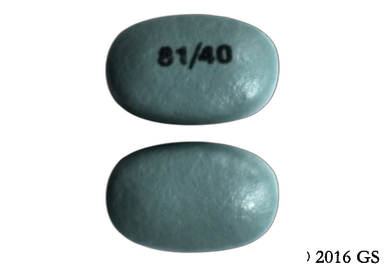
Yosprala (aspirin / omeprazole) images