Key takeaways:
Amlodipine (Norvasc, Katerzia, Norliqva) is a medication used to treat hypertension (high blood pressure) and coronary artery disease. Swelling, fatigue, and flushing are some of the most common side effects of amlodipine.
Some amlodipine side effects, such as swelling and dizziness, are more common with higher doses. And others, such as a fast or irregular heartbeat, have been reported more frequently among women than men.
Rare but serious amlodipine side effects include severely low blood pressure, shortness of breath, and chest pain. Seek immediate medical help if you’re experiencing serious side effects.
Save on related medications
Amlodipine (Norvasc, Katerzia, Norliqva) is a common medication used to treat hypertension (high blood pressure). In fact, it’s one of the first-choice medication options for the condition. It’s also FDA approved to treat certain types of angina (chest pain) and coronary artery disease (CAD).
Amlodipine belongs to a medication class called calcium channel blockers. It lowers your blood pressure by causing blood vessels to relax and widen throughout your body. This also helps with chest pain, since your heart doesn’t have to pump as hard.
Even though it’s commonly used, is amlodipine safe? It’s known to cause bothersome side effects such as swelling, fatigue, and dizziness. But how common are amlodipine side effects, and is there anything you can do about them?
Search and compare options
Amlodipine side effects at a glance
Amlodipine is generally tolerated well. Most amlodipine side effects are mild and many improve as your body adjusts to the medication. While rare, serious side effects can happen. So it’s good to know about them and what to do if they occur.
Common or mild amlodipine side effects include:
Peripheral edema (swelling of the legs and ankles)
Flushing
Heart palpitations (pounding or racing heartbeats)
Fatigue
Nausea
Dizziness
Stomach pain
Drowsiness
Less common, but generally still mild, amlodipine side effects reported by people in clinical trials include:
Weight gain
Increased urination
Sexual problems, including erectile dysfunction
Muscle tremors or stiffness
Headache
Bleeding gums
Rare but serious amlodipine side effects and risks include:
Shortness of breath
Severely low blood pressure
Worsening chest pain and heart attack in certain people
Pancreatitis (swelling of the pancreas)
Allergic reactions
Below are details about 14 notable amlodipine side effects, plus ways to manage them.
Good to know: The most commonly prescribed form of amlodipine is an oral tablet. But the medication also comes as two different oral liquids (brand names Katerzia and Norliqva). Side effects are similar for all forms of amlodipine.
1. Swelling in your legs or ankles
Swelling of the legs or ankles is one of the most common amlodipine side effects. It happens because amlodipine dilates your blood vessels, which improves blood flow. But this can put pressure on smaller blood vessels (called capillaries), causing fluid to leak out into surrounding tissues. When it occurs, swelling usually happens in both legs.
Swelling is more likely to happen with higher doses of amlodipine (10 mg daily). And women were about 2 to 3 times more likely to report swelling compared to men during clinical trials.
Talk to your prescriber if you experience swelling from amlodipine. They can determine if it’s likely from your medication or something else. Keep in mind that many other medications and health conditions can cause swelling in your legs, too.
They may recommend elevating your legs periodically throughout the day or trying compression socks. Other options may include lowering your amlodipine dose or switching you to a different medication.
2. Fatigue or drowsiness
Amlodipine may make you feel tired or fatigued. Unlike certain other side effects, this doesn’t seem to be related to the dose you’re taking. Less commonly, amlodipine can sometimes cause drowsiness.
It’s common for blood pressure medications to make people feel tired. Fatigue may improve over time as your body adjusts to the medication.
Most people take amlodipine once a day. If it’s making you tired or sleepy, try taking your dose in the evening. This may help limit daytime fatigue or drowsiness. Exercising regularly and making heart-healthy food choices can also help support daytime energy levels.
Tell your prescriber if fatigue or drowsiness is bothersome, or if it’s accompanied by other symptoms, such as shortness of breath or chest pain. These are potential symptoms of more serious amlodipine side effects.
3. Dizziness
Dizziness is another amlodipine side effect that’s more likely to happen with higher doses. You may also notice some dizziness as your body adjusts to the blood pressure changes from amlodipine, especially within the first few days of taking it. This should improve over time.
You may feel dizzy when you go from lying down or sitting to standing up. So be careful when changing positions. If you’re feeling dizzy, sit or lie down until the feeling passes. Be sure to drink enough fluids throughout the day, since dehydration can worsen dizziness.
Tell your prescriber right away if your dizziness becomes persistent or bothersome. This may be a sign that your amlodipine dose is too high, or that other medications you take need to be adjusted.
4. Weight gain
Amlodipine doesn’t typically cause weight gain. But you may notice changes in your body weight if your body is retaining more fluid. As mentioned above, this can show up as swelling in your legs or ankles.
If you have heart failure, weight gain — especially if it happens over a short period of time — can be concerning. This can be a sign that your heart isn’t pumping well enough, causing fluid buildup in your body. Report any rapid or significant changes in your weight to your healthcare team while taking amlodipine.
5. Fast or irregular heartbeat
Fast or irregular heartbeats (palpitations) are a possible side effect of amlodipine. When it happens, your chest may feel like it’s pounding or fluttering. During clinical trials, women were more than twice as likely to report palpitations compared to men. It’s also more likely to happen with higher doses.
Tell your prescriber right away if your palpitations are lasting longer than normal or start happening more often. Seek immediate medical attention if they’re accompanied by other symptoms, such as shortness of breath, chest pain, or loss of consciousness.
6. Nausea or stomach pain
Many medications can cause nausea, and amlodipine is no exception. Stomach pain is also possible. But this is usually mild and rarely causes vomiting.
You can take amlodipine with or without food. If you’re feeling nauseated after you take a dose, try taking it with food next time.
7. Flushing (redness of neck, face, chest, or arms)
Flushing is possible while taking amlodipine. It can cause your skin to look red or feel warm to the touch. Some people experience it as a result of blood vessels widening.
Flushing is more likely to happen with higher doses of amlodipine. And women were also three times more likely to report flushing than men during clinical trials.
As with several other amlodipine side effects, flushing should improve over time.
8. Erectile dysfunction
You’re not alone if you’re wondering, “Does amlodipine cause erectile dysfunction?” It’s a common question. While uncommon, some people have reported erectile dysfunction (ED) while taking amlodipine. However, it’s important to note that ED can have many other causes, including high blood pressure. And ED is more likely with other blood pressure medications, such as thiazide diuretics and beta blockers.
If you’re experiencing ED after starting amlodipine, let your healthcare team know. They can help determine the underlying cause(s) and best next steps.
Keep in mind that ED medications like Viagra (sildenafil) can interact with amlodipine, causing your blood pressure to drop. Check with your healthcare team before taking an ED medication with amlodipine.
9. Increased urination
Urination problems are possible with calcium channel blockers, including amlodipine. This is because they can interfere with how your bladder fills, contracts, and empties. You may notice that you need to pee more frequently or that you’re getting up at night to use the bathroom.
People with benign prostate hyperplasia (BPH) may be more likely to experience urination problems with amlodipine. But this can happen to anyone taking the medication. Talk to your prescriber if this side effect starts affecting your quality of life. They may adjust your dosage or suggest an alternative medication.
10. Abdominal pain
Although it’s not particularly common, amlodipine can cause abdominal pain. In most cases, this is mild and resolves on its own.
In rare cases, severe stomach pain could be a symptom of pancreatitis. Seek immediate medical help if you’re having stomach pain with other symptoms, such as vomiting, fever, or jaundice (yellowing of skin and eyes). Acute pancreatitis can be life-threatening.
11. Low blood pressure
Amlodipine is supposed to lower your blood pressure. But sometimes, it may lower it too much. This is called hypotension. And it’s possible with any blood pressure medication.
Hypotension is more likely to happen with high amlodipine doses, or if you take amlodipine with other blood pressure medications.
Common symptoms of low blood pressure include blurred vision and feeling lightheaded or dizzy. A fast or irregular heart rate, confusion, and fainting are more serious symptoms that warrant emergency medical care.
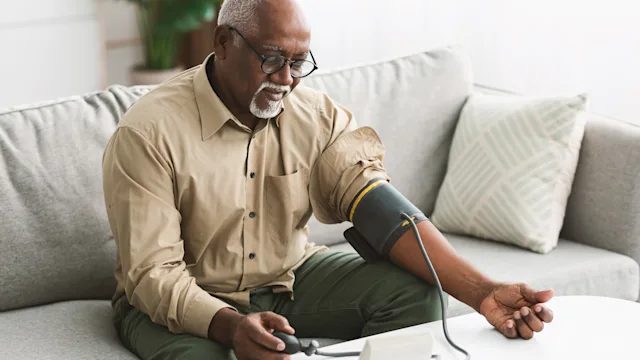
When you first start taking amlodipine, your prescriber may ask you to occasionally check your blood pressure at home. If they do, ask them what an ideal blood pressure range is for you. And be sure to tell them if your numbers are too low (or too high). Your prescriber may suggest dose changes to one or more of your medications. But don’t try to adjust your amlodipine dosage without their OK.
12. Worsening chest pain or heart attack
In rare cases, amlodipine can worsen chest pain, or even raise the risk of a heart attack. This risk seems to be highest in people with severe CAD after starting amlodipine or raising their dose.
Despite these rare risks, amlodipine has been shown to lower the risk of serious cardiovascular events, including heart attacks.
Call 911 or seek immediate medical attention if you experience new or worsening chest pain.
13. Shortness of breath
Shortness of breath has been reported by some people taking amlodipine. There are a few things to keep in mind if this happens while taking amlodipine.
Exercise: Blood pressure medications can make you feel more tired than usual. And some can slow your heart rate, including amlodipine. So you may experience more breathlessness while exercising. Talk to your healthcare team about how to safely incorporate exercise into your routine.
Allergic reaction: While rare, it’s possible to be allergic to amlodipine or any of its inactive ingredients. In severe cases, this could cause a reaction called anaphylaxis. Shortness of breath is one of many possible anaphylaxis symptoms. Call 911 if you’re experiencing trouble breathing, along with swelling of the mouth, tongue, or throat.
Chest pain or heart attack: Shortness of breath that happens with severe or worsening chest pain can indicate something more serious, such as a heart attack.
Tell your prescriber if you experience persistent shortness of breath while taking amlodipine. Get emergency medical attention if it’s severe, especially when accompanied by symptoms such as chest pain.
14. BRASH syndrome
In rare cases, amlodipine can cause a serious complication called BRASH syndrome. “BRASH” stands for the condition’s five hallmark symptoms:
Bradycardia (slow heart rate)
Renal (kidney) failure
AV node blockade (a problem with your heart’s conduction system)
Shock (a sudden drop in blood flow)
Hyperkalemia (high potassium levels)
This side effect is more likely to affect older adults living with heart and kidney problems. BRASH syndrome can be difficult to diagnose because its symptoms can mimic other amlodipine side effects.
If you notice your heartbeat becoming very slow or uneven, and you start to feel lightheaded or faint, get medical help right away. If any symptoms feel severe or life-threatening, call 911 or go to the nearest ER. If caught early enough, BRASH syndrome is reversible. But if left untreated, it can be fatal.
Frequently asked questions
There are a few ways to manage swelling from amlodipine. Examples include:
Elevating your legs throughout the day
Incorporating more movement into your daily routine to prevent fluids from pooling in your legs and ankles
Wearing compression socks to help push fluids out of your legs
Eating less salt, since it can cause you to hold onto more fluid
There aren’t any foods or drinks that you need to avoid entirely while taking amlodipine. But there are foods and beverages that you may want to limit to help support a healthy blood pressure, including:
Salty foods, such as pizza, chips, and condiments
Ultra-processed foods, such as packaged snacks, ready-made meals, and fast foods
Cured meats and cheese
Caffeinated beverages, such as energy drinks
Sugary foods, such as baked goods and ice cream
If you think you’ve taken too much amlodipine, contact your prescriber right away. You can also contact Poison Control for guidance at 1-800-222-1222 or online. Go to the nearest ER if your symptoms feel severe or life-threatening. Possible symptoms of an amlodipine overdose can include:
Very low blood pressure
Confusion
Difficulty breathing
Fast, slow, or irregular heartbeats
Slurred speech
Nausea and vomiting
There are a few ways to manage swelling from amlodipine. Examples include:
Elevating your legs throughout the day
Incorporating more movement into your daily routine to prevent fluids from pooling in your legs and ankles
Wearing compression socks to help push fluids out of your legs
Eating less salt, since it can cause you to hold onto more fluid
There aren’t any foods or drinks that you need to avoid entirely while taking amlodipine. But there are foods and beverages that you may want to limit to help support a healthy blood pressure, including:
Salty foods, such as pizza, chips, and condiments
Ultra-processed foods, such as packaged snacks, ready-made meals, and fast foods
Cured meats and cheese
Caffeinated beverages, such as energy drinks
Sugary foods, such as baked goods and ice cream
If you think you’ve taken too much amlodipine, contact your prescriber right away. You can also contact Poison Control for guidance at 1-800-222-1222 or online. Go to the nearest ER if your symptoms feel severe or life-threatening. Possible symptoms of an amlodipine overdose can include:
Very low blood pressure
Confusion
Difficulty breathing
Fast, slow, or irregular heartbeats
Slurred speech
Nausea and vomiting
The bottom line
Common amlodipine (Norvasc, Katerzia, Norliqva) side effects include swelling, fatigue, and flushing. Nausea, erectile dysfunction (ED), and increased urination are also possible.
Some amlodipine side effects, such as dizziness, are temporary and improve as your body adjusts to the medication. And others, such as swelling, are more common with higher doses.
Rare but serious amlodipine side effects include severely low blood pressure, shortness of breath, and chest pain. Talk to your prescriber if any side effects become bothersome. They may decide to lower your dose or switch you to a different medication.

Why trust our experts?




References
Azurity Pharmaceuticals. (2025). Katerzia- amlodipine suspension [package insert]. DailyMed.
Bulsara, K. G., et al. (2024). Amlodipine. StatPearls.
CMP Pharma. (2026). Norliqva- amlodipine solution [package insert]. DailyMed.
Iheanacho, C. O., et al. (2022). Role of calcium channel blockers in lower urinary tract symptoms in benign prostatic hyperplasia: a literature review. African Journal of Urology.
Jones, D. W., et al. (2025). 2025 AHA/ACC/AANP/AAPA/ABC/ACCP/ACPM/AGS/AMA/ASPC/NMA/PCNA/SGIM guideline for the prevention, detection, evaluation and management of high blood pressure in adults: A report of the American College of Cardiology/American Heart Association Joint Committee on Clinical Practice Guidelines. Circulation.
Jiang, J., et al. (2025). Adverse events associated with amlodipine: A pharmacovigilance study using the FDA adverse event reporting system. Frontiers in Cardiovascular Medicine.
Khan, M. Y., et al. (2021). Amlodipine and landmark trials: A review. Journal of Cardiology and Cardiovascular Sciences.
Liang, L., et al. (2022). Comparative peripheral edema for dihydropyridines calcium channel blockers treatment: A systematic review and network meta‐analysis. The Journal of Clinical Hypertension.
Lizyness, K., et al. (2025). BRASH syndrome. StatPearls.
MedlinePlus. (2025). Calcium-channel blocker overdose.
RemedyRepack. (2026). Amlodipine besylate- amlodipine besylate tablet [package insert].
Sepulcri, D., et al. (2022). Calcium channel blockers for coronary vasospasm with sudden cardiac arrest–A case report. Cardiovascular Medicine.
Salman, M., et al. (2017). Effect of calcium channel blockers on lower urinary tract symptoms: A systematic review. BioMed Research International.