


Zilbrysq vs. Rystiggo: 5 Differences Between These Targeted Myasthenia Gravis Treatments
Injectable medications can help treat myasthenia gravis. Learn more with this comparison of Zilbrysq’s and Rystiggo’s prescribing information, cost, and more.
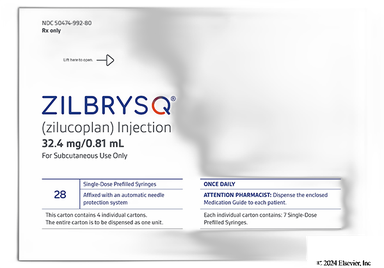
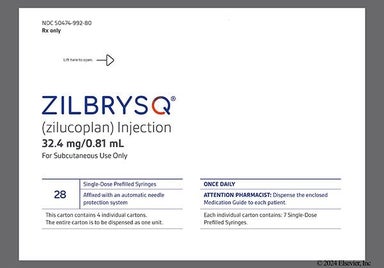
Zilbrysq (zilucoplan) is the first FDA‑approved at-home self injection that's used to treat certain adults with generalized myasthenia gravis (gMG). The dose, based on your weight, is injected once a day. Common side effects of this medication include injection site reactions, diarrhea, and upper respiratory tract infections (e.g., cough, stuffy nose). Zilbrysq (zilucoplan) is available only through the FDA’s Zilbrysq REMS program because of the risk for serious meningococcal infections.

Zilbrysq (zilucoplan) is a complement inhibitor. The exact way that the medication works isn't clear, but it's thought to prevent breakdown of complement proteins. These complement proteins, which are part of the immune system, are activated by harmful antibodies (anti-Ach antibodies) to disrupt communication between nerves and muscles. By blocking these proteins, Zilbrysq (zilucoplan) helps to ease gMG symptoms and improve the ability to perform daily living, like walking or speaking.
| Common Brands | Zilbrysq |
|---|---|
| Drug Class | Complement inhibitor |
| Controlled Substance Classification | Not a controlled medication |
| Generic Status | No lower-cost generic available |
| Availability | Prescription only |

The following side effects may get better over time as your body gets used to the medication. Let your healthcare provider know immediately if you continue to experience these symptoms or if they worsen over time.
Contact your healthcare provider immediately if you experience any of the following.
Side effects that you should report to your care team as soon as possible:
Side effects that usually do not require medical attention (report these to your care team if they continue or are bothersome):




Zilbrysq (zilucoplan) can cause some serious health issues. This risk may be even higher for certain groups. If this worries you, talk to your doctor or pharmacist about other options.
 Zilbrysq (zilucoplan) can lower your ability to fight off infections. This can raise the risk for serious infections, especially meningococcal infections.
Before you start Zilbrysq (zilucoplan), your prescriber will check that you're up to date on your meningococcal vaccines. If not, you might have to receive the meningococcal vaccine right away on top of preventative antibiotics. This helps to lower your risk for serious meningococcal infections. But it's important to note that even people who have received these vaccinations might still get an infection. Call your care team right away if you have any signs of infection, like fever, body aches, nausea, vomiting, and severe headache.
Because of the risk for serious meningococcal infections, Zilbrysq (zilucoplan) is only available through a restricted program called Zilbrysq Risk Evaluation and Mitigation Strategy (REMS). Your neurologist must be enrolled in this program to prescribe the medication to you. They'll also talk with you about the risk for meningococcal infections and how to best protect against them.
Zilbrysq (zilucoplan) can lower your ability to fight off other infections too. These infections include pneumonia, Haemophilus influenzae diseases, and gonorrhea. Your prescriber will make sure you're vaccinated against certain types of bacteria that can cause infection. Let your prescriber know if you have symptoms such as trouble breathing, cough, chills, fever, fatigue, chest pain, and headache.
Though rare, few people who received Zilbrysq (zilucoplan) have reported having inflammation of the pancreas (pancreatitis) or pancreatic cysts. Make sure to get your routine blood work done before treatment. This is so your care team can make sure Zilbrysq (zilucoplan) is safe for you. Stop using this medication and let your care team know right away if you experience symptoms of an inflamed pancreas, such as stomach pain that won't go away, pain radiating to the back, nausea, or vomiting.

 Carton
| Dosage | Quantity | Price as low as | Price per unit |
|---|---|---|---|
| 28 prefilled syringes of 16.6mg/0.416ml | 1 carton | $22,602.53 | $22,602.53 |
| 28 prefilled syringes of 23mg/0.574ml | 1 carton | $31,300.23 | $31,300.23 |
| 28 prefilled syringes of 32.4mg/0.81ml | 1 carton | $44,092.91 | $44,092.91 |


Contraindications are specific health conditions or situations in which a person should not take a medication due to safety concerns. If you have any of the following conditions or if any of the following apply to you, let your healthcare provider know because Zilbrysq (zilucoplan) will not be safe for you to take.




Prescription savings
Stop paying too much for your prescriptions. Compare prices, get pharmacy coupons, and save up to 80%. Find expert answers to your health questions so you can make the best decisions for yourself and your family.
Health conditions
Medications & treatment
Access & affordability
Medication discounts


Although Zilbrysq can start working within a week, you might not feel the full effects until a few months later. So make sure you continue to inject the medication every day and let your neurologist know how it's working for you.
You can inject Zilbrysq at any time of the day, but it's important to be consistent. Try to inject the medication at the same time every day. This will help the medication work best.
It can. Zilbrysq can cause pancreatitis, or inflammation of the pancreas, and pancreatic cysts. To lower your risk, your prescriber will order blood tests to check your pancreas before you start the medication. Let your prescriber know if you experience symptoms of pancreatic problems like stomach pain that won't go away, pain radiating to the back, nausea, or vomiting.
In a study, Zilbrysq helped to lessen muscle weakness and improve the ability to talk, swallow, and breathe compared to placebo after 12 weeks of daily injections. Talk to your neurologist if you have questions on how well this medication will work for you.
Zilbrysq can be injected under the skin on the belly and thighs. Make sure to avoid the area 2 inches within the belly button. If you're giving the injection to someone else, you can also inject under the skin on the underside of the upper arms. Change the injection site often to prevent skin irritation and allow Zilbrysq to be absorbed. Don't inject the medication into skin that's bruised, red, tender, or hard.
Make sure you review the Instructions for Use before you inject Zilbrysq. Firstly, wash your hands and clean the injection site with an alcohol wipe. After taking the cap off the syringe, pinch an area of your skin and insert the needle into your skin at a 45 to 90 degree angle. Release the pinch and push the plunger down all the way to inject the medication. After you complete the injection, release the plunger to activate the needle guard. Remove the syringe and throw it away in a sharps container right away.
Zilbrysq hasn’t been studied in human pregnancies or those who are nursing. But, animal studies showed that this medication caused harm to babies when used during pregnancy. While animal studies aren’t always representative of what happens in humans, it’s possible that Zilbrysq can cause serious problems to unborn babies. Talk with your care team to discuss the benefits and risks of using this medication if you're pregnant or nursing.
No, Zilbrysq isn't an immunosuppressant. Even though it's not considered an immunosuppressant, Zilbrysq can put you at risk for infections because it affects certain parts of your immune system. Let your care team know if you have symptoms of an infection like sore throat, runny nose, or fever. Zilbrysq can also raise your risk for certain serious infections, such as meningococcal infections. You'll be required to get certain vaccines before starting this medication to lower your risk of getting meningitis during treatment.
