


Loratadine (Claritin) vs. Cetirizine (Zyrtec): 7 Ways They Compare
Loratadine (Claritin) and cetirizine (Zyrtec) are OTC antihistamines that provide fast-acting allergy relief. Compare dosages, side effects, and how they work.
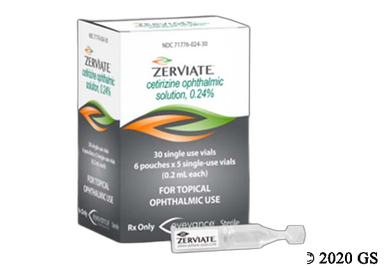
Zerviate (cetirizine) is an eye drop that can help relieve itchy eyes caused by allergies in adults and children 2 years of age or older. It can start to work within 3 minutes after using the eye drops. It's only available as a brand medication, so it might be more expensive than other alternatives.

Zerviate (cetirizine) is an antihistamine. When you're exposed to an allergen, such as pollen or dust, your body releases histamine to help get rid of it. Histamine is a chemical in the body that can cause allergy symptoms. Zerviate (cetirizine) works by blocking histamine, which can help relieve eye itchiness.
| Common Brands | Zerviate |
|---|---|
| Drug Class | Antihistamine |
| Controlled Substance Classification | Not a controlled medication |
| Generic Status | No lower-cost generic available |
| Availability | Prescription only |

The following side effects may get better over time as your body gets used to the medication. Let your healthcare provider know immediately if you continue to experience these symptoms or if they worsen over time.
Side effects that you should report to your care team as soon as possible:
Side effects that usually do not require medical attention (report these to your care team if they continue or are bothersome):




Zerviate (cetirizine) can cause some serious health issues. This risk may be even higher for certain groups. If this worries you, talk to your doctor or pharmacist about other options.
Remember to wash your hands before using Zerviate (cetirizine) to prevent eye infections. Don't touch the tip of the Zerviate (cetirizine) container onto your eyes, eyelids, or to any surface to prevent contamination of the medication, eye infections, and eye injury. Throw away each single-use vial right after using and keep the multi-dose bottle closed when you're not using it to prevent contamination.
Zerviate (cetirizine) contains a preservative called benzalkonium chloride, which can get absorbed by soft contact lenses and cause damage. If you wear soft contacts, remove them before using Zerviate (cetirizine). Wait at least 10 minutes after your dose to put your contacts back in. It's also best not to wear contacts if your eyes are red. Zerviate (cetirizine) shouldn't be used to treat eye irritation from contact lenses.

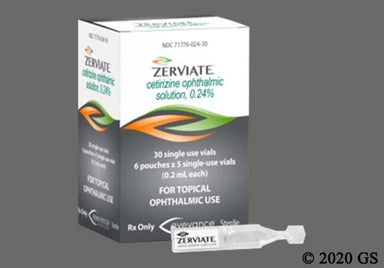
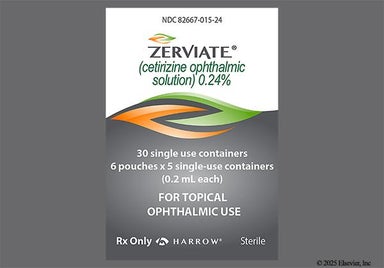
 Carton
| Dosage | Quantity | Price as low as | Price per unit |
|---|---|---|---|
| 30 single-use containers of .24% | 1 carton | $149.00 | $149.00 |


Prescription savings
Stop paying too much for your prescriptions. Compare prices, get pharmacy coupons, and save up to 80%. Find expert answers to your health questions so you can make the best decisions for yourself and your family.
Health conditions
Medications & treatment
Access & affordability
Medication discounts


No, Zerviate is only available by prescription from your provider. OTC allergy eye drops can be a good alternative if you prefer an eye drop that's convenient to get at your local pharmacy. These OTC eye drops include Zaditor (ketotifen) and olopatadine (Pataday).
Zerviate can start to relieve your itchy eyes within 3 minutes after placing a drop in your eye. The effects of the eye drops can last up to 8 hours.
No, Zerviate can't be used to treat eye infections. If your itchy eyes don't get better after using the eye drops for a while or if you notice eye pain, discharge, or changes in your vision, talk to your provider right away. If it's an eye infection, your provider will prescribe specific antibiotic medications to treat the infection.
Zerviate and cetirizine (Zyrtec) contain the same active ingredient, cetirizine. Zyrtec is taken by mouth and can relieve many allergy symptoms, such as itchy eyes, sneezing, and runny nose. On the other hand, Zerviate is an eye drop that works locally to only relieve allergy-related itchy eyes. Zerviate primarily works on the eyes and has a lower risk of being absorbed into the rest of your body like Zyrtec tablets or liquid, so Zerviate doesn't typically cause sleepiness or dry mouth like the oral form of cetirizine can.
Generally, it's not recommended to take two medications containing the same ingredient (cetirizine) or two medications in the same class (antihistamines) at the same time. Doing so can raise your risk of side effects. To be safe, first try either Zerviate or cetirizine (Zyrtec) alone to see if one helps your itchy eyes better than the other. If either one doesn't help, ask your provider what other medications you can try.
