


Do IUDs Cause Weight Gain? Here Are the Facts
Does IUD cause weight gain? It may be associated with some hormonal IUDs, but it doesn’t happen in every case. Get the facts at GoodRx.
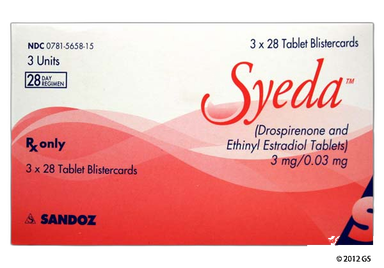
Yasmin is a combination oral contraceptive (COC) that's taken by mouth every day to prevent pregnancy. It's a monophasic COC, which means that all active tablets contain the same dose of hormones. Yasmin contains slightly more estrogen than other birth control options that are similar, so it might cause more side effects.

Yasmin (along with its branded generics) is a combination oral contraceptive (COC) that contains 2 hormones: drospirenone (a progestin) and ethinyl estradiol (an estrogen). Both hormones work together to prevent pregnancy by:
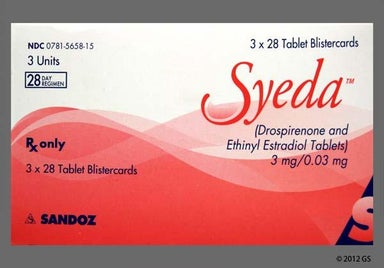
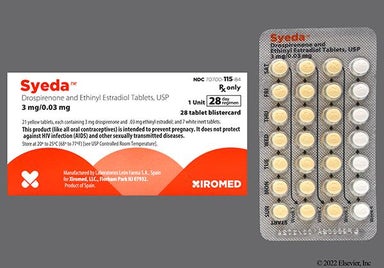
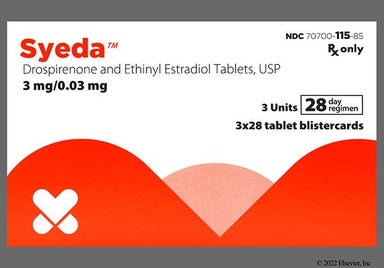
| Common Brands | Yasmin, Ocella, Zarah, Syeda |
|---|---|
| Drug Class | Estrogen / Progestin combined contraceptive |
| Controlled Substance Classification | Not a controlled medication |
| Generic Status | Lower-cost generic available |
| Availability | Prescription only |

The following side effects may get better over time as your body gets used to the medication. Let your healthcare provider know immediately if you continue to experience these symptoms or if they worsen over time.
Contact your healthcare provider immediately if you experience any of the following.
Along with its needed effects, a medicine may cause some unwanted effects. Although not all of these side effects may occur, if they do occur they may need medical attention.
Check with your doctor immediately if any of the following side effects occur:
More common
Breast pain or tenderness
headache, severe and throbbing
heavy non-menstrual vaginal bleeding
irregular menstrual periods
normal menstrual bleeding occurring earlier, possibly lasting longer than expected
Less common
Longer or heavier menstrual periods
unusual tiredness or weakness
vomiting
Incidence not known
Chills
clay-colored stools
dark urine
difficulty with breathing
dizziness
headache
loss of appetite
pain in the chest, groin, or legs, especially the calves
rash
slurred speech
stomach pain
sudden loss of coordination
sudden, severe weakness or numbness in the arm or leg
unpleasant breath odor
unusual tiredness or weakness
vision changes
vomiting of blood
yellow eyes or skin
Some side effects may occur that usually do not need medical attention. These side effects may go away during treatment as your body adjusts to the medicine. Also, your health care professional may be able to tell you about ways to prevent or reduce some of these side effects. Check with your health care professional if any of the following side effects continue or are bothersome or if you have any questions about them:
Less common
Crying
decreased interest in sexual intercourse
delusions of persecution, mistrust, suspiciousness, or combativeness
false or unusual sense of well-being
inability to have or keep an erection
irritability
loss in sexual ability, desire, drive, or performance
mental depression
quick to react or overreact emotionally
rapidly changing moods
Other side effects not listed may also occur in some patients. If you notice any other effects, check with your healthcare professional.
Call your doctor for medical advice about side effects. You may report side effects to the FDA at 1-800-FDA-1088.




Yasmin can cause some serious health issues. This risk may be even higher for certain groups. If this worries you, talk to your doctor or pharmacist about other options.
 If you smoke cigarettes, using combined oral contraceptives (COCs), like Yasmin, raises your risk for serious health problems, such as strokes, heart attacks, and blood clots. Females ages 35 years and older who smoke are at even higher risk for these problems. If you smoke, talk with your provider about safer birth control alternatives.
Yasmin raises your risk of blood clots. These clots can occur anywhere in your body, including your lungs (pulmonary embolism or PE), legs (deep vein thrombosis or DVT), brain (stroke), and heart (heart attack). Get emergency help right away if you have any signs of a blood clot:
If you need to have surgery, tell your provider you're taking Yasmin. They might have you stop taking it 4 weeks before until 2 weeks after your surgery to lower your risk of blood clots.
Study results are mixed, but there's a possibility that Yasmin and other COCs can raise your risk for breast and cervical cancer.
Don't use Yasmin if you have breast cancer because some types of breast cancer grow faster in the presence of estrogen, an ingredient in this birth control pill. To help with early breast cancer detection, you can do monthly breast self-checks at home and yearly breast exams with your healthcare provider. Call your healthcare provider if you notice any abnormal changes or feel lumps, pain, or swelling in your breasts.
Get medical help right away if you experience abnormal vaginal bleeding, discharge, or pain during sex, since these could be signs of cervical cancer.
Though rare, Yasmin can cause liver problems, such as liver damage and liver tumors. These problems are linked more with earlier formulations of COCs that contained higher levels of estrogen (50 mcg or higher), and less so with Yasmin since it only contains 30 mcg of estrogen. Don't use this medication if you already have liver problems. Call your provider right away if you experience symptoms of liver problems, such as tiredness, stomach pain, or yellowing of the skin or whites of the eyes.
Yasmin and other COCs can raise your blood pressure. Your provider might ask you to check your blood pressure regularly. If you notice your blood pressure is higher while you're taking this medication, contact your provider. If you have uncontrolled high blood pressure, Yasmin might not be the best option for you.
COCs like Yasmin might raise your blood sugar and triglyceride (fat) levels. In addition, some progesterones could raise LDL levels ("bad" cholesterol). If you have diabetes, let your provider know if you experience any changes in your blood sugar. If your lipids aren't under control, you might need to use a different form of birth control. Make sure to go to all of your check-ups so your provider can monitor any changes.
Headaches are a common side effect of COCs like Yasmin. But, if you experience a new migraine, a migraine that's worse than normal, or a new headache that keeps coming back or is severe, call your provider so you can be checked out.
Let your provider know if you experience symptoms of depression or worsening depression while taking Yasmin. In cases of serious depression, your provider might have you stop taking it.
Certain medications can make Yasmin get broken down faster in your body, making it less effective (not work as well). This can lead to pregnancy. Some examples include carbamazepine (Tegretol) and phenytoin (Dilantin). Use a back-up method or other form of birth control for at least 28 days after stopping any of these medications. Other medications can raise the amount of Yasmin in your body, which can lead to more side effects. Make sure to tell your provider or pharmacist all of your medications so they can make sure they don't interact with Yasmin.
If you have hepatitis C and need to be treated with Viekira Pak (dasabuvir / ombitasvir / paritaprevir / ritonavir), let your provider know right away that you're taking a COC. You'll need to stop Yasmin before starting Viekira Pak because taking them together can cause liver problems. You can start Yasmin again 2 weeks after you stop Viekira Pak.
Yasmin contains drospirenone, which can cause high levels of potassium in some people. Taking Yasmin with medications that raise potassium levels like ACE inhibitors, potassium-sparing diuretics, or potassium supplements can put you more at risk. Your provider should monitor your potassium levels during your first cycle of Yasmin and periodically while taking this medication.
Contact your provider if you experience signs of high potassium like nausea, irregular heartbeat, or muscle weakness.

 Package
| Dosage | Quantity | Price as low as | Price per unit |
|---|---|---|---|
| 28 tablets of 3mg/0.03mg | 3 packages | $29.36 | $9.79 |

Although certain medicines should not be used together at all, in other cases two different medicines may be used together even if an interaction might occur. In these cases, your doctor may want to change the dose, or other precautions may be necessary. When you are taking this medicine, it is especially important that your healthcare professional know if you are taking any of the medicines listed below. The following interactions have been selected on the basis of their potential significance and are not necessarily all-inclusive.
Using this medicine with any of the following medicines is not recommended. Your doctor may decide not to treat you with this medication or change some of the other medicines you take.
Using this medicine with any of the following medicines is usually not recommended, but may be required in some cases. If both medicines are prescribed together, your doctor may change the dose or how often you use one or both of the medicines.
Using this medicine with any of the following medicines may cause an increased risk of certain side effects, but using both drugs may be the best treatment for you. If both medicines are prescribed together, your doctor may change the dose or how often you use one or both of the medicines.


Contraindications are specific health conditions or situations in which a person should not take a medication due to safety concerns. If you have any of the following conditions or if any of the following apply to you, let your healthcare provider know because Yasmin will not be safe for you to take.




Prescription savings
Stop paying too much for your prescriptions. Compare prices, get pharmacy coupons, and save up to 80%. Find expert answers to your health questions so you can make the best decisions for yourself and your family.
Health conditions
Medications & treatment
Access & affordability
Medication discounts


Yasmin and Yaz both contain drospirenone and ethinyl estradiol and both are used to prevent pregnancy, but there are some differences. 1) One difference is that Yasmin contains a higher dose of ethinyl estradiol than in Yaz, so you might experience more side effects with Yasmin. 2) Another difference is that Yasmin contains 21 active pills per 28-day pack, whereas Yaz contains 24 active pills per 28-day pack. Because of this, you might experience shorter period bleeds with Yaz than with Yasmin. 3) A third difference is that Yaz is also approved to treat premenstrual dysphoric disorder (PMDD) and acne, while Yasmin is not. Talk to your provider about which birth control is the best option for you.
If you're not currently taking another hormonal birth control, you can start Yasmin on the first day of your period or on the first Sunday after your period starts, even if you're still bleeding. Use a backup method of birth control, such as condoms or spermicides, for the first 7 days to prevent you from getting pregnant. If you're switching from another hormonal birth control, discuss the best way to start taking Yasmin with your provider.
For Yasmin to work best, it's important that you take each pill at the same time each day. If you miss 1 active pill, take the missed pill as soon as possible and take the next pill at your normal time (you might have to take 2 pills in one day). If you miss 2 or more active pills in a row, ask your provider or pharmacist what to do next because directions can differ depending on which week you missed your pills. You'll need to use a non-hormonal birth control (condoms or spermicide) as a back-up if you have sex within 7 days after missing 2 or more active pills. If you miss any placebo pills at the end of the pack, you don't need to use back-up birth control. Just make sure you start your new pack on the correct day.
It's possible to have bleeding or spotting between your periods (breakthrough bleeding) while taking Yasmin. This is most likely to happen within the first few months of taking Yasmin. Continue taking your pills as scheduled, even if you're experiencing bleeding or spotting. Breakthrough bleeding is usually temporary. But if you continue to experience it after taking Yasmin more than 3 months, or if it lasts more than a few days or is unusually heavy, contact your healthcare provider. You might have a more serious problem that needs to be checked.
Monophasic birth control pills, like Yasmin, contain the same amounts of hormones in every active pill. There are other birth control pills that are called multiphasic (e.g., biphasic, triphasic, or quadriphasic), where the active pills contain different amounts of hormones depending on which day you're on in your pack. These pills were designed to better mimic the natural rise and fall of estrogen and progesterone in your body during your menstrual cycle, in the hope of lowering side effects. An example of a biphasic birth control is Kariva (desogestrel / ethinyl estradiol). It contains two different doses of hormones over the 28-day cycle. Some people might find multiphasic birth control pills more complicated to use.
