Key takeaways:
Healthy joints allow you to walk, grasp objects, and make other movements without discomfort.
As you age, joint problems can occur and cause pain, stiffness, and mobility issues.
Certain lifestyle changes and activities can help maintain or improve your joint health.
You might not think about your joints unless you have a health issue that affects them. But your joints are critical for your health and mobility. As you age, they may become more prone to wear and tear. The good news is that taking care of your joints can help you prevent or manage age-related changes. Learn more about joint health and how you can protect your joints below.
Why is it important to keep your joints healthy as you age?
Joints are connections between your bones that allow movement. These complex meeting points are made up of cartilage, ligaments, and tendons. They also contain specialized fluids that lessen friction and cushion your bones. Healthy joints help you make movements — such as walking, bending, lifting, and grasping — easily and without pain.
Problems with your joints can happen at any age. But as you get older, your joints may experience natural wear and tear. Age-related musculoskeletal changes are partly to blame. This includes less bone density, synovial fluid, cartilage, and muscle mass. These changes may lead to joint disorders or injuries such as arthritis, sprains or strains, and tendinitis. Maintaining joint health can help you prevent some of these changes that may affect your mobility and well-being.
What are the risks of joint deterioration?
When joints break down or deteriorate, it may cause inflammation, pain, and stiffness. These symptoms can limit your ability to do certain activities.
According to the CDC, people with joint problems (like arthritis) are most likely to have trouble:
Grasping small items
Pushing or pulling large or heavy objects
Bending, stooping, or kneeling
Sitting or standing for long periods
Walking or climbing stairs without resting
Reaching above the head
Carrying items that weigh as much as 10 lbs.
Joint deterioration can also affect your general well-being. For example, arthritis pain can lead to physical limitations that may interfere with work and your personal life. And for some people, less mobility and independence can cause more stress. That explains why adults with arthritis are more likely to report lower health-related quality of life (HRQOL) than those without arthritis.
6 tips to maintain your joint health
Getting older doesn't mean joint pain, stiffness, or limited mobility is inevitable. No matter your age, there are key steps you can take to protect your joints. Let’s look at these evidence-based tips for joint health.
1. Try to maintain a healthy weight
Research suggests that obesity is a primary risk factor for osteoarthritis. Extra pounds can stress weight-bearing joints, including your back, knees, hips, and ankles. For example, a 2015 review found that the risk of knee osteoarthritis goes up by 35% with a 5 kg/m2 rise in body mass index (BMI). So, maintaining a healthy weight may keep your joints in tip-top shape. But remember that a "healthy weight" is different for everyone. You can talk to your healthcare provider if you have any questions.

Read more like this
Explore these related articles, suggested for readers like you.



2. Get regular exercise
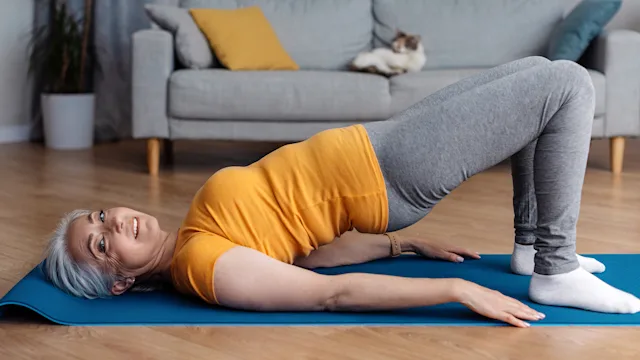
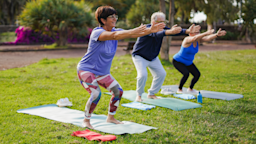
Some people worry that exercise causes or worsens joint problems. But there's truth to the old saying that “motion is lotion.” Adding exercise to your routine can keep your joints lubricated and healthy. Staying active may prevent or reduce joint pain, stiffness, and inflammation. Regular exercise may also protect against cartilage damage.
Try these exercises for joint health:
Walking: Low-impact exercises like walking put less stress on your joints. The steady movement also increases blood flow, supplying your cartilage with nutrients to protect your bones and joints. In a recent study, walking was associated with less pain in people with knee osteoarthritis.
Strength training: Strength-training exercises can also keep your joints healthy. It’s been shown to improve muscle strength, joint function, and pain in people with osteoarthritis.
Neuromuscular training: Neuromuscular training aims to improve sensorimotor control and mobility. The exercise method combines functional and sport-specific movements. And it may help older adults, including those with hip or knee arthritis, boost physical function.
Tai chi: The American College of Rheumatology and the Arthritis Foundation offer recommendations for joint health. Their 2019 guidelines strongly suggest practicing tai chi to maintain or improve knee or hip joint health.
Aquatic exercise: Resistance exercises performed in water improved the thickness of knee joint cartilage in one 2016 study. And experts note that water-based exercises offer a challenge but are easy on the joints.
The CDC recommends that adults get 30 minutes of moderate-intensity exercise 5 times per week. It’s a great way to boost your joint health and overall well-being.
3. Add anti-inflammatory foods to your diet
Chronic inflammation raises your risk of developing various conditions, like arthritis. Fortunately, certain foods can help fight inflammation in your body, including your joints. Examples of anti-inflammatory foods include:
Leafy green vegetables, such as broccoli, kale, and spinach
Berries, including strawberries, blueberries, and blackberries
Nuts and seeds, like almonds, walnuts, and chia seeds
Fatty fish, such as salmon, trout, and sardines
These and many other anti-inflammatory foods have key nutrients, including antioxidants, that can help protect your joints.
4. Make sure you’re drinking enough water
Joint cartilage consists mainly of water. Adequate water intake helps make synovial fluid in your joints. This gel-like liquid protects your bones from wear and tear. But how much water should you drink every day for ideal hydration? Generally, you can let your thirst be your guide.
If you're still unsure, the Institute of Medicine of the National Academies gives the following guidelines:
Females who drink 91 oz of water daily are adequately hydrated.
Males who drink 125 oz of water daily are adequately hydrated.
5. Warm up before and cool down after exercise
You might be tempted to skip the warmup or cooldown when you exercise. But skipping these critical steps in your workout routine could raise your risk of joint injury. For instance, one study found that just 15 minutes of warming up and cooling down can reduce the risk of injuries.
Experts recommend starting your workout slowly to raise your heart rate and warm your muscles. To cool down, you can slowly lower your training intensity until your heart and breathing rates return to normal. Then, while your muscles are still warm, finish your cooldown with more stretching exercises. Try dynamic stretches for your warmup and static stretches for your cooldown.
6. If you smoke, consider quitting
Smoking cigarettes can be harmful for your bones and joints. For example, smoking raises your risk of osteoporosis and rheumatoid arthritis. And research suggests that people with arthritis who smoke cigarettes may have more cartilage loss and pain than those who do not. So, if you smoke and want to improve your general health and joint health, there are effective ways to quit smoking for good.
Do supplements really work to keep joints healthy?
Many ads claim you can boost your bone or joint health with vitamins and supplements. But research on their effectiveness is mixed. In one review, scientists looked at 20 supplements to find out if they can help with hand, hip, or knee osteoarthritis.
They found that the following supplements offered short-term improvements in arthritis pain:
Collagen hydrolysate (collagen broken down into easy-to-absorb particles)
Passion fruit peel extract (made from the peels of purple passion fruit)
Curcuma longa extract (part of the turmeric plant)
Boswellia serrata extract (Indian frankincense)
Curcumin (a compound found in turmeric)
Pycnogenol (French maritime pine bark extract)
L-carnitine (an amino acid)
But the scientists note that there was very low-quality evidence. And none of the supplements showed long-term benefits.
Some supplements can even cause side effects or interfere with other medications you take. So, it's best to talk to your healthcare provider before adding them to your daily routine.
The bottom line
Joint problems can cause pain and stiffness that can affect your well-being and quality of life. So, maintaining or improving your joint health is essential to healthy aging. Luckily, there are many things you can do — like exercising regularly — to make sure that your joints stay in tip-top shape.

Why trust our experts?




References
Ageberg, E., et al. (2013). Effects of neuromuscular training (NEMEX-TJR) on patient-reported outcomes and physical function in severe primary hip or knee osteoarthritis: A controlled before-and-after study. BMC Musculoskeletal Disorders.
Amin, S., et al. (2007). Cigarette smoking and the risk for cartilage loss and knee pain in men with knee osteoarthritis. Annals of the Rheumatic Diseases.
Arthritis Foundation. (2022). Anti-inflammatory diet do's and don'ts.
Centers for Disease Control and Prevention. (2022). Arthritis.
Cooney, J. K. (2011). Benefits of exercise in rheumatoid arthritis. Journal of Aging Research.
Global Healthy Living Foundation Creaky Joints. (2021). Dehydration and arthritis: How not drinking water affects your joints.
Jin, X., et al. (2021). Does weight loss reduce the incidence of total knee and hip replacement for osteoarthritis? A prospective cohort study among middle-aged and older adults with overweight or obesity. International Journal of Obesity.
Khanna, D., et al. (2011). Health-related quality of life in adults reporting arthritis: Analysis from the National Health Measurement Study. Quality of Life Research.
Kolasinski, S. L., et al. (2020). 2019 American College of Rheumatology/Arthritis Foundation Guideline for the management of osteoarthritis of the hand, hip, and knee. Arthritis Care & Research.
Latham, N., et al. (2010). Strength training in older adults: The benefits for osteoarthritis. Clinics in Geriatric Medicine.
Liu, X., et al. (2018). Dietary supplements for treating osteoarthritis: A systematic review and meta-analysis. British Journal of Sports Medicine.
Lo, G. H., et al. (2022). Association between walking for exercise and symptomatic and structural progression in individuals with knee osteoarthritis: Data from the Osteoarthritis Initiative Cohort. Arthritis & Rheumatology.
Malliou, P., et al. (2007). Reducing risk of injury due to warm up and cool down in dance aerobic instructors. Journal of Back and Musculoskeletal Rehabilitation.
MedlinePlus. (2022). Aging changes in the bones - muscles - joints.
Munukka, M., et al. (2016). Efficacy of progressive aquatic resistance training for tibiofemoral cartilage in postmenopausal women with mild knee osteoarthritis: A randomised controlled trial. Osteoarthritis and Cartilage.
National Academies of Sciences, Engineering, and Medicine. (2004). Report sets dietary intake levels for water, salt, and potassium to maintain health and reduce chronic disease risk.
OrthoInfo. (2021). Smoking and musculoskeletal health.
OrthoInfo. (2021). Warm up, cool down and be flexible.
Orthopedic Associates. (2020). Dehydration and joint pain: How your hydration is affecting joint health.
Pahwa, R., et al. (2021). Chronic inflammation. StatPearls.
Rizka, M., et al. (2022). The effect of walking exercise on blood pressure and blood glucose in the elderly. International Journal of Kinesiology and Sports Science.
University of Rochester Medical Center. (n.d.). Anatomy of a joint.
Zeng, C., et al. (2021). Benefits and mechanisms of exercise training for knee osteoarthritis. Frontiers in Physiology.
Zheng, H., et al. (2015). Body mass index and risk of knee osteoarthritis: Systematic review and meta-analysis of prospective studies. BMJ Open.