Key takeaways:
Table salt is a blend of sodium and chloride. There’s a link between consuming too much salt and high blood pressure as well as heart disease.
Most people consume too much salt. Reducing salt intake could prevent millions of deaths each year.
There are many salt alternatives that are healthier and still brighten the flavors of foods. Some popular salt substitutes include garlic, vinegar, and fresh herbs.
The human body needs some sodium to survive, but most people in the U.S. consume too much. And too much salt is linked to some serious health conditions, like high blood pressure and heart disease. While salt alternatives are especially important for people with high blood pressure, pretty much everyone can benefit from salt substitutes.
There are lots of tasty options to add flavor to your foods without salt. And the good news is that your craving for salty snacks will go down as you reduce the amount of salt you eat.
What is salt?
Salt is among the most common ingredients used to flavor food. While people often use “sodium” to mean “salt” when talking about diet, there’s a difference. Table salt is 40% sodium and 60% chloride. The body needs a certain amount of both these minerals to function well. (That’s right, salt is actually a mineral, even though many think that salt is a spice.)
There are many types of salt, including:
Sea salt
Pink Himalayan salt
Black salt
Is sodium good for you?
Your body needs some sodium. It helps regulate blood pressure and fluid balance. It’s also essential for muscle contraction and nerve function.

How can you lower your sodium levels? Your body needs sodium, but too much isn’t good for you. Check out these tips for following a low-sodium diet.
Is salt bad for you? Having too much salt in your diet can lead to an increased risk of stroke, heart diseases, and kidney disease. Here are some important things to know about your daily salt intake.
Should you take supplements for heart health? Lifestyle choices may be more beneficial for your heart health than supplements.
The daily recommended intake of sodium is 2,300 mg. That’s about 1 teaspoon of salt. And since sodium is in so many food products, most people easily get more than the recommended amount.
What are the best salt substitutes?
You can add tasty flavor to your cooking with little to no salt. Here are eight natural ingredients that work as healthy salt alternatives and substitutes for seasoned salt.
Read more like this
Explore these related articles, suggested for readers like you.




1. Garlic
You can mince garlic and add it to various savory dishes, like pasta, fish, and vegetables. To make it easier, you can buy garlic in a jar or frozen. Garlic powder is also an option. But skip garlic salt if you’re trying to limit your salt intake.
2. Lemon juice or zest
Like salt, lemon juice brings out the flavors in both sweet and savory dishes. You can use fresh lemon or bottled lemon juice. And consider trying lemon seasoning, a salt alternative you can find in the spice aisle. Make sure to look for one that has no salt added.
3. Ground black pepper
Many people pair salt and pepper. But you can use black pepper on its own. It adds a spicy, earthy flavor and serves as an anti-inflammatory salt substitute. You can also try white pepper to add a more delicate, fruity flavor.
4. Onions
Onions and onion powder add rich flavor to savory dishes. Onions contain antioxidants and are anti-inflammatory while packing in vitamins and minerals. This makes them a healthy salt substitute and a flavor enhancer.
5. Nutritional yeast
Nutritional yeast gives foods a nutty, cheesy taste, making it a flavorful salt alternative. Use it anywhere you might add a sprinkle of parmesan, like pastas and salads.
Nutritional yeast is also a good source of vitamin B12. And since it’s a dairy-free product, it’s a useful seasoning for people who follow a vegan diet.
6. Vinegar
Balsamic vinegar is a low-calorie salt alternative that can enhance foods. With a rich and tart flavor, balsamic vinegar makes a flavorful salad dressing or marinade. You can even use it to add a complex flavor to desserts. You can also try other types of vinegar, such as apple cider vinegar and red wine vinegar.
Vinegar may not be the first thing that comes to mind when you think of salt substitutes. But its bold and unique flavor profiles might help you lower how much salt you need.
7. Paprika
Paprika gives your dishes a kick. This powdered dry pepper comes in sweet, spicy, and smoked varieties. Use it to give your stews, marinades, or deviled eggs a spicy finish.
Plus, paprika contains antioxidants, like beta-carotene and lutein. You can also try other dried pepper spices, such as cayenne, chili powder, or red pepper flakes.
8. Herbs and spices
Take a walk down the spice aisle and you’ll find many more alternatives to salt to try in your cooking. Many of these are also available as fresh herbs:
Rosemary
Thyme
Dill
Coriander
Parsley
Basil
Cilantro
Sage
Cumin
Cinnamon
Celery seed
Turmeric
Oregano
Sichuan pepper
Scallions
Jalapeño peppers
Mint
Saffron
You can also mix some of these together to create flavorful spice blends. Garam masala, for example, is made up of:
Cinnamon
Nutmeg
Cloves
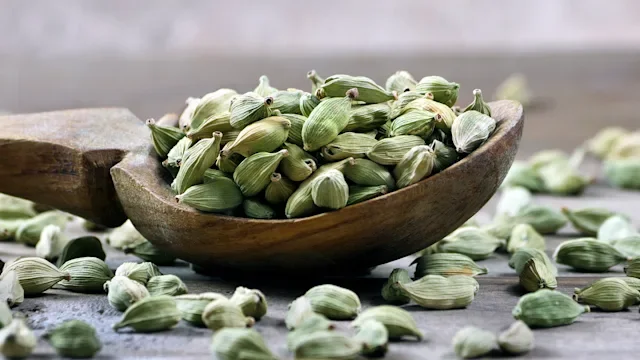
Cardamom
Mace (similar to nutmeg)
Peppercorns
Coriander
Cumin
Along with adding rich flavor, herbs and spices may be anti-inflammatory. Inflammation is a risk factor for many health conditions, including heart disease, cancer, and neurological diseases.
What happens if you eat too much salt?
Consuming too much salt is associated with a number of health conditions. Most notable is high blood pressure (hypertension). High blood pressure is a risk factor for:
Heart disease
Stroke
Kidney disease
Blindness
For some people with high blood pressure, a salt substitute made with potassium chloride might be helpful. Studies have found that these substitutes can help lower blood pressure. At the same time, they may lead to high potassium levels, which can be dangerous for some people. Talk with your primary care provider before trying salt substitutes with potassium chloride.
Who should limit their salt intake?
In general, everyone should limit their salt intake. Because blood pressure rises as you get older, it’s important to lower how much salt you consume over the years. This is when using herbs and spices as salt alternatives can be especially helpful.
Around the world, people consume 9 g to 13 g of salt per day. That’s a lot more than the recommended limit of about 2 g. Lowering how much salt people eat to the recommended levels could prevent nearly 2 million deaths per year, according to the World Health Organization (WHO). This is why the WHO aims to lower salt consumption by 30% by 2025.
Social determinants of health and racial disparities also play a role in the risk of high blood pressure. Here’s who is at higher risk:
People with low incomes
People with a family history of high blood pressure
People with a body mass index (BMI) over 30
People who have low levels of physical activity
People who smoke or vape
People with kidney disease, diabetes, or sleep apnea
Is sea salt healthier than regular salt?
Sea salt and regular salt are pretty much the same in terms of nutrition. But sea salt may have slightly less sodium per teaspoon because of its larger crystal size. Sea salt may also contain traces of elements like magnesium, calcium, and potassium. But since salt is used in small quantities, this mineral content is unlikely to have noticeable health benefits.
Some people prefer sea salt for its coarse texture and stronger flavor. Keep in mind that the recommended daily limit is the same (2 g per day).
The bottom line
Most people in the U.S. consume too much salt. And having too much salt in your diet is linked to various health conditions, like high blood pressure, heart disease, and stroke. Using salt substitutes when you cook can help you lower your salt intake and your risk without losing the taste. Try spicing up your cooking with healthy salt alternatives like lemon, vinegar, and spices.

Why trust our experts?




References
American Heart Association. (2024). Sea salt vs. table salt.
European Society of Cardiology. (2022). Taste buds can adapt to low salt diet. ScienceDaily.
Greer, R. C., et al. (2019). Potassium-enriched salt substitutes as a means to lower blood pressure: Benefits and risks. Hypertension.
Kunnumakkara, A. B., et al. (2018). Chronic diseases, inflammation, and spices: How are they linked? Journal of Translational Medicine.
Marefati, N., et al. (2021). A review of anti-inflammatory, antioxidant, and immunomodulatory effects of Allium cepa and its main constituents. Pharmaceutical Biology.
Saeed, A., et al. (2020). Racial disparities in hypertension prevalence and management: A crisis control? American College of Cardiology.
U.S. Department of Agriculture. (2019). Spices, paprika.
U.S. Department of Agriculture. (2020). Onions, white, raw.
U.S. Food & Drug Administration. (2024). Sodium in your diet.
World Health Organization. (2023). Salt reduction.