Key takeaways:
Low-carb cauliflower fried “rice” is a vegetable-heavy alternative to typical fried rice.
Using cauliflower instead of rice lowers the carb content, making it a diabetes-friendly meal.
You can make cauliflower fried “rice” in one pan in 30 minutes or less.
Thought to be invented more than 1,500 years ago during the Sui dynasty (A.D. 589–618), fried rice has become a beloved comfort food all around the world. And, like most popular things, it’s been adapted countless times.
One such way is by swapping rice for cauliflower, creating a low-carb fried “rice” with plenty of vegetables. The U.S. Department of Agriculture recommends that the average adult should consume at least 2 c of vegetables, or about five servings each day. Yet the CDC estimates only that only 1 out of 10 people get the recommended amount. Replacing rice with cauliflower is one great way to get more vegetables in your diet.
Making this swap also reduces the recipe’s carbohydrate content. For people with diabetes, watching their carb intake is essential to keep their blood sugar in check. Carb-rich foods, especially ones made of simple carbs, tend to be high on the glycemic index (GI) scale. This means they may cause your blood sugar to rise faster than foods that have lower GIs. While white rice has a relatively high GI, cauliflower has a very low GI, making the swap a diabetes-friendly one.
Read on to learn how to make this tasty, healthy, and easy recipe from chef Charles Chen.
Ingredients
Serves 4
1 tsp coconut oil
½ c diced onion
1 clove minced garlic
½ c diced green bell peppers
½ c non-GMO corn
½ c edamame (shelled)
½ c diced shiitake mushrooms
2 c cauliflower rice
3 tsp liquid aminos (or reduced-sodium soy sauce)
½ tbsp white vinegar
pinch of pink Himalayan sea salt
fresh basil, julienned, for garnish
crushed almonds, for garnish
Instructions
Stir fry all ingredients except almonds and basil over medium heat.
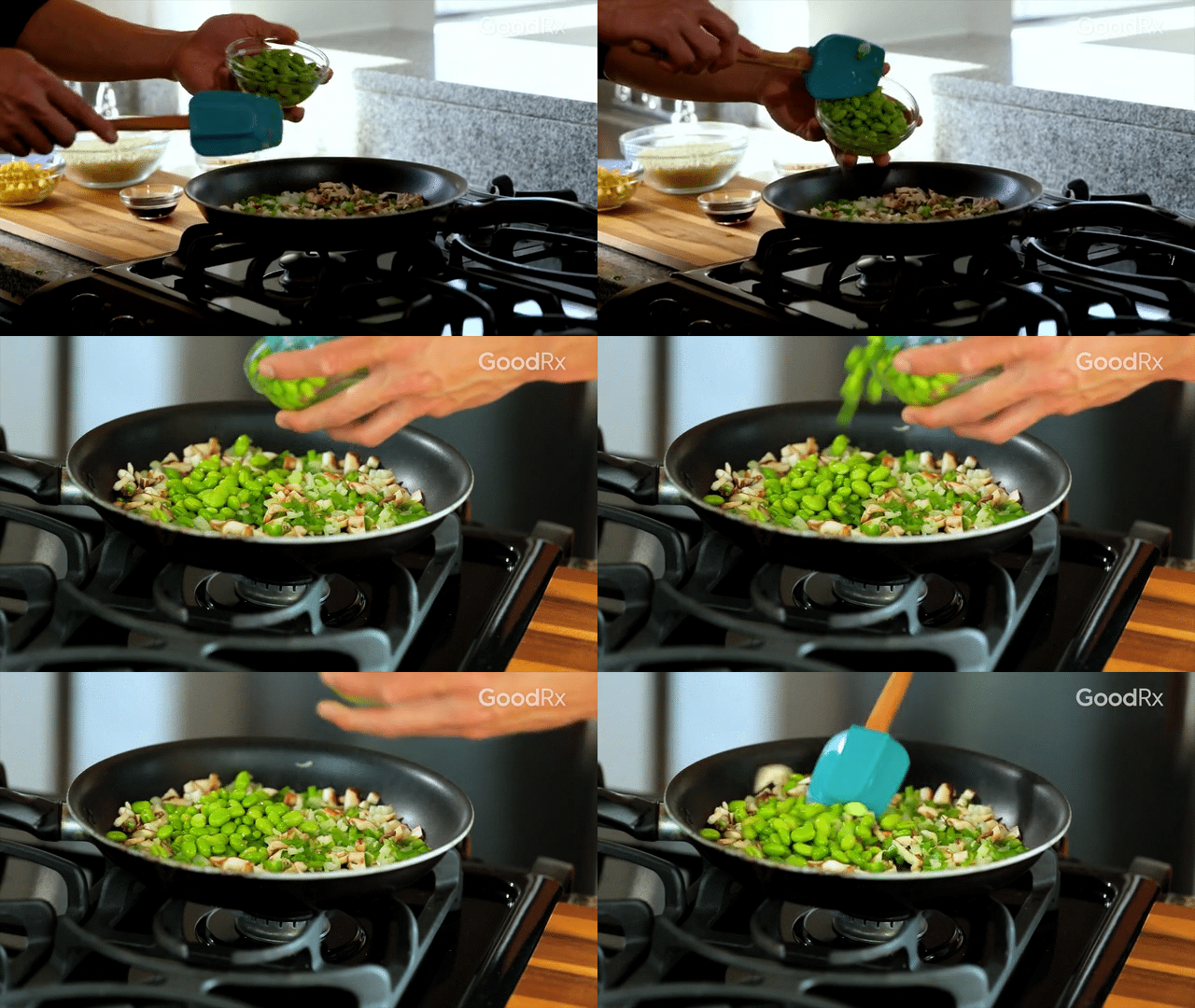
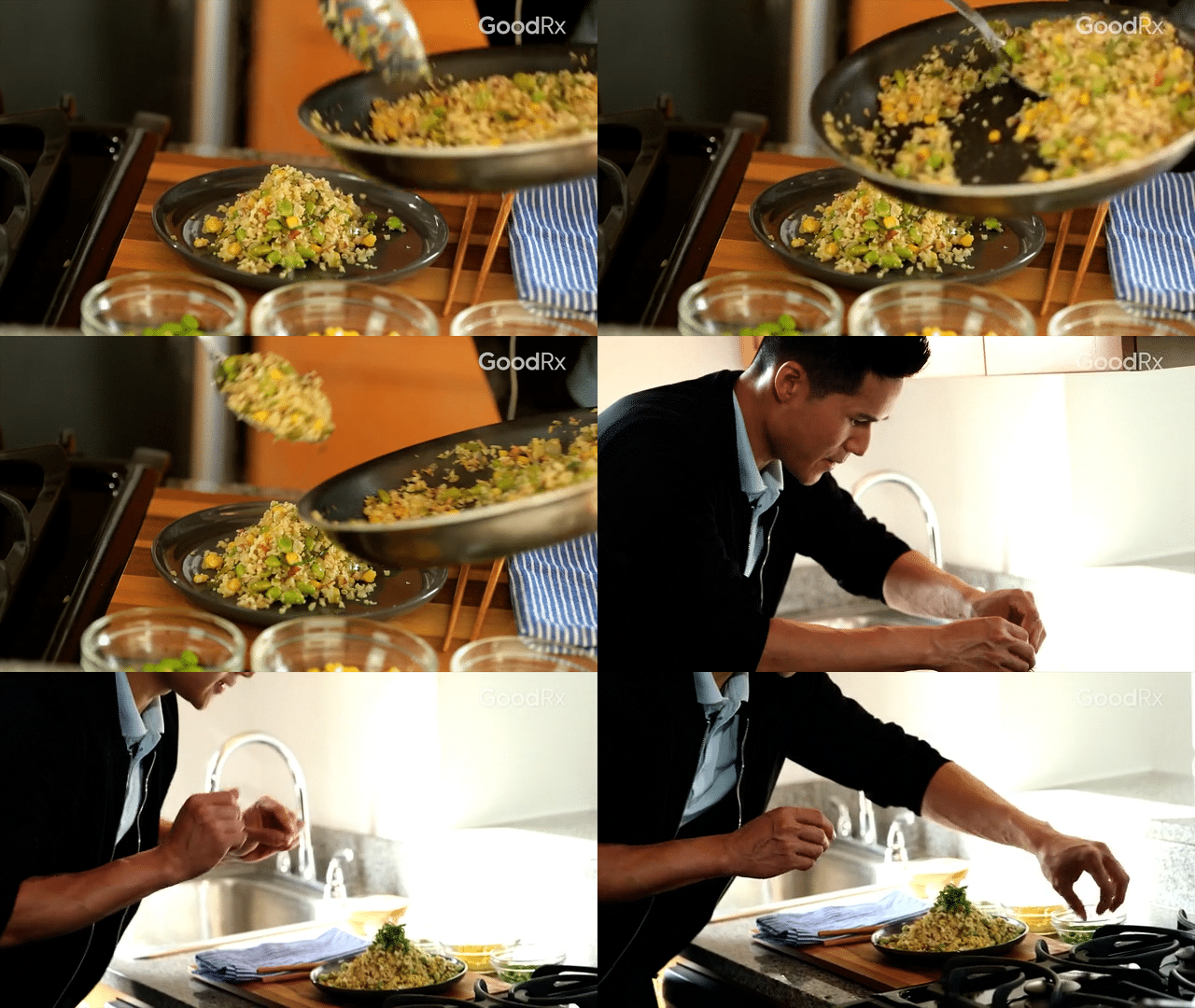
To serve, garnish with crushed almonds and julienned basil.
Nutrition
Charles Chen is a chef, host, and wellness expert based in Los Angeles and New York City.
References
American Diabetes Association. (n.d.). Non-starchy vegetables.
Atkinson, F. S., et al. (2008). International tables of glycemic index and glycemic load values: 2008. Diabetes Care.
Centers for Disease Control and Prevention. (2021). Only 1 in 10 adults get enough fruits and vegetables.
Charles Chen. (n.d.). About Charles Chen.
Ko, H., et al. (2020). The physics of tossing fried rice. Journal of the Royal Society Interface.
MyPlate. (n.d.). Vegetables. U.S. Department of Agriculture.

Why trust our experts?