Key takeaways:
There’s not much evidence that natural appetite suppressants can lead to meaningful weight loss. And many options can even be risky.
It’s possible that 5-hydroxytryptophan (5-HTP), protein powders, and fiber could help some people curb their appetite and lose weight. But the evidence to support them isn’t very good.
Compared to natural supplements, diet changes and prescription medications are a safer, more effective option for controlling your appetite and changing your weight.
Have you ever wondered how to suppress your appetite? If so, you might be curious whether over-the-counter (OTC) appetite suppressants could help. After all, there are many products on the market that claim to control cravings, curb appetite, and, ultimately, help with weight loss.
Products labeled as “all natural” appetite reducers might sound tempting. But there’s not a lot of evidence that they actually work. Some can even be risky. And, in reality, eating (and weight) is a lot more complex than simply taking a natural “hunger suppressant pill.”
Here, we’ll look at the top three natural appetite suppressants that might help you control your appetite and lose weight.
But the truth is: When it comes to changing your body weight, there’s just not much scientific evidence to support the use of any natural hunger suppressant. For most people, lifestyle changes and medications are a much safer bet.
Three natural appetite suppressants that might work for weight loss
1. 5-HTP
5-hydroxytryptophan (5-HTP) is a molecule that your body uses to make serotonin. It’s available as a supplement. There’s some evidence that it can reduce appetite and cause weight loss, but the research is limited and not very recent.
And there are some risks too. According to Gregory Lopez, PharmD, lead researcher at Examine, 5-HTP can upset your stomach. It can also interact with medications like selective serotonin reuptake inhibitors (SSRIs), Lopez said, and “increase the risk of serotonin syndrome.”
The takeaway here? 5-HTP might work to control your appetite. But there’s not enough recent, high-quality evidence to know how well it works. Diet, exercise, and prescription medications have much better evidence to support them.
2. Protein powders
There’s good evidence that protein is more satisfying for hunger than carbs or fat. But what about boosting a meal with protein powder? Does this have an add-on effect? “There’s some evidence that protein supplementation can increase satiety,” or how full you feel after eating, Lopez said. “But it’s a bit mixed.”
Here’s why. There are lots of different ways to do this research, and the evidence is different in different groups of people. For example, the results in athletes won’t necessarily apply to other groups of people.
There’s some evidence that whey protein might be especially helpful for people trying to change their body shape and composition. Lopez said there was some good evidence that showed decreased “weight and waist circumference over 6 months of supplementation with whey protein.”
These results were particularly impressive, he said, since the study participants were adding whey protein powder to their normal diet, which remained the same as the control group. Other studies have shown that whey protein supplementation might work best when combined with resistance training and a low-calorie diet.
Overall, the evidence suggests that protein supplements may improve fullness. As such, whey protein is better for short-term hunger suppression. And casein protein is better for longer-term fullness. But “this is far from a slam dunk,” said Lopez.

Read more like this
Explore these related articles, suggested for readers like you.



3. Fiber and fiber supplements
Eating fiber is a great way to satisfy hunger and feel fuller for longer. And it’s low in calories. In particular, foods high in soluble fiber can swell to fill the stomach and make you feel more full. But this isn’t the only way fiber may promote weight loss.
When you eat high-fiber foods, the fiber binds macronutrients in a thick gel. And this causes your body to absorb fewer calories, said Morgan Pfiffner, a researcher at Examine. That’s “as important (or even more important) as reducing hunger,” Pfiffner said.
He said there’s “compelling evidence” that this effect can lead to weight loss.
Foods high in insoluble fiber can also help signal fullness because they take more time to chew. And fiber-rich foods have many health benefits beyond appetite and weight control.
But what about fiber supplements? A popular fiber supplement is psyllium powder (Metamucil) (70% soluble fiber). It’s commonly used as a bulk-forming agent to relieve constipation.
Psyllium supplements can help with promoting fullness, especially when taken before meals, Pfiffner said. This can help with a moderate amount of weight loss. But more — and broader — research is needed, he said.
Supplements that don’t work for weight loss
There are many other foods and supplements that claim to curb your appetite. But in reality, there’s not a lot of evidence that they work, especially when it comes to losing weight. And in some cases, they can even be risky.
Here are some of the top supplements to avoid.
Berberine
Berberine is a plant-derived supplement that has been called “nature’s Ozempic.” Berberine is said to lower:
Blood glucose levels
Cholesterol levels
Body fat
Weight
But, in reality, there’s no good evidence that berberine alone is an effective alternative to weight-loss medications in humans. It may help improve metabolic health when added to medications that are approved to treat these conditions.
Bitter orange
Bitter orange refers to a citrus tree and its fruit, also known as Seville orange. After the FDA banned ephedra, bitter orange became known as an “ephedra substitute.”
The active ingredient is synephrine, similar to ephedra (ma huang). Synephrine is claimed to help with weight loss by speeding up metabolism, burning fat, and suppressing appetite.
Based on the available evidence, it’s impossible to say whether bitter orange works for weight loss. That’s because it’s almost always combined with other ingredients. People taking bitter orange have experienced a range of severe side effects, such as muscle aches, headaches, and anxiety. Side effects can also include chest pain, heart problems, and death.
Chitosan
Chitosan is a supplement made from shells of crustaceans, like shrimp, crabs, and lobster. Chitosan is said to bind fats in the gut, reducing their absorption. It’s also thought to lower blood cholesterol levels.
A review of 13 studies did link chitosan to a small amount of initial weight loss (3 lbs to 4 lbs). But when the researchers looked at higher-quality studies over longer periods of time, the effect of chitosan on weight loss was minimal. They also noted that the quality of these studies was poor.
Conjugated linoleic acid
Conjugated linoleic acid (CLA) is a type of fat found in dairy foods, beef, and CLA supplements. CLA is said to increase the breakdown of body fat and reduce the amount of fat cells created in the body.
While some individual studies may show small improvements in weight compared with a placebo (sugar pill), there’s not much evidence to support this.
Garcinia cambogia
Garcinia cambogia is a pumpkin-sized fruit native to Indonesia. It’s also known as gamboge, brindleberry, and Malabar tamarind. The main active ingredient is hydroxycitric acid, which is also found in other garcinia species. Until 2009, it was found in the weight-loss pill Hydroxycut (now banned).
Hydroxycitric acid is said to promote weight loss by increasing metabolism and suppressing appetite.
A review of studies found that — at best — a very small amount of short-term weight loss could occur. But the researchers noted that the quality of evidence they reviewed was generally poor and short in duration. And beware: This supplement can lead to severe liver failure, causing death.
Glucomannan
Glucomannan is a fiber that comes from konjac root and is capable of absorbing large amounts of water. Similar to guar gum, glucomannan is said to increase feelings of fullness.
A 2014 review of studies and analysis didn’t find evidence to suggest that using glucomannan had a significant effect on weight or body mass index (BMI). Researchers noted the poor quality of studies and insufficient (too small) sample size (number of participants). Some forms are also linked to a dangerous esophageal blockage.
Grapefruit
Grapefruit is a citrus fruit that has been a regular on the fad diet scene for decades. Grapefruit and grapefruit essential oil are said to burn fat and boost metabolism.
But an analysis of the available research in humans found no evidence that grapefruit alone has any effect on weight. And though grapefruit itself is generally safe, it can interact with many common medications.
Green tea extract
Green tea extract is a concentrated form of green tea in a capsule. It’s rumored to speed up metabolism and help with weight loss and weight-loss maintenance.
But there’s no clear evidence that it works. A review of 15 randomized control studies found that the effect of green tea extract on weight loss and weight-loss maintenance was small enough to be insignificant.
Guar gum
Guar gum is a fiber extracted from the seeds of the guar bean, or cluster bean. It’s used in gluten-free foods as a binding agent and in weight-loss supplements. Guar gum is said to bind food in the stomach, promoting a feeling of fullness and reducing appetite.
In a study of 20 of the best kinds of studies available (randomized, double-blind, placebo-controlled clinical trials), guar gum caused no more weight loss than a placebo pill.
And in truth, guar gum causes more problems than it solves. Common side effects are:
Abdominal pain
Cramps
Flatulence
Nausea
Diarrhea
And there have been reports of esophageal and intestinal blockage in people taking a now-discontinued version of guar gum.
Ma huang (ephedra)
Ma huang, also known as ephedra, is a plant native to China. The plant’s stem contains ephedrines, which are similar to the human hormones epinephrine and norepinephrine. The active ingredient ephedrine is a stimulant that’s said to cause weight loss by increasing energy output and reducing appetite.
Ephedrine was found to be somewhat effective for short-term weight loss. People taking it lost 1 lb to 2 lbs more than those taking a placebo. But the FDA banned ephedra and other plant-based ephedrines in 2004 due to serious safety concerns, including death.
Are natural appetite suppressants safer than prescription medication?
No, natural products aren’t safer than prescription treatments. “Natural” can be a misleading term. Supplements may be marketed as containing “naturally occurring substances,” but this doesn’t mean they’re safe.
The problem is that weight-loss supplements aren’t approved — or even reviewed — by any regulatory body. Because they’re not classified as medication, the FDA doesn’t monitor their safety.
But the FDA does look into reports of harms caused by them. In fact, the FDA has found that many appetite suppressants claiming to have weight-loss benefits have been tainted with other prescription medications. These include antidepressants, amphetamines, and diuretics.
When considering any supplement, it’s important to consider its benefits against its risks. Taking a weight-loss supplement is a big health risk for something that’s unlikely to have any positive effect on your weight-loss journey.
Do you need to talk with a medical professional before starting natural supplements?
Yes, absolutely. You should always speak with your primary care provider or healthcare team before you start taking natural supplements. This is especially true if you have other medical conditions or take medications regularly.
Safer ways to lower your appetite
There are safer and more effective ways to lessen your appetite than expensive, unregulated, and potentially dangerous weight-loss supplements.
And here’s the reality: Lifestyle changes are the only true healthy alternatives to prescription weight-loss medications. With the right professional support, you can lose more weight through structured behavioral change programs than through usual medical care alone.
Foods and behaviors
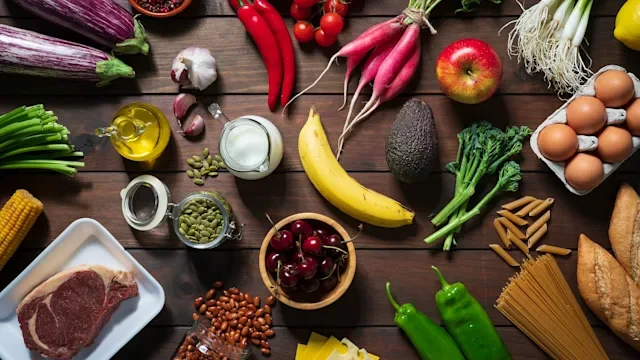
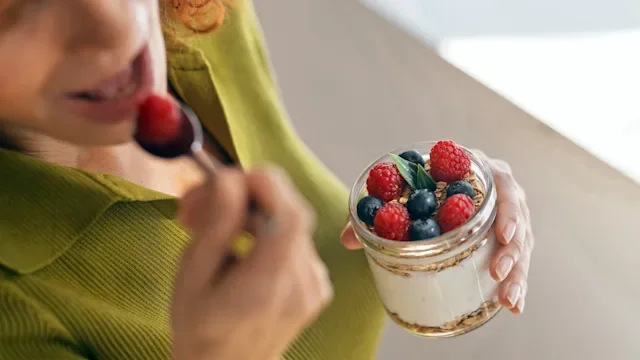
Sometimes, changing your eating habits can help you to control your appetite. And some foods help you stay full for longer and can even send signals to your brain that you’re no longer hungry.
Here are some strategies to consider:
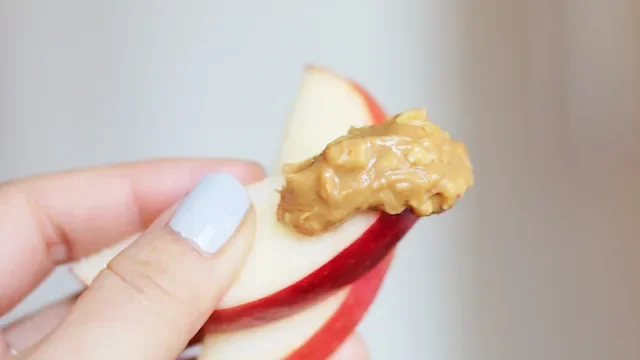
Prioritize calories from lean protein, slow-release carbohydrates, and high-fiber foods.
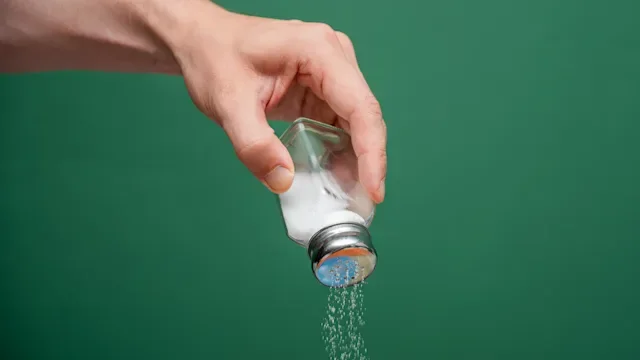
Reduce how much sugar and salt you consume.
Drink more water before and during meals.
Eat slowly and preferably at the same times every day if you can.
Some people also find it’s helpful to practice mindful eating. This can help you be more aware of what you’re eating — and why. It can also help you fully enjoy food and appreciate it as nourishment.
Medications
There are also medications that can help to suppress hunger and help you to feel more full. Some of these are approved for weight loss, while others are used off-label.
Examples of prescription medications that can lower appetite include:
Phentermine (Adipex-P, Lomaira)
Phendimetrazine (Bontril)
Benzphetamine (Didrex)
Tirzepatide (Zepbound)
Liraglutide (Saxenda)
These medications suppress appetite by mimicking certain hormones that signal fullness and reducing other signals of hunger and cravings. They aren’t risk free, but in some cases they can help with weight loss.
Frequently asked questions
There’s no good evidence that specific natural appetite suppressants work for women. Many supplements claim to reduce hunger, but the truth is: There isn’t much proof to support this. And unfortunately, many supplements can even be harmful to your health.
Your best option is to focus on your eating (and drinking) habits and behaviors. You can also talk with a healthcare professional about other options, like prescription medications.
Water is the best choice for helping to curb your appetite. Water is good for your health, and it can also help you to feel full. Though many people believe green tea and other caffeinated drinks can help with weight loss, there’s not much evidence that this is true.
You should also be wary of drinks that claim to suppress appetite with natural ingredients. They might not work. And in some cases they could even be hazardous to your health.
There’s no “best” OTC appetite suppressant. OTC appetite suppressants are marketed as “natural” alternatives to prescription medication. But the truth is: They just don’t work very well, especially when it comes to losing weight.
The body has many ways to tell you that you’re hungry and it’s time to eat. At the most basic level, the stomach and intestines send signals to the brain, which makes you feel hungry and want to eat. When you eat and start to digest, your body sends other signals to your brain that your energy needs have been met and that it’s time to stop eating.
But emotions, habits, and culture can all affect your relationship with food. Sometimes people eat for entertainment, pleasure, or as part of a social gathering ritual. People might eat out of boredom or to self-soothe after a stressful day. All this means that the mind can misread the body’s physical cues and struggle to tell the difference between hunger and cravings.
There’s no good evidence that specific natural appetite suppressants work for women. Many supplements claim to reduce hunger, but the truth is: There isn’t much proof to support this. And unfortunately, many supplements can even be harmful to your health.
Your best option is to focus on your eating (and drinking) habits and behaviors. You can also talk with a healthcare professional about other options, like prescription medications.
Water is the best choice for helping to curb your appetite. Water is good for your health, and it can also help you to feel full. Though many people believe green tea and other caffeinated drinks can help with weight loss, there’s not much evidence that this is true.
You should also be wary of drinks that claim to suppress appetite with natural ingredients. They might not work. And in some cases they could even be hazardous to your health.
There’s no “best” OTC appetite suppressant. OTC appetite suppressants are marketed as “natural” alternatives to prescription medication. But the truth is: They just don’t work very well, especially when it comes to losing weight.
The body has many ways to tell you that you’re hungry and it’s time to eat. At the most basic level, the stomach and intestines send signals to the brain, which makes you feel hungry and want to eat. When you eat and start to digest, your body sends other signals to your brain that your energy needs have been met and that it’s time to stop eating.
But emotions, habits, and culture can all affect your relationship with food. Sometimes people eat for entertainment, pleasure, or as part of a social gathering ritual. People might eat out of boredom or to self-soothe after a stressful day. All this means that the mind can misread the body’s physical cues and struggle to tell the difference between hunger and cravings.
The bottom line
Many people would be happy to hear about safe, natural supplements that could help with appetite control. But the reality is that, at best, most supplements have little evidence. And many may actually cause more harm than good.
If you decide to try supplements as natural appetite suppressants, it’s important to work with a primary care provider who has experience with them. In most cases, weight-loss supplements probably aren’t worth the health risk or the cost.

Why trust our experts?



References
Anderson, J. W., et al. (2009). Health benefits of dietary fiber. Nutrition Reviews.
Baer, D. J., et al. (2011). Whey protein but not soy protein supplementation alters body weight and composition in free-living overweight and obese adults. The Journal of Nutrition.
Cangiano, C., et al. (1992). Eating behavior and adherence to dietary prescriptions in obese adult subjects treated with 5-hydroxytryptophan. The American Journal of Clinical Nutrition.
Druce, M., et al. (2006). The regulation of appetite. Archives of Disease in Childhood.
Gibb, R. D. (2023). Psyllium is a natural nonfermented gel-forming fiber that is effective for weight loss: A comprehensive review and meta-analysis. Journal of the American Association of Nurse Practitioners.
Halford, J. C., et al. (2007). Serotonergic drugs: Effects on appetite expression and use for the treatment of obesity. Drugs.
Henry, D. A., et al. (1986). Glucomannan and risk of oesophageal obstruction. British Medical Journal.
Jull, A. B., et al. (2008). Chitosan for overweight or obesity. The Cochrane Database of Systematic Reviews.
Jurgens, T. M., et al. (2012). Green tea for weight loss and weight maintenance in overweight or obese adults. The Cochrane Database of Systematic Reviews.
Katzmarzyk, P. T., et al. (2020). Weight loss in underserved patients - A cluster-randomized trial. The New England Journal of Medicine.
Lewis, J. H. (1992). Esophageal and small bowel obstruction from guar gum-containing "diet pills": Analysis of 26 cases reported to the food and drug administration. American Journal of Gastroenterology.
Lunsford, K. E., et al. (2016). Dangerous dietary supplements: Garcinia cambogia-associated hepatic failure requiring transplantation. World Journal of Gastroenterology.
National Institute of Diabetes and Digestive and Kidney Diseases. (2019). Garcinia cambogia. LiverTox: Clinical and Research Information on Drug-Induced Liver Injury.
Nelson, J. B. (2017). Mindful eating: The art of presence while you eat. Diabetes Spectrum.
Office of Dietary Supplementary. (n.d.). Ephedra.
Office of Dietary Supplementary. (2022). Dietary supplements for weight loss.
Onakpoya, I., et al. (2010). The use of garcinia extract (hydroxycitric acid) as a weight loss supplement: A systematic review and meta-analysis of randomised clinical trials. Journal of Obesity.
Onakpoya, I., et al. (2011). The efficacy of long-term conjugated linoleic acid (CLA) supplementation on body composition in overweight and obese individuals: A systematic review and meta-analysis of randomized clinical trials. European Journal of Nutrition.
Onakpoya, I., et al. (2014). The efficacy of glucomannan supplementation in overweight and obesity: A systematic review and meta-analysis of randomized clinical trials. Journal of the American College of Nutrition.
Onakpoya, I., et al. (2016). The effect of grapefruits (Citrus paradisi) on body weight and cardiovascular risk factors: A systematic review and meta-analysis of randomized clinical trials. Critical Reviews in Food Science and Nutrition.
Pittler, M. H., et al. (2001). Guar gum for body weight reduction: Meta-analysis of randomized trials. American Journal of Medicine.
Sepandi, M., et al. (2022). Effect of whey protein supplementation on weight and body composition indicators: A meta-analysis of randomized clinical trials. Clinical Nutrition ESPEN.
Shekelle, P. G., et al. (2003). Efficacy and safety of ephedra and ephedrine for weight loss and athletic performance: A meta-analysis. JAMA.
U.S. Food and Drug Administration. (2024). Tainted weight loss products.
Zalewski, B. M., et al. (2015). The effect of glucomannan on body weight in overweight or obese children and adults: A systematic review of randomized controlled trials. Nutrition.