

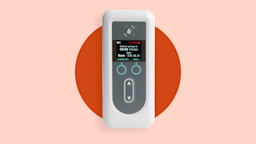
How Long Before Vyalev Works? Your Vyalev FAQs, Answered
Vyalev is a continuous levodopa therapy for Parkinson’s disease. Learn how long it takes Vyalev to work and more with answers to FAQs about the medication.
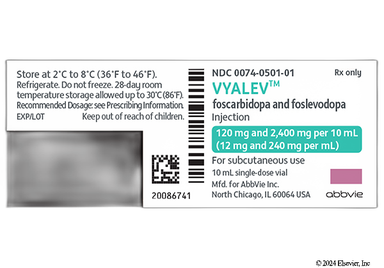
Vyalev (foscarbidopa / foslevodopa) is used to treat movement problems in adults with advanced Parkinson's disease (PD). It's given as a continuous infusion under the skin of the stomach using the Vyafuser pump. This anti-Parkinson medication helps raise and keep dopamine levels high in the brain. Side effects can include hallucinations and uncontrolled movements. It can also cause skin reactions where the medication is infused.

Vyalev contains two medications: foscarbidopa and foslevodopa. In the body, they turn into carbidopa and levodopa, which work together to raise dopamine levels in the brain. This helps relieve symptoms of Parkinson's disease (PD).
| Common Brands | Vyalev |
|---|---|
| Drug Class | Dopa decarboxylase inhibitor / Dopamine replacement |
| Controlled Substance Classification | Not a controlled medication |
| Generic Status | No lower-cost generic available |
| Availability | Prescription only |

The following side effects may get better over time as your body gets used to the medication. Let your healthcare provider know immediately if you continue to experience these symptoms or if they worsen over time.
Contact your healthcare provider immediately if you experience any of the following.
Side effects that you should report to your care team as soon as possible:
Side effects that usually do not require medical attention (report these to your care team if they continue or are bothersome):




Vyalev (foscarbidopa / foslevodopa) can cause some serious health issues. This risk may be even higher for certain groups. If this worries you, talk to your doctor or pharmacist about other options.
Vyalev (foscarbidopa / foslevodopa) can sometimes make you fall asleep suddenly, even if you didn't feel tired beforehand. This can happen while eating, talking, or even driving, which can be very dangerous.
Because of this risk, avoid driving or doing anything that requires your focus until you know how Vyalev (foscarbidopa / foslevodopa) affects you. This is extra important if you often feel sleepy or have ever fallen asleep suddenly before. Also avoid taking medications that make you sleepy since they can make this worse.
Let your prescriber know if you feel very sleepy during the daytime while taking Vyalev (foscarbidopa / foslevodopa). Also tell them if you fall asleep in the middle of activities that require your full attention.
Vyalev (foscarbidopa / foslevodopa) can raise the risk of hallucinations. They might come with confusion, trouble sleeping, or a lot of dreaming. These symptoms often happen shortly after starting the medication, and they might go away after your dose is lowered. Tell your care team if you or your loved ones notice you're hallucinating while you're taking Vyalev (foscarbidopa / foslevodopa).
Vyalev (foscarbidopa / foslevodopa) can also raise the risk of psychosis (abnormal thinking and behavior). This can include paranoia, delusions, aggression, agitation, and confusion. Call your care team if you notice these changes while taking this medication.
Because this medication can worsen psychosis, you shouldn't take Vyalev (foscarbidopa / foslevodopa) if you have certain mental health conditions. Also, some mental health medications, like haloperidol (Haldol), can make Parkinson's symptoms worse. They could also make Vyalev (foscarbidopa / foslevodopa) work less well. Let your prescriber know about any mental health problems you have.
Vyalev (foscarbidopa / foslevodopa) can sometimes make people act more impulsively. Some examples include having strong sexual or gambling urges, having urges to spend a lot of money, and binge eating. These behaviors can be hard to control.
Tell your care team if you or someone close to you notices you start having these urges while you're taking Vyalev (foscarbidopa / foslevodopa). In particular, tell them if the urges start to have a negative impact on your life. Your prescriber will also ask you about these behaviors during follow-up visits, since you might not notice them yourself.
Vyalev (foscarbidopa / foslevodopa) can cause skin reactions and infections where the pump tubing gets inserted into your stomach area. The area can become red, sore, swollen, bruised, or itchy. There could also be a rash or some bleeding. If this happens, tell your care team so they can give you tips on how to relieve and manage these reactions.
The most common infection at the infusion site is cellulitis (a skin infection). Watch for discolored skin, swelling, tenderness, chills, or a fever. Ask your care team about other signs of infection so you know when to call them. If you get an infection, your care team might have you change where the infusion site is. They could also tell you to stop Vyalev (foscarbidopa / foslevodopa) and take a carbidopa-levodopa pill instead until the infection clears up.
Although rare, stopping Vyalev (foscarbidopa / foslevodopa) or lowering the dose too quickly can cause withdrawal symptoms. They can look similar to symptoms of neuroleptic malignant syndrome (NMS). These symptoms can include very high fever, confusion, an irregular heartbeat, muscle stiffness, and changes in blood pressure.
Don't stop taking Vyalev (foscarbidopa / foslevodopa) or lower your dose without talking to your prescriber first. They can tell you how to do this in a safe way. Usually, this involves slowly lowering the dose.
Vyalev (foscarbidopa / foslevodopa) can cause or make uncontrolled movements (dyskinesias) worse. Tell your prescriber if you notice movements you can't control. They might need to lower the dose of your medication.
Taking Vyalev (foscarbidopa / foslevodopa) can lower your vitamin B6 levels. The risk of vitamin B6 deficiency is greater if you're taking a higher dose of the medication.
Low vitamin B6 can cause a rash, a swollen tongue, or numbness and tingling in your hands and feet. In serious cases, it can lead to depression, confusion, or even seizures. These seizures might not get better with usual anti-seizure medications. And they might only improve when given extra vitamin B6.
Your care team will check your vitamin levels with blood tests before you start Vyalev (foscarbidopa / foslevodopa). They'll also check again periodically during treatment. Tell your care team if you notice symptoms of low vitamin B6. These include a sore tongue, cracked corners of your mouth, or numbness and tingling. Your care team might suggest a vitamin B6 supplement to keep your levels up.
In studies, some people taking carbidopa-levodopa medications like Vyalev had a heart attack or an abnormal heart rhythm (arrhythmia). Tell your prescriber if you've ever had a heart attack or irregular heartbeat before starting this medication.
Get medical help right away if you notice signs of these heart problems while taking Vyalev (foscarbidopa / foslevodopa). Watch for chest pain that spreads to your neck, jaw, or arm. Also look out for a fast or irregular heartbeat, trouble breathing, or dizziness.
Vyalev (foscarbidopa / foslevodopa) might raise the pressure in the eyes in people with glaucoma. Tell your eye specialist that you're taking this medication. Make sure to go to your eye appointments so they can check your eye pressure regularly.

Vyalev (foscarbidopa / foslevodopa) is given as a continuous injection under the skin of your stomach. It's given using the Vyafuser pump.
Your prescriber will calculate how much medication you need each day based on your symptoms. The dose is based on the foslevodopa component of Vyalev. The maximum daily dose of foslevodopa is 3,525 mg (about 2,500 mg of levodopa).
They will also help set the infusion rate, which is how fast you'll receive the medication during the day. This depends on your dose and how many hours you're usually awake.
Your prescriber might decide that you need extra doses throughout the day. They'll tell you when to take them and how much to use, if needed. The pump can only give one extra dose per hour.

Contraindications are specific health conditions or situations in which a person should not take a medication due to safety concerns. If you have any of the following conditions or if any of the following apply to you, let your healthcare provider know because Vyalev (foscarbidopa / foslevodopa) will not be safe for you to take.


Prescription savings
Stop paying too much for your prescriptions. Compare prices, get pharmacy coupons, and save up to 80%.Resources
About GoodRx
 Find expert answers to your health questions so you can make the best decisions for yourself and your family.
Health conditions
Medications & treatment
Access & affordability
Well-being
Medication discounts

In studies, most people began to see improvements in their PD symptoms within the first week of starting Vyalev. These improvements can include reduced stiffness or fewer “off” periods. Keep in mind that it can take a few weeks to see the full benefits of the medication. This is because it can take some time for your prescriber to adjust your dose just right for you. Talk to your prescriber about how long the medication is taking to help with your PD symptoms.
Yes, Vyalev is meant to be used at home after your care team trains you or your caregiver. They'll show you how to attach and use the Vyafuser pump, switch injection sites, change the tubing, and fill the pump with more medication. Be sure to review the instructions for using the medication and the pump. Ask your care team if you need more help.
In studies, sleepiness wasn't a common side effect of Vyalev. But some people taking similar medications have suddenly fallen asleep without warning. Because of this, don't drive or do anything that needs your full attention until you know how the medication affects you. Tell your prescriber if you ever fall asleep while doing something that requires you to stay alert.
Keep Vyalev in the refrigerator, but don't let it freeze. If needed, you can also keep the vials at room temperature up to 86ºF for up to 28 days. Don't put the medication back in the fridge once it reaches room temperature.
Both Vyalev and Sinemet are used to treat symptoms related to Parkinson's disease (PD). They have similar ingredients that work in the same way. But the biggest difference is how they're taken. Sinemet comes as tablets that you take by mouth a few times a day. Vyalev is injected under the skin continuously using an infusion pump. Another difference is that Vyalev is FDA approved only to treat advanced PD. But Sinemet can be used for all stages of PD. Talk to your prescriber to compare and discuss which option is right for you.
