







Vitamin D Deficiency in Adults: Symptoms, Treatments, and Related Health Conditions
Research shows that vitamin D deficiency is related to a host of conditions and diseases. Learn more about vitamin D deficiency diseases here.
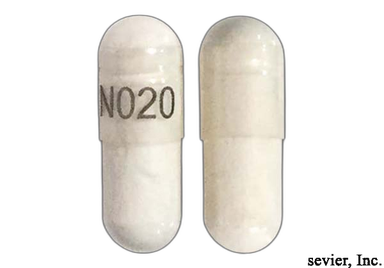
Vitamin D3 (cholecalciferol) is an over-the-counter dietary supplement that's taken by mouth to raise vitamin D levels. It's for adults and children who aren't getting enough vitamin D through food or sunlight, or for people who've certain conditions that cause vitamin D deficiency, like liver or kidney problems. Vitamin D3 (cholecalciferol) is usually taken daily, but it's sometimes taken weekly, depending on the dose. Vitamin D3 (cholecalciferol) isn't known to cause any side effects if you're taking the recommended dose.

Vitamin D3 (cholecalciferol) is a dietary supplement that boosts your body's vitamin D levels when it's low.
Vitamin D is a hormone that your body naturally makes. You can also get it through the foods you eat. Vitamin D is very important to help your body work properly. For example, you need vitamin D to absorb calcium, which is important to keep your bones strong. In addition, you also need vitamin D for healthy muscles, nerves, and immune systems.
| Common Brands | Vitamin D3, Decalcitrol, Decara High Potency Vitamin D3, Enfamil D-Vi-Sol, D-Trol |
|---|---|
| Drug Class | Dietary supplement |
| Controlled Substance Classification | Not a controlled medication |
| Generic Status | Lower-cost generic available |
| Availability | Over-the-counter |

The following side effects may get better over time as your body gets used to the medication. Let your healthcare provider know immediately if you continue to experience these symptoms or if they worsen over time.
See Risks and Warnings.
Contact your healthcare provider immediately if you experience any of the following.
Side effects that you should report to your care team as soon as possible:
Side effects that usually do not require medical attention (report these to your care team if they continue or are bothersome):




Vitamin D3 (cholecalciferol) can cause some serious health issues. This risk may be even higher for certain groups. If this worries you, talk to your doctor or pharmacist about other options.
Vitamin D3 (cholecalciferol) shouldn't be used if you have high levels of calcium or vitamin D in your blood. If you take more vitamin D3 (cholecalciferol) than the recommended or prescribed dose, it can cause calcium to build up in your blood. This can be dangerous for your kidneys. If you're taking vitamin D3 (cholecalciferol) to treat low vitamin D levels or other conditions diagnosed by your provider, be sure to get all ordered blood tests done on time. That way, your provider can make sure your vitamin D levels aren't too high and you're taking the correct dose. If you notice unexplained nausea that doesn't go away, a loss of appetite, weight loss, constipation, muscle pain, muscle stiffness, or a change in how much or how often you urinate, talk to your provider. These could be early signs that you're taking too much vitamin D and your calcium blood level is too high.

Vitamin D3 (cholecalciferol) is taken by mouth. Your dose will depend on your individual needs. Ask your healthcare provider or pharmacist about what dose and how often you should take vitamin D3 (cholecalciferol) .
Vitamin D3 (cholecalciferol) comes in many different strengths. The dose of vitamin D3 (cholecalciferol) is measured in both micrograms (mcg) and international units (IU): 1 mcg vitamin D is equal to 40 IU.
The highest strength of vitamin D3 (cholecalciferol) is 1,250 mcg (which is 50,000 IU) and is typically reserved to treat very low vitamin D levels and certain related conditions.


Contraindications are specific health conditions or situations in which a person should not take a medication due to safety concerns. If you have any of the following conditions or if any of the following apply to you, let your healthcare provider know because Vitamin D3 (cholecalciferol) will not be safe for you to take.











Prescription savings
Stop paying too much for your prescriptions. Compare prices, get pharmacy coupons, and save up to 80%. Find expert answers to your health questions so you can make the best decisions for yourself and your family.
Health conditions
Medications & treatment
Access & affordability
 Our monthly healthcare membership can help you save thousands on your prescription costs.
Resources

Check in with your provider to see if you need to start taking Vitamin D3 daily. Many people already get enough vitamin D through foods or sunlight and don't need to take a Vitamin D3 supplement. But if you need to start Vitamin D3, your provider can recommend a dose based on your age, diet, and what health conditions you have. In general, healthy children and adults need 600 IU daily. But older adults ages 70 and older need 800 IU per day.
Don't take 5,000 IU of Vitamin D3 every day unless your provider instructed you to do so. This dose is higher than the recommended dietary allowance (RDA) of vitamin D for adults and children; most people don't need to take this much vitamin D every day. Depending on what medical condition you have, your provider might recommend that you take a higher daily dose of vitamin D, but only for a limited period of time. Taking too much vitamin D for a long period of time can be harmful to your health.
Yes, it's possible to take too much Vitamin D3. Taking higher-than-recommended doses of Vitamin D3 over long periods of time can cause symptoms such as confusion, vomiting, and muscle weakness. Ask your provider how much vitamin D is safe for you to take. Also, double check the ingredients on all of your supplements to make sure you're not taking more vitamin D than you're aware of; Vitamin D3 is a common ingredient in multivitamins. If you experience symptoms of vitamin D toxicity such as confusion, nausea, muscle weakness, or irregular heartbeat, call your provider right away.
You can take Vitamin D3 at any time of the day. If your provider recommends you to take Vitamin D3 daily, it's best to take it at the same time every day so that the amount of vitamin D in your system stays consistent. If you're taking Vitamin D3 once a week, make sure to take it on the same day every week.
No. The recommended dietary allowance (RDA) for vitamin D is the same for males and females, no matter the age.
Yes, Vitamin D3 is a form of vitamin D. There are two main forms of vitamin D found in supplements and foods: vitamin D2 (ergocalciferol) and Vitamin D3. They're both considered "vitamin D" and differ slightly in their chemical structure.
Both vitamin D2 (ergocalciferol) and Vitamin D3 are forms of vitamin D, and they're both used to treat low levels of vitamin D. However, research suggests that Vitamin D3 might work better. Another difference is that vitamin D2 (ergocalciferol) is typically made from plant sources, while Vitamin D3 often comes from animal sources. It's unlikely your provider would recommend taking both vitamin D2 and D3 at the same time, since they work similarly to raise vitamin D levels in your body. Also, taking too much vitamin D can lead to serious side effects.
