nevirapine
Nevirapine (Viramune) is a medication that's used as part of an antiretroviral (ARV) regimen to treat human immunodeficiency virus (HIV) infections. It's available in both immediate-release and extended-release formulations. Nevirapine (Viramune) also comes as an oral suspension for people who have trouble swallowing and children. Rarely, this medication can cause severe rash in the first 4 months of treatment. Get medical attention right away if rash happens.


What is Nevirapine (Viramune)?
What is Nevirapine (Viramune) used for?
- HIV infection
How Nevirapine (Viramune) works
Nevirapine (Viramune) is a non-nucleoside reverse transcriptase inhibitor (NNRTI). It blocks a protein in HIV called reverse transcriptase that usually helps the virus make copies of itself. By blocking this protein, nevirapine (Viramune) prevents the HIV virus from spreading.
Drug facts
| Common Brands | Viramune |
|---|---|
| Drug Class | HIV ARV |
| Controlled Substance Classification | Not a controlled medication |
| Generic Status | Lower-cost generic available |
| Availability | Prescription only |

Side effects of Nevirapine (Viramune)
The following side effects may get better over time as your body gets used to the medication. Let your healthcare provider know immediately if you continue to experience these symptoms or if they worsen over time.
Common Side Effects
- Rash (5-7%)
- Nausea (1-9%)
Less Common Side Effects
- Headache
- Feeling tired
- Diarrhea
- Belly pain
- Muscle pain
Nevirapine (Viramune) serious side effects
Contact your healthcare provider immediately if you experience any of the following.
- Severe allergic reactions: fever, rash, general discomfort, muscle or joint pain, mouth sores, blisters, facial swelling
- Liver injury: nausea, vomiting, not feeling hungry, pain in the right side of the stomach, yellowing of the whites of the eyes or skin, dark-colored urine, light-colored stool
The following Nevirapine (Viramune) side effects have also been reported
Side effects that you should report to your care team as soon as possible:
- Allergic reactions—skin rash, itching, hives, swelling of the face, lips, tongue, or throat
- Liver injury—right upper belly pain, loss of appetite, nausea, light-colored stool, dark yellow or brown urine, yellowing skin or eyes, unusual weakness or fatigue
- Rash, fever, and swollen lymph nodes
- Redness, blistering, peeling, or loosening of the skin, including inside the mouth
Side effects that usually do not require medical attention (report to your care team if they continue or are bothersome):

Pros and cons of Nevirapine (Viramune)
Pros
- Available as a lower-cost generic medication
- Available in short-acting and long-acting forms, so options to take once or twice daily
- Available as an oral solution, so it's convenient for people who has trouble swallowing
- Can be used in children 15 days or older (short-acting tablets and oral solution only)
Cons
- Interacts with many medications, including some other HIV medications (e.g., atazanavir (Reyataz))
- Immediate-release formulation needs to be taken twice daily after the first 2 weeks of treatment
- Can cause severe rash or liver problems
- Not a good option for pregnancy

Pharmacist tips for Nevirapine (Viramune)

- Take nevirapine (Viramune) extended-release tablets whole. Don't crush or chew the tablets since this can affect how the medication works. Sometimes, you might find pieces of the tablet in your stool. This is normal and you've still received the full dose.
- Shake the bottle of nevirapine (Viramune) oral suspension gently before using. Make sure to only use a medication dose cup or syringe from the pharmacy to measure out your dose. Don't use household spoons because they aren't accurate and might cause you to take the wrong dose.
- After finishing your dose of nevirapine (Viramune) oral suspension, make sure to rinse the dosing cup with water and drink it again to get all the medication.
- Make sure to get your routine blood tests done on time while you’re taking nevirapine (Viramune), especially in the first 4 months. This helps your provider make sure the medication is working for you and not causing side effects.
- Nevirapine (Viramune) can cause a life-threatening skin reaction. If you experience rash with fever, body aches, extreme tiredness, mouth sores, blisters, or facial swelling, get medical attention right away.
- Nevirapine (Viramune) can cause severe liver problems that can be dangerous. If you experience dark urine, yellowing of your skin or whites of your eyes, light-colored stools, nausea, loss of appetite, feeling tired, or pain on your right side, get medical attention immediately.
- Let your provider or pharmacist know what medications you're taking or planning to take, including over-the-counter products and supplements. Nevirapine (Viramune) can interact with many medications. These interactions can affect how well your medications work or how safe they are for you.
- If your child is taking nevirapine (Viramune), tell their provider if your child experiences any changes in weight. Your child's dose is based on their weight, so the dose might need to be changed depending on how much the change in weight is.
- Talk to your provider before stopping nevirapine (Viramune) or any of your HIV medications. Doing so can cause the virus to spread and become harder to treat.

Risks and warnings for Nevirapine (Viramune)
Nevirapine (Viramune) can cause some serious health issues. This risk may be even higher for certain groups. If this worries you, talk to your doctor or pharmacist about other options.
Liver problems
- Risk factors: People with high white blood cell counts | Females | Hepatitis B or C | History of liver problems
 Nevirapine (Viramune) can cause life-threatening liver problems that might lead to liver failure and the need for a liver transplant. These problems are more common in the first 4 months of treatment. If you've a history of moderate to severe liver problems, don't take nevirapine (Viramune). Your provider'll ask you to get blood tests done before and during treatment to check your liver health. If you have any of the risk factors, please talk with your provider so they can decide how you can safely take nevirapine (Viramune).
 People who develop liver problems in the first 4 months of treatment might experience rash along with symptoms of liver injury. If you experience signs and symptoms of liver damage, such as feeling sleepy, nausea, loss of appetite, light-colored stool, upper right stomach pain, yellowing of the skin or eyes, or dark urine, talk with your provider immediately.
Severe skin and allergic reactions
- Risk factor: Females
Nevirapine (Viramune) can cause severe skin reactions and allergic reactions that are sometimes life-threatening. Most people who developed skin reactions did so within the first 6 weeks of treatment. The risk for these reactions is the greatest within the first 4 months. This is why it's important to start with a lower dose of nevirapine (Viramune) so your provider can see how you tolerate this medication. Watch out for allergic reactions. If you experience a severe rash with fever, general discomfort, muscle or joint pain, mouth sores, blisters, or facial swelling, stop taking nevirapine (Viramune) right away and get medical attention.
If you have a serious allergic reaction, your provider will probably switch you to a different medication to treat HIV. Your provider might also check your liver health through blood work since severe allergic reactions can sometimes lead to liver injury.
Overactive immune system
Taking combination ARV therapy, such as nevirapine (Viramune) with other HIV medications, can cause changes to your immune system called immune reconstitution syndrome. This medical condition happens when your immune system becomes more active after you start combination therapy. Your immune system begins to fight off different infections that it was too weak to fight off before you started treatment. In rare cases, your immune response might improve so much with treatment that it starts to attack normal cells in your body (autoimmune). You can develop immune reconstitution syndrome as early as during the first few weeks of treatment or many months later. Tell your healthcare provider right away if you start having any new symptoms, such as fever, pain, hair loss, bulging eyes, or sweating, after starting nevirapine (Viramune).
Changes in body fat
- Risk factor: Taking HIV medications
Rarely, people taking HIV medications, such as nevirapine (Viramune), have experienced changes in body fat. These changes include fat buildup in the back of the neck, breast, and around the middle of your body. Some people also lost fat from the legs, arms, and face. It's not clear whether nevirapine (Viramune) causes these changes to body fat, why this happens, and whether it will affect your health in the future. Let your provider know if these changes occur while you're taking nevirapine (Viramune).
Interactions with other medications
Some medications can interfere with how well your body gets rid of nevirapine (Viramune) from your system. This can affect the amount of nevirapine (Viramune) in your body, how well it works, and the risk of side effects.
Taking certain medications, such as rifampin (Rifadin), can lower the amount of nevirapine (Viramune) in your body. This can make nevirapine (Viramune) not work as well to treat your HIV. On the other hand, taking medications like fluconazole (Diflucan) can raise the amount of nevirapine (Viramune) in your body and put you at higher risk for serious side effects, such as rash.
Nevirapine (Viramune) also gets in the way of how your body gets rid of other medications. For example, taking nevirapine (Viramune) with medications like clarithromycin can lower the amount of clarithromycin in your body. This can cause your bacterial infection to get worse.
Because of the potential for interactions with nevirapine (Viramune) and various medications, tell your provider and pharmacist about all the medications you take or plan to take. They can make sure your medications are safe to take together.

Nevirapine (Viramune) dosage


How much does Nevirapine (Viramune) cost?

Nevirapine (Viramune) contraindications
Contraindications are specific health conditions or situations in which a person should not take a medication due to safety concerns. If you have any of the following conditions or if any of the following apply to you, let your healthcare provider know because Nevirapine (Viramune) will not be safe for you to take.
- Moderate to severe liver problems
- Post-exposure prophylaxis (PEP) treatment

What are alternatives to Nevirapine (Viramune)?

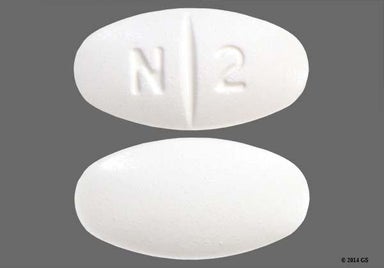
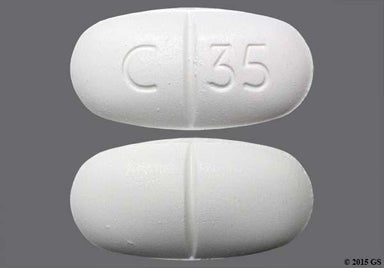
Nevirapine (Viramune) images