



5 Foods to Avoid When Taking Creon: High-Fiber Foods, Hot Drinks, and More
Creon is a digestive aid that contains pancreatic enzymes. Certain foods, such as hot coffee and high-fiber foods, can interact with Creon and should be limited.
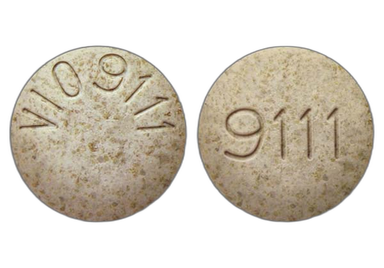
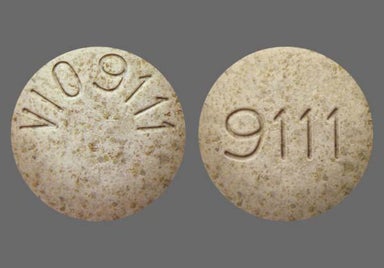
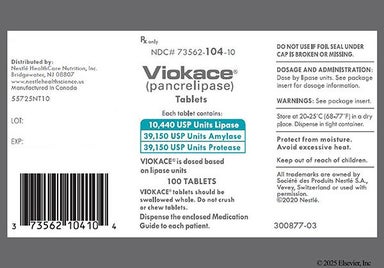
Viokace (pancrelipase) is a prescription medication used to treat adults with exocrine pancreatic insufficiency (EPI) caused by chronic pancreatitis or surgery to remove the pancreas. Unlike other pancreatic enzyme products, it doesn't have a special coating to protect the enzymes from stomach acid, so it must be taken with a proton pump inhibitor (PPI). The medication comes as a tablet you take by mouth with meals and snacks, and your prescriber will help decide the right dose for you. Common side effects include anal itching and gallstones. Right now, no generic version is available.

Viokace (pancrelipase) is an enzyme replacement therapy. It works by giving your body the digestive enzymes that it can't make enough of on its own. Specifically, it replaces three pancreatic enzymes (lipase, amylase, and protease), which help you break down fats, proteins, and carbohydrates in your food. By improving digestion, Viokace (pancrelipase) helps your body absorb nutrients better and can reduce stomach problems like bloating and fatty stools.
| Common Brands | Viokace |
|---|---|
| Drug Class | Enzyme replacement therapy |
| Controlled Substance Classification | Not a controlled medication |
| Generic Status | No lower-cost generic available |
| Availability | Prescription only |

The following side effects may get better over time as your body gets used to the medication. Let your healthcare provider know immediately if you continue to experience these symptoms or if they worsen over time.
Contact your healthcare provider immediately if you experience any of the following.
Along with its needed effects, a medicine may cause some unwanted effects. Although not all of these side effects may occur, if they do occur they may need medical attention.
Check with your doctor immediately if any of the following side effects occur:
Rare
Skin rash or hives
With powder dosage form or powder from opened capsules
if breathed in
tightness in the chest
trouble breathing
With tablets
if held in the mouth
Irritation of the mouth
Some side effects may occur that usually do not need medical attention. These side effects may go away during treatment as your body adjusts to the medicine. Also, your health care professional may be able to tell you about ways to prevent or reduce some of these side effects. Check with your health care professional if any of the following side effects continue or are bothersome or if you have any questions about them:
More common
Blurred vision
flushed, dry skin
fruit-like breath odor
headache
increased hunger
increased thirst
increased urination
sweating
unexplained weight loss
vomiting
Less common
Abnormal feces
bloated feeling
chills
cold sweats
confusion
cool, pale skin
excess air or gas in the stomach or intestines
feeling of fullness
frequent bowel movements
loss of consciousness
muscle aches
nightmares
passing gas
seizures
shakiness
slurred speech
Incidence not known
Difficulty having a bowel movement
difficulty with moving
muscle aching or cramping
muscle pains or stiffness
swollen joints
Other side effects not listed may also occur in some patients. If you notice any other effects, check with your healthcare professional.
Call your doctor for medical advice about side effects. You may report side effects to the FDA at 1-800-FDA-1088.




Viokace (pancrelipase) can cause some serious health issues. This risk may be even higher for certain groups. If this worries you, talk to your doctor or pharmacist about other options.
Though rare, Viokace (pancrelipase) can sometimes cause serious scarring in the colon, called fibrosing colonopathy, especially if you take high doses or use it for a long time. This problem has been reported most often in children with cystic fibrosis.
To lower your risk, take Viokace (pancrelipase)] only as directed by your prescriber and never more than recommended. Watch for symptoms like stomach pain, bloating, constipation, diarrhea, nausea, or vomiting, and let your prescriber know right away if they happen.
Don’t crush or chew Viokace (pancrelipase) tablets because this can irritate your mouth and make the medication work less well. Always swallow the tablets whole and drink plenty of water right after taking them to be sure they go down completely.
Viokace (pancrelipase) can raise the uric acid levels in your blood, which can increase your risk for gout. If you already have gout, kidney problems, or high uric acid levels, your prescriber might check your blood during treatment to keep you safe. Watch for symptoms such as sudden joint pain, swelling, redness, warmth, or stiffness, especially in the big toe, ankle, or knee, and let your prescriber know if they occur.
Though very rare, Viokace (pancrelipase) might carry a small risk of viral infection because it’s made from pig pancreas tissue. The chance of this happening is extremely low since the medication goes through strict manufacturing processes to remove or kill viruses. No cases of infection from Viokace (pancrelipase)] have ever been reported. If you’re concerned about this risk, talk with your care team.
Severe allergic reactions have been reported with Viokace (pancrelipase), including anaphylaxis, asthma, hives, and itching. Because this medication is made from pig pancreas tissue, let your prescriber know if you have an allergy to pork products. Your care team will then decide if the benefits of taking Viokace (pancrelipase)] outweigh the risks for your health.
Viokace (pancrelipase) contains lactose, so if you’re lactose intolerant, you might have trouble taking this medication. Be sure to tell your prescriber if you have lactose intolerance before starting this medication.


Although certain medicines should not be used together at all, in other cases two different medicines may be used together even if an interaction might occur. In these cases, your doctor may want to change the dose, or other precautions may be necessary. Tell your healthcare professional if you are taking any other prescription or nonprescription (over-the-counter [OTC]) medicine.




Prescription savings
Stop paying too much for your prescriptions. Compare prices, get pharmacy coupons, and save up to 80%. Find expert answers to your health questions so you can make the best decisions for yourself and your family.
Health conditions
Medications & treatment
Access & affordability
Medication discounts


No, you can't open Viokace because it only comes as a tablet. If you have trouble swallowing tablets, let your prescriber know. There might be other treatment options that could work better for you.
No, you shouldn't crush or chew Viokace tablets because this could cause mouth irritation and make the medication work less well. If you have trouble swallowing tablets, talk with your prescriber for guidance and possible alternatives.
Yes, you should take Viokace with food. The medication is meant to be taken with meals or snacks so it can help your body digest fats, proteins, and carbohydrates. Follow your prescriber's instructions carefully on how to take this medication.
Viokace and Creon (pancrelipase) both contain the same digestive enzymes, but there are some key differences. Creon (pancrelipase) comes as a capsule and is approved for both children and adults, while Viokace comes as a tablet and is only approved for adults. Another difference is that Viokace must be taken with a proton pump inhibitor (PPI) so stomach acid doesn't break down the enzymes before they work, while Creon (pancrelipase) doesn't require this. Talk with your prescriber to learn about more differences between these two medications.
