VIDEO CENTER
Multiple Sclerosis
Today, there are many medication options to treat MS. If one medication doesn’t work or causes severe side effects, there’s likely another option that could be a better fit.

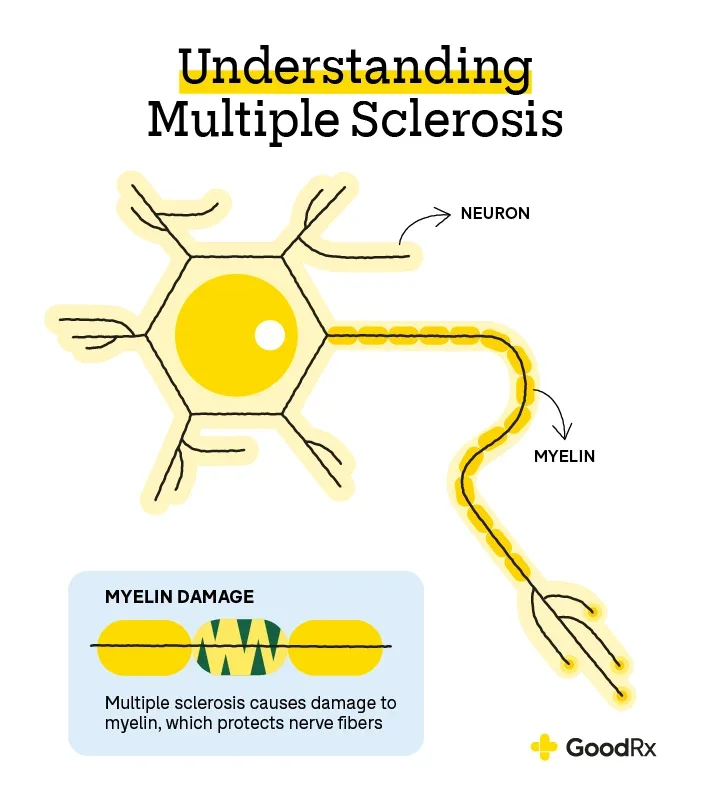
It used to be the case that there were no good treatments for multiple sclerosis. This is an autoimmune disease that attacks the central nervous system (the brain, spinal cord, and optic nerve). The attacks on the nervous system cause symptoms like blurry vision, numbness, weakness, and difficulty walking, to name a few.
When you think of people with multiple sclerosis, you might think of people who need a cane or wheelchair to get around. This was once the case, but it's not necessarily true today.
“A lot of people do know people in their community [who] had MS before it was treatable,” says Michelle Fabian, MD, a Neurologist at The Mount Sinai Hospital. “Now that we have treatments, we think the condition has significantly changed."
There is no cure for MS yet. However, a comprehensive treatment approach can slow the disease progression, treat relapses, and manage symptoms, according to the National Multiple Sclerosis Society. Today, people with multiple sclerosis are much less likely to need a cane or wheelchair.
That said, there are still a subset of people with MS who will develop more aggressive disease that is harder to treat. Research is still being done to improve outcomes for these people. Early diagnosis can also be important in many cases to change the trajectory of the disease.
In her practice, Dr. Fabian says she now diagnoses patients with MS with a message of hope.
“It's a very different diagnosis than it was 30 years ago when we didn't have treatments,” she says. “So now what I tell patients is, you know, we've listened to your story. We've looked at your MRIs and they are consistent with having multiple sclerosis. But this is a treatable condition, and I expect that you're going to continue to live your life. [It] might not actually change much from before you knew you had the diagnosis.”
Even if you do experience challenges with mobility, there are many ways to enjoy a good quality of life. For example, home modifications can support your independence, safety, and mobility.
Prescription savings
Stop paying too much for your prescriptions. Compare prices, get pharmacy coupons, and save up to 80%. Find expert answers to your health questions so you can make the best decisions for yourself and your family.
Health conditions
Medications & treatment
Access & affordability
Medication discounts


