Trogarzo
Trogarzo (ibalizumab or ibalizumab-uiyk) is an injectable human immunodeficiency virus (HIV) antiretroviral (ARV) medication. It must be given in combination with other ARVs. Trogarzo (ibalizumab) is meant for people who've taken HIV ARVs for a while but haven't had successful treatment due to medication resistance. After the starting dose infusion, Trogarzo (ibalizumab) can be given as a 15-minute infusion or a 30-second injection once every 2 weeks. Some common side effects of this medication include diarrhea, nausea, and dizziness.


What is Trogarzo (ibalizumab)?
What is Trogarzo (ibalizumab) used for?
- HIV (in combination with other HIV medications) when other HIV treatments haven't worked well
How Trogarzo (ibalizumab) works
Trogarzo (ibalizumab) is a monoclonal antibody and HIV attachment inhibitor. It blocks HIV from attaching and entering your CD4 immune cells in order to prevent the virus from spreading.
Drug facts
| Common Brands | Trogarzo |
|---|---|
| Drug Class | HIV ARV |
| Controlled Substance Classification | Not a controlled medication |
| Generic Status | No lower-cost generic available |
| Availability | Prescription only |

Side effects of Trogarzo (ibalizumab)
The following side effects may get better over time as your body gets used to the medication. Let your healthcare provider know immediately if you continue to experience these symptoms or if they worsen over time.
Common Side Effects
- Labs suggesting kidney problems (10%)
- Diarrhea (8%)
- Dizziness (8%)
- Labs suggesting liver problems (up to 5%)
- Abnormal blood cell counts (up to 5%)
- Nausea (5%)
- Rash (5%)
Less Common Side Effects
- Infusion-related reactions
- Itchy skin
Trogarzo (ibalizumab) serious side effects
Contact your healthcare provider immediately if you experience any of the following.
- Infusion-related or allergic reactions: breathing problems, face-swelling, wheezing, chest pain and tightness
- Immune system changes: fever, difficulty breathing, pain, sudden changes to your health
The following Trogarzo (ibalizumab) side effects have also been reported
Side effects that you should report to your care team as soon as possible:
- Allergic reactions—skin rash, itching, hives, swelling of the face, lips, tongue, or throat
Side effects that usually do not require medical attention (report to your care team if they continue or are bothersome):

Pros and cons of Trogarzo (ibalizumab)
Pros
- Good option for people who haven't had success with other HIV medications
- Only given once every 2 weeks
- Can be administered in a clinic, healthcare provider's office, or at home
Cons
- Injection must be given by a healthcare professional
- Not studied in children or older adults
- Need to restart treatment with starting dose if you miss a dose by more than 3 days

Pharmacist tips for Trogarzo (ibalizumab)

- Trogarzo (ibalizumab) is given as an injection into your vein by a healthcare professional. The first infusion will last at least 30 minutes. After that, plan for at least an hour so your care team will monitor you for side effects or reactions. If you don't have a reaction, they'll likely only need to monitor you for 15 minutes after future doses.
- Trogarzo (ibalizumab) should be given along with other HIV medications. Don't stop other ARVs just because you're starting Trogarzo (ibalizumab) without talking to your provider first.
- Although Trogarzo (ibalizumab) doesn't have any known interactions with other medications, still tell your provider and pharmacist about all of your other medications that you're taking because they may affect how well your other HIV medications work (or vice versa).
- If you're interested in receiving home infusions, talk with your healthcare provider. You might be able to have Trogarzo (ibalizumab) infusions done at home if they think it's safe to do so. In this case, you might get the medication shipped directly to your home. Make sure you refrigerate the vials when you receive them. Don't try to mix or dilute the medication yourself, a healthcare professional will do that for you when it's time to give your dose.

Risks and warnings for Trogarzo (ibalizumab)
Trogarzo (ibalizumab) can cause some serious health issues. This risk may be even higher for certain groups. If this worries you, talk to your doctor or pharmacist about other options.
Infusion-related and allergic reactions
- Risk factors: History of allergic reaction to Trogarzo (ibalizumab)
Some people have allergic reactions during their Trogarzo (ibalizumab) infusion. Symptoms include trouble breathing, nausea, facial swelling, wheezing, chest pain or tightness, and hot flashes. Let your care team know if you start to feel any of these symptoms during your infusion. If appropriate, they'll stop your Trogarzo (ibalizumab) infusion and treat your symptoms. If your allergic reaction is very severe, then your provider will need to find alternative treatments for your HIV.
Immune reconstitution syndrome
- Risk factors: Weakened immune system | Current untreated infection
Although extremely rare, people treated with Trogarzo (ibalizumab) have experienced immune reconstitution inflammatory syndrome(IRIS). This is a reaction that typically occurs during the first 6 months after starting HIV ARV. While the exact reason IRIS happens isn't known, it's thought that as your immune system grows stronger, it starts to fight against infections that you've had in your body before. Most of the time, symptoms of IRIS are mild. Call your provider if you experience fever, difficulty breathing, or sudden changes to your health after starting Trogarzo (ibalizumab).
Possible harm to unborn babies
There's not a lot of research regarding the safety of Trogarzo (ibalizumab) during pregnancy. However, animal studies show that Trogarzo (ibalizumab) given during pregnancy might weaken the immune system of the unborn baby. Let your provider know if you become pregnant or are planning to become pregnant. They can discuss with you the risks and benefits of receiving Trogarzo (ibalizumab) during pregnancy. If you choose to take Trogarzo (ibalizumab) during pregnancy, you're encouraged to register with the Antiretroviral Pregnancy Registry (APR) at 1–800–258–4263 to help researchers better understand the effects of this medication has on pregnancy.

Trogarzo (ibalizumab) dosage
Typical dosage for Trogarzo (ibalizumab)
Trogarzo (ibalizumab) is usually given in a hospital or another healthcare setting by a healthcare provider.
- Starting dose: The typical dose is 2,000 mg infused into the veins (IV) once, over 30 minutes.
- Maintenance dose: Two weeks after your starting dose, your provider will start your maintenance dose. The typical dose is 800 mg infused IV over 15 minutes or given as a fast IV injection over 30 seconds, once every 2 weeks.

What are alternatives to Trogarzo (ibalizumab)?
Human immunodeficiency virus type 1 (HIV-1) infection in adults who've received HIV medications in the past, and:

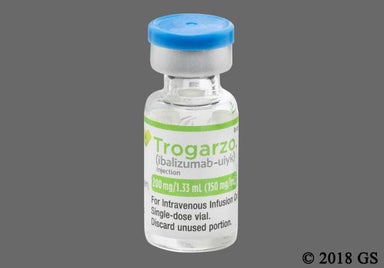
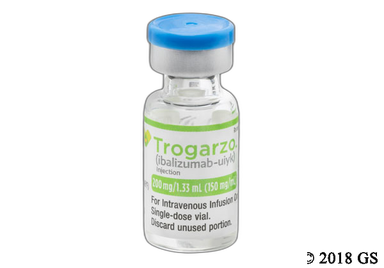
Trogarzo (ibalizumab) images