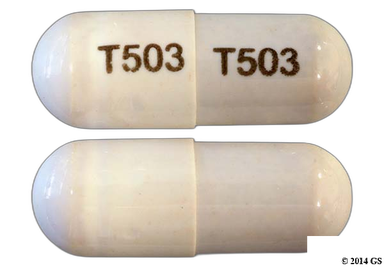
Se-Tan Plus
A multivitamin is a combination dietary supplement that contains several important vitamins and minerals needed to support your overall health. There are many brands and manufacturers of multivitamins, so read the manufacturer's label carefully to make sure you have the right multivitamin that you're looking for.


What is Multivitamin?
What is Multivitamin used for?
- Dietary supplement
How Multivitamin works
Drug facts
| Common Brands | Centrum, Daily-Vite, Multitam, Tab-a-Vite, Thera M |
|---|---|
| Drug Class | Dietary supplement |
| Controlled Substance Classification | Not a controlled medication |
| Generic Status | Lower-cost generic available |
| Availability | Prescription or over-the-counter |

Side effects of Multivitamin
The following side effects may get better over time as your body gets used to the medication. Let your healthcare provider know immediately if you continue to experience these symptoms or if they worsen over time.
Common Side Effects
See Risks and Warnings.
Multivitamin serious side effects
Contact your healthcare provider immediately if you experience any of the following.
- Severe allergic reaction: rash; trouble breathing; swelling of the face, lips, tongue, or throat

Get your GoodRx coupon

Pros and cons of Multivitamin
Pros
- Usually taken once per day
- Conveniently combines several active ingredients together
- Several manufacturers of multivitamins with different ingredients are readily available.
Cons
- Some specific multivitamins are brand-name only, which can be expensive.
- Some multivitamins are available only with a prescription.
- Difficult to customize individual ingredients

Pharmacist tips for Multivitamin

- Please carefully read the manufacturer's label, and follow the specific directions for the particular product you have or the directions your provider gave you. Different brands of multivitamins can have different directions, since they can contain different ingredients, amount of ingredients, and can come in different formulations.
- Keeping a healthy and balanced diet that contains natural sources of vitamins and minerals while taking a multivitamin might help maintain your nutrient levels. If needed, you can talk to a nutritionist about a dietary plan that works for you.
- Tell your provider or pharmacist about all the medications and dietary supplements you're taking before starting a multivitamin to make sure there are no interactions. The vitamin B6 (pyridoxine) in some multivitamins can interact with certain Parkinson's disease medications, such as Sinemet (carbidopa / levodopa) or Rytary (carbidopa / levodopa), making them work less well.
- Vitamin B6 can also cause a higher risk of bleeding in people taking anticoagulants, such as aspirin or clopidogrel (Plavix).
- Store your multivitamin at room temperature and away from children. If your child accidentally took any multivitamins, get medical help or call the Poison Control Center at 1-800-222-1222 right away.

Risks and warnings for Multivitamin
Multivitamin can cause some serious health issues. This risk may be even higher for certain groups. If this worries you, talk to your doctor or pharmacist about other options.
Possible toxicity from taking too much
- Risk factors: Taking more than the recommended dose | Taking multiple products that contain the same ingredients
Many multivitamin products and dietary supplements can contain the same vitamins, minerals, and other ingredients. If you're taking multiple products, you could take too much of certain ingredients, which could lead to side effects. Always check with your provider or pharmacist to make sure you're not taking too much of any one ingredient, and follow the directions on the label of your product carefully.
Potential to hide anemia due to low vitamin B12
Many multivitamins contain folic acid, which can sometimes mask a condition called pernicious anemia (a type of anemia due to low vitamin B12 levels). If you have low vitamin B12 levels, let your provider or pharmacist know, and ask them if a particular multivitamin is right for you.
Some multivitamin formulations can be harmful for people with phenylketonuria (PKU)
Some flavored formulations of multivitamins (e.g., chewable tablets) might contain aspartame as a sweetener. One component of aspartame is phenylalanine, which can cause serious health problems if you have a rare condition called phenylketonuria (PKU). Read the manufacturer's label on the multivitamin product you have to see if there's a warning for people with PKU. Talk to a provider so they can recommend a multivitamin for you. There are multivitamin brands and formulations available that might be safer for you.

Multivitamin dosage
 Capsule
| Dosage | Quantity | Price as low as | Price per unit |
|---|---|---|---|
| 32.5mg/115.2mg/200mg | 30 capsules | $18.45 | $0.62 |



