



What Is Formication? Why Some People Experience a Skin Crawling Feeling
Formication feels like bugs are crawling on or beneath your skin. It can be caused by mental conditions as well as drug use. Learn more with GoodRx.
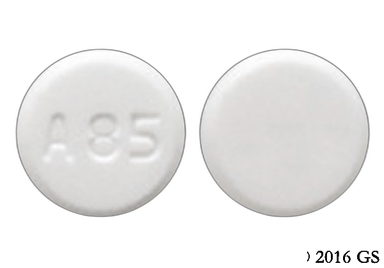
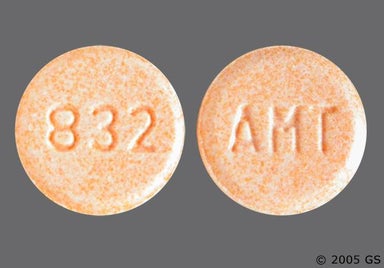
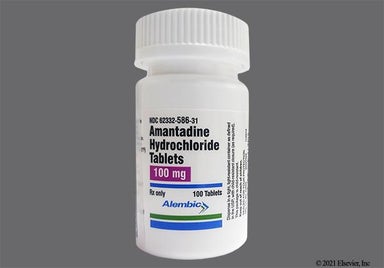
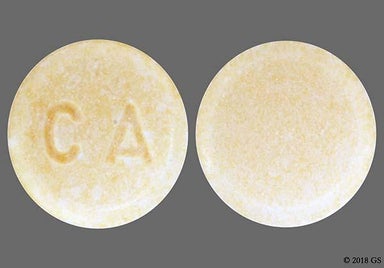
Amantadine is an NMDA antagonist. It's used to treat symptoms of movement disorders in adults, including Parkinson’s disease (PD). It works by raising the levels of dopamine in your body, which helps coordinate movements. Amantadine is taken by mouth, typically once or twice daily. Some side effects of this medication include nausea, dizziness, and trouble sleeping.

Amantadine is an N-methyl-D-aspartate (NMDA) antagonist. The way it treats Parkinson's disease isn't well-understood. But it's thought to work by blocking NMDA receptor in the brain, which raises dopamine levels. This helps to relieve some movement symptoms, such as trembling, stiffness, and slowness of movement.
| Common Brands | Symmetrel |
|---|---|
| Drug Class | NMDA antagonist |
| Controlled Substance Classification | Not a controlled medication |
| Generic Status | Lower-cost generic available |
| Availability | Prescription only |

The following side effects may get better over time as your body gets used to the medication. Let your healthcare provider know immediately if you continue to experience these symptoms or if they worsen over time.
Contact your healthcare provider immediately if you experience any of the following.
Along with its needed effects, a medicine may cause some unwanted effects. Although not all of these side effects may occur, if they do occur they may need medical attention.
Check with your doctor immediately if any of the following side effects occur:
More common
Bladder pain
bloody or cloudy urine
blurred vision
confusion
difficult, burning, or painful urination
dizziness or lightheadedness
fainting
falls
frequent urge to urinate
lower back or side pain
seeing, hearing, or feeling things that are not there
swelling of the hands, feet, or lower legs
Less common
Inability to move the eyes
increased blinking or spasms of the eyelid
sticking out of the tongue
trouble breathing, speaking, or swallowing
uncontrolled twisting movements of the neck, trunk, arms, or legs
unusual facial expressions
Rare
Chills
decreased vision or any change in vision
difficulty in coordination
increased blood pressure
increase in body movements
irritation and swelling of the eye
loss of memory
mental depression
seizures
severe mood or mental changes
skin rash
slurred speech
thoughts of suicide or attempts at suicide
Some side effects may occur that usually do not need medical attention. These side effects may go away during treatment as your body adjusts to the medicine. Also, your health care professional may be able to tell you about ways to prevent or reduce some of these side effects. Check with your health care professional if any of the following side effects continue or are bothersome or if you have any questions about them:
More common
Agitation
difficulty concentrating
headache
irritability
loss of appetite
nervousness
nightmares
purplish red, net-like, or blotchy spots on the skin
trouble with sleeping
Less common
Blindness
blurred vision
decrease in sexual desire
decreased vision
drowsiness
dryness of the mouth, nose, and throat
false sense of well-being
joint swelling
unusual tiredness or weakness
vomiting
Other side effects not listed may also occur in some patients. If you notice any other effects, check with your healthcare professional.
Call your doctor for medical advice about side effects. You may report side effects to the FDA at 1-800-FDA-1088.




Amantadine can cause some serious health issues. This risk may be even higher for certain groups. If this worries you, talk to your doctor or pharmacist about other options.
Amantadine can cause you to fall asleep during the day, even if you don't feel sleepy. This can sometimes lead to accidents if you're driving a car or operating machinery. Before starting treatment, talk to your provider if you've history of sleep disorder or if you take medications that make you drowsy. Avoid drinking alcohol while taking amantadine because it can worsen sleepiness. Don't do activities that require your full attention, like driving, until you know how this medication affects you. If you experience falling asleep while doing normal activities, let your provider know right away.
Amantadine can raise the risk of suicidal thoughts or behavior. Watch for worsening depression or any unusual changes in mood or behavior, especially during the beginning of treatment or when the dose changes. Be aware of changes in behavior that could lead to suicidal thoughts or depression, and report anything concerning to your provider right away.
Amantadine can sometimes cause you to see or hear things that are not real. This is because it can raise your dopamine levels, which can cause changes in mood, confusion, agitation, and aggressive behavior. The risk is higher if you've a history of mental health conditions or if you suddenly stop taking this medication. Let your provider know if you have certain mental health conditions before starting amantadine.
Amantadine can lower your blood pressure, which can put you at risk of fainting. Some medical conditions and medications can raise your risk for these side effects. Tell your providers about your medical history and all your medications so they can decide whether amantadine is safe for you to take.
While you're taking amantadine, it's important that you watch out for symptoms of dizziness, lightheadedness, and feeling faint when you change positions too quickly. Tell your provider right away if you have these symptoms so your provider can adjust your dose as needed. Get up slowly from a sitting or lying down position to prevent a sudden drop in blood pressure.
Although rare, suddenly stopping amantadine or lowering your dose can cause side effects similar to those of neuroleptic malignant syndrome (NMS). This is a life-threatening condition that's caused by certain mental health medications. It can cause very high fevers, confusion, irregular pulse, sweating, muscle stiffness, and changes in blood pressure. In addition, suddenly stopping amantadine can also worsen your symptoms of Parkinson’s disease, which can lead to delirium, agitation, delusions, hallucinations. Don't stop taking amantadine or lower your dose without talking to your provider, so they can instruct you on how to stop the medication safely.
Amantadine can cause changes in people's behavior, including strong sexual or gambling urges, urges to spend money, and binge eating. This medication can also make it harder to control these urges. If these urges start to have a negative impact on your life, let your provider know. Typically stopping this medication or taking it at a lower dose can help these urges to go away. You might not know you have these urges while taking amantadine, so your provider might ask you if you've recently had these behaviors at your next visit.
Rarely, people have died from overdosing on amantadine. This has happened with doses of at least 1 gram, and is more likely if you have kidney problems. It's important to take amantadine exactly as prescribed by your provider. Before starting treatment, let your provider know if you've a history of kidney disease so they can prescribe the appropriate dose.
If you've had seizures in the past or you take medications to control seizures, amantadine might raise your risk of having a seizure. If you experience a seizure during treatment, stop taking this medication and get medical help right away.
Some people developed heart failure while taking amantadine. Your risk might be higher if you've a history of heart failure or swelling in your arms or legs. Let your provider know if you experience shortness of breath or swelling in these areas of your body during treatment, as these can be symptoms of heart failure.
Amantadine is cleared from your body by your kidneys. If you've a history of kidney problems or if you're 65 years and older, your body might not clear amantadine as well. This can raise your risk of side effects. To lower this risk, your provider will need to lower your dose of amantadine.
While rare, amantadine can cause liver problems. This can be problematic for people with a history of liver disease. Let your provider know if you've liver problems before you start taking amantadine because they might need to order blood work to check your liver labs from time to time.
Studies show that people with Parkinson's disease have a higher risk of skin cancer. Although it's not clear whether the risk is due to the condition itself or the medications. Let your provider know if you have any new or unusual growths on your skin or a change in one of your moles. Your provider might recommend occasional skin examinations during treatment with amantadine.


Although certain medicines should not be used together at all, in other cases two different medicines may be used together even if an interaction might occur. In these cases, your doctor may want to change the dose, or other precautions may be necessary. When you are taking this medicine, it is especially important that your healthcare professional know if you are taking any of the medicines listed below. The following interactions have been selected on the basis of their potential significance and are not necessarily all-inclusive.
Using this medicine with any of the following medicines is not recommended. Your doctor may decide not to treat you with this medication or change some of the other medicines you take.
Using this medicine with any of the following medicines is usually not recommended, but may be required in some cases. If both medicines are prescribed together, your doctor may change the dose or how often you use one or both of the medicines.
Using this medicine with any of the following medicines may cause an increased risk of certain side effects, but using both drugs may be the best treatment for you. If both medicines are prescribed together, your doctor may change the dose or how often you use one or both of the medicines.




Prescription savings
Stop paying too much for your prescriptions. Compare prices, get pharmacy coupons, and save up to 80%. Find expert answers to your health questions so you can make the best decisions for yourself and your family.
Health conditions
Medications & treatment
Access & affordability
Medication discounts

No, Amantadine isn't a controlled substance. It isn't known to have a risk for dependence and addiction.
If you want to stop Amantadine, talk with your provider. Don't stop taking Amantadine suddenly, because doing so can raise your risk for withdrawal symptoms, such as confusion, anxiety, and hallucinations. Your provider can help you stop this medication safely by lowering your dose slowly over time, which might typically take several weeks.
How long Amantadine withdrawal symptoms last might differ from person to person, depending on age and health conditions (e.g., liver or kidney health). Limited reports show that some people continued to experience withdrawal symptoms, such as hallucinations and depression, for 2 weeks. Because symtpoms of Amantadine withdrawal can be life-threatening, don't suddenly stop taking this medication without talking to you provider. If you want to stop, your provider can lower your dose slowly over time.
Amantadine can commonly cause constipation as a side effect. To prevent this side effect, consider taking 20 mg to 35 mg per day of fiber. Also, drink fluids or water regularly to stay hydrated while you're taking Amantadine. If you experience constipation, ask your provider or a pharmacist about appropriate medications you can take for relief.
You shouldn't crush the Amantadine capsules or tablets. But if you've trouble swallowing, talk to your provider. They can prescribe the Amantadine oral solution instead.
It's best to avoid or limit drinking alcohol if you're taking Amantadine. Amantadine can commonly cause drowsiness, confusion, and dizziness. Drinking alcohol while you're taking this medication can worsen these side effects. If you drink alcohol regularly and it's difficult for you to cut it out completely, ask your provider what's a safer amount to drink.
Yes, providers typically prescribe Amantadine with Sinemet (carbidopa / levodopa) and Amantadine together if directed by your provider. Sometimes, providers prescribe Amantadine to help relieve dyskinesias, which are movement-related side effects caused by Sinemet (carbidopa / levodopa).
