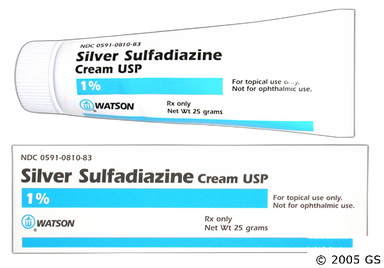
Silver sulfadiazine (SSD) is an antibiotic cream used to treat or prevent serious skin infections caused by second- or third-degree burns. Silver sulfadiazine (SSD) is typically applied once or twice a day, after the wound has been cleaned. This medication can cause some side effects, such as rash or skin redness. Rarely, it can lead to serious allergic reactions. Silver sulfadiazine (SSD) is available by prescription only.
The following side effects may get better over time as your body gets used to the medication. Let your healthcare provider know immediately if you continue to experience these symptoms or if they worsen over time.
Common Side Effects
Temporary low number of white blood cells
Less Common Side Effects
Burning sensation
Rash
Skin redness
Kidney problems
Change in skin color
Silver sulfadiazine (SSD) serious side effects
Contact your healthcare provider immediately if you experience any of the following.
Allergic reaction: rash, changes in skin color, itchiness, raised skin areas
Severe skin reactions: worsening skin pain, fever, blisters or sores, peeling skin
When do Silver sulfadiazine (SSD) possible side effects begin and end?
The following Silver sulfadiazine (SSD) side effects have also been reported
Along with its needed effects, a medicine may cause some unwanted effects. Although not all of these side effects may occur, if they do occur they may need medical attention.
Check with your doctor as soon as possible if any of the following side effects occur:
Some side effects may occur that usually do not need medical attention. These side effects may go away during treatment as your body adjusts to the medicine. Also, your health care professional may be able to tell you about ways to prevent or reduce some of these side effects. Check with your health care professional if any of the following side effects continue or are bothersome or if you have any questions about them:
Not recommended for pregnant females, especially those close to their due dates
Might not be the best choice if you have severe kidney or liver issues
Pharmacist tips for Silver sulfadiazine (SSD)
Only put silver sulfadiazine (SSD) on your skin. Don't put it in or around your eyes because it could cause really bad irritation.
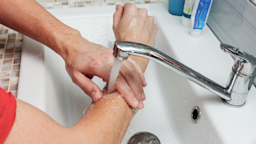
Wash your hands before and after applying silver sulfadiazine (SSD). It's best to wear sterile exam gloves before applying silver sulfadiazine (SSD) to prevent contaminating (spreading germs) to your burn wounds.
Burned areas should be covered with silver sulfadiazine (SSD) at all times. Reapply the cream if any rubs off in between uses. Dressings or bandages can be used if necessary to help keep the area covered with medication.
Silver sulfadiazine (SSD) is a sulfa medication. Be sure to tell your provider if you have an allergy to sulfa products. You might not be able to use this medication.
Let your healthcare provider know if you have severe kidney or liver issues. People with kidney or liver problems have a higher risk of side effects from silver sulfadiazine (SSD).
Risks and warnings for Silver sulfadiazine (SSD)
Silver sulfadiazine (SSD) can cause some serious health issues. This risk may be even higher for certain groups. If this worries you, talk to your doctor or pharmacist about other options.
Severe allergic and skin reactions
Risk factors: Allergy to sulfa medications
In some rare cases, severe allergic reactions to silver sulfadiazine (SSD) can happen, including life-threatening problems like Stevens-Johnson syndrome (SJS) or anaphylaxis (closing of the throat). Call 911 if this happens. If you notice painful blisters all over the body, hives, a rash, swelling of the lips or tongue, or difficulty breathing after using silver sulfadiazine (SSD), call your healthcare provider right away. Let your provider know if you have an allergy to sulfa medications before you start using silver sulfadiazine (SSD).
Changes in levels of blood cells
Although rare, using silver sulfadiazine (SSD) might lead to blood-related problems, such as low levels of blood cells. You might not feel any symptoms when this happens. But sometimes, it can lead to weakness, dizziness, tiredness, and bleeding that's difficult to stop. Let your provider know if you experience those symptoms.
Possible risk of fungal infections
Risk factors: Using silver sulfadiazine (SSD) for a long time
People using silver sulfadiazine (SSD) for a long time can sometimes develop a fungal infection where they're applying the cream. If you are going to be using this medication for a while, your provider will most likely keep a close eye on your wound(s) for signs of a fungal infection.
If you notice new or worse skin redness, itchiness, or burning while using silver sulfadiazine (SSD), talk to your provider right away.
Silver sulfadiazine (SSD) dosage
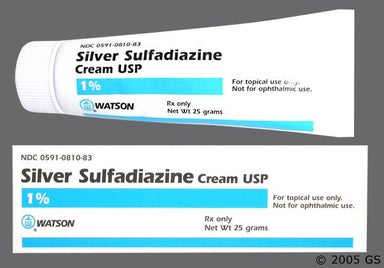
The average cost for 1 tube of 25g of 1% of Silver sulfadiazine (SSD) is $11.76 with a free GoodRx coupon. This is 1.92% off the average retail price of $11.99.
Interactions between Silver sulfadiazine (SSD) and other drugs
Silver sulfadiazine (SSD) may interact with certain medications or supplements. Always let your doctor and pharmacist know about any other medications or supplements (including prescribed and over-the-counter medications, vitamins, and dietary or herbal supplements) that you are currently taking. The list below does not include all possible drug interactions with Silver sulfadiazine (SSD). Please note that only the generic name of each medication is listed below.
Although certain medicines should not be used together at all, in other cases two different medicines may be used together even if an interaction might occur. In these cases, your doctor may want to change the dose, or other precautions may be necessary. When you are taking this medicine, it is especially important that your healthcare professional know if you are taking any of the medicines listed below. The following interactions have been selected on the basis of their potential significance and are not necessarily all-inclusive.
Using this medicine with any of the following medicines is not recommended. Your doctor may decide not to treat you with this medication or change some of the other medicines you take.
Methenamine
Using this medicine with any of the following medicines is usually not recommended, but may be required in some cases. If both medicines are prescribed together, your doctor may change the dose or how often you use one or both of the medicines.
Using this medicine with any of the following medicines may cause an increased risk of certain side effects, but using both drugs may be the best treatment for you. If both medicines are prescribed together, your doctor may change the dose or how often you use one or both of the medicines.
Contraindications are specific health conditions or situations in which a person should not take a medication due to safety concerns. If you have any of the following conditions or if any of the following apply to you, let your healthcare provider know because Silver sulfadiazine (SSD) will not be safe for you to take.
Pregnant females close to their due dates
Babies in their first 2 months of life
What are alternatives to Silver sulfadiazine (SSD)?
There are a number of medications that your doctor can prescribe in place of Silver sulfadiazine (SSD). Compare a few possible alternatives below.
Silver sulfadiazine (SSD)
Used for:
Prevention and treatment of infections caused by second- and third-degree burns
GoodRx Health has strict sourcing policies and relies on primary sources such as medical organizations, governmental agencies, academic institutions, and peer-reviewed scientific journals. Learn more about how we ensure our content is accurate, thorough, and unbiased by reading our editorial guidelines.
Prescription savings
Stop paying too much for your prescriptions. Compare prices, get pharmacy coupons, and save up to 80%.
Plans start at $9.99/mo. (when paid yearly). Terms apply.
Common questions about Ssd
Ssd can be used in situations where you have experienced a second- or third-degree burn, if instructed by your provider. You typically apply it once or twice a day, making sure to reapply it if any rubs off in between doses.
Ssd isn't meant to be used on skin rashes. Rarely, it can cause rash as a side effect. If you have a skin rash that needs treatment, ask your healthcare provider for guidance.
You should use Ssd for as long as your provider instructs you to do so. Typically, this means until the wound has healed enough or until the burn area is ready for grafting. If you stop this medication too soon, you're at higher risk for infections. On the other hand, using Ssd for longer than recommended might slow wound healing.
Ssd can help treat and prevent infections. How long it takes Ssd to treat infections can differ depending on several factors, such as how severe or big your burn is, or the type of bacteria that's causing the skin infection. As a general rule of thumb, keep a close eye on your burn and report any signs of worsening or infection (e.g., redness or swelling) to your provider immediately.
After the expiration date has passed, Ssd might not work as well. This means you'll be at a higher risk for developing infections. It's always best to contact your pharmacy for a refill if it's past the expiration dates on your medications.
Ssd is only approved for second- and third- degree burns, if prescribed by your provider. Mild sunburn is considered a first-degree burn, meaning only the top layer of the skin is burned. Typically, your provider will recommend that you treat a mild sunburn at home with aloe vera instead. More serious sunburns can be considered second- and third- degree burns. If your sunburn is blistering or has opened up, you need medical attention right away. If that's the case, ask your provider whether Ssd is a good option for you to prevent infection.
Yes. You can use Ssd on an open wound (caused by a burn) if your provider instructs you to do so. After you've cleaned the burn wound(s), apply Ssd directly to the wound to help prevent it from getting infected with bacteria.