


What’s the Best Laxative or Stool Softener to Take for Constipation?
Learn about the best laxatives and stool softeners for constipation, plus other tips for treating constipation.

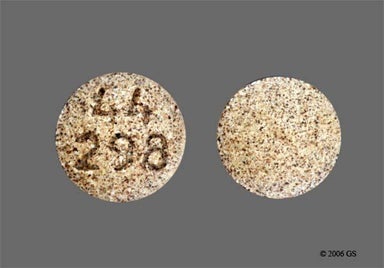
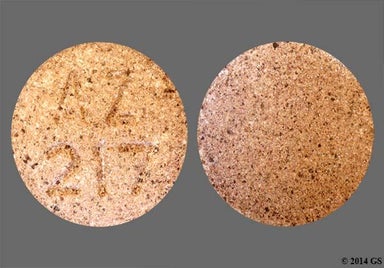
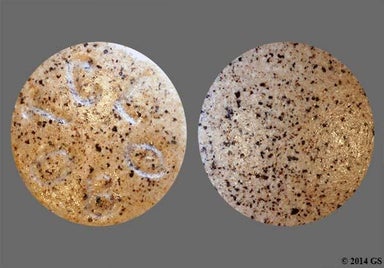
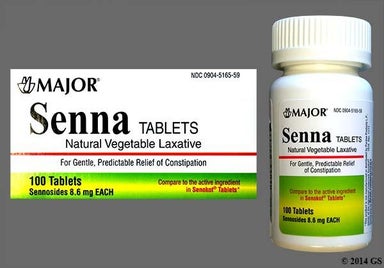
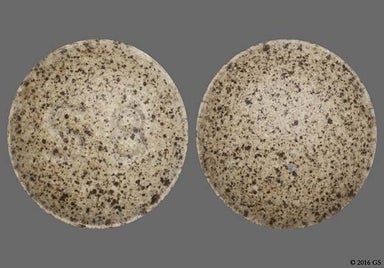
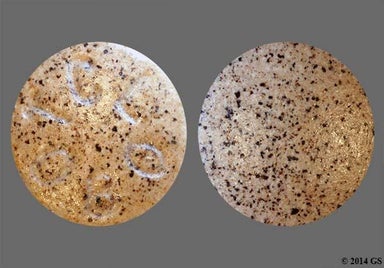
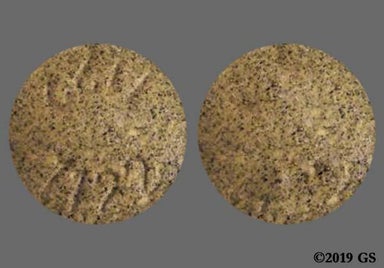
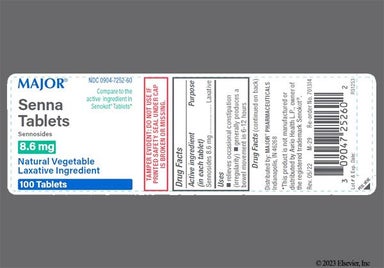
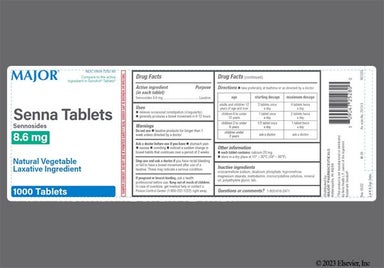
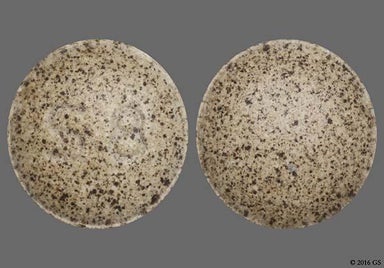
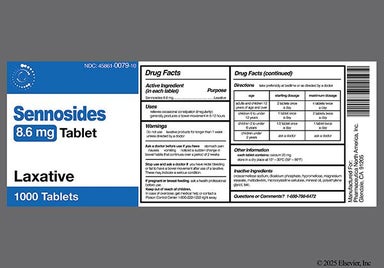
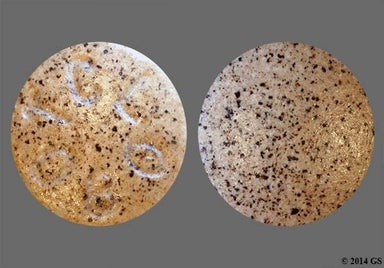
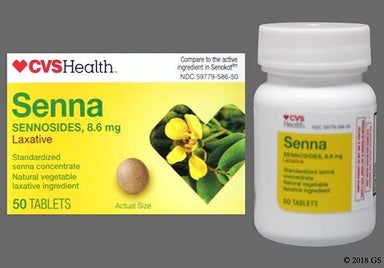
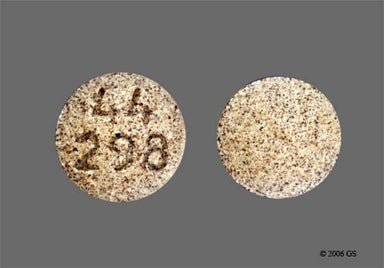
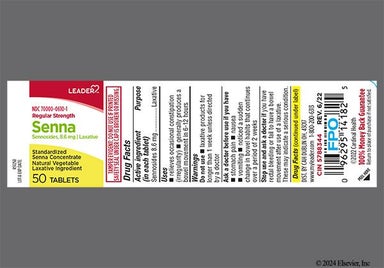
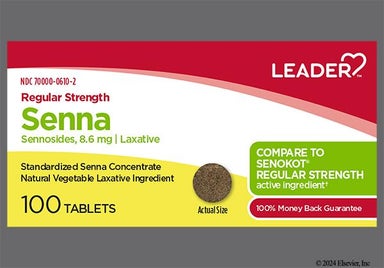
Senna, or also known as sennosides, is an over-the-counter (OTC) laxative medication that's used to help with occasional constipation. It can work faster than some other alternatives, like docusate (Colace), but it can also cause stomach cramps as a side effect. This medication comes as tablets and liquids that are taken by mouth once or twice a day, depending on your needs. Senna is sold under many different brand names and lower-cost generic versions.

Senna is a stimulant laxative. It stimulates the muscles in your intestines (gut). It helps your gut move so that your body can have a bowel movement.
| Common Brands | Senokot, Ex-Lax, Senna-Lax, Senna-Tabs |
|---|---|
| Drug Class | Laxative |
| Controlled Substance Classification | Not a controlled medication |
| Generic Status | Lower-cost generic available |
| Availability | Over-the-counter |

The following side effects may get better over time as your body gets used to the medication. Let your healthcare provider know immediately if you continue to experience these symptoms or if they worsen over time.
Contact your healthcare provider immediately if you experience any of the following.
Side effects that you should report to your care team as soon as possible:
Side effects that usually do not require medical attention (report to your care team if they continue or are bothersome):




Senna can cause some serious health issues. This risk may be even higher for certain groups. If this worries you, talk to your doctor or pharmacist about other options.
Only take senna as directed by your provider or according to the manufacturer's label. The risk of side effects from senna is low if you take it as directed. But some people who took senna at a higher dose or for a longer time than recommended have experienced low potassium levels and changes in their electrolyte levels. Low potassium levels can cause muscle weakness or twitching, more constipation, a numbing or tingling sensation, or more seriously irregular heartbeat. If you experience any of these symptoms after you take senna, contact your provider.

 Tablet
| Dosage | Quantity | Price as low as | Price per unit |
|---|---|---|---|
| 8.6mg | 60 tablets | $5.17 | $0.09 |
| 25mg | 30 tablets | $12.31 | $0.41 |
| 15mg | 30 tablets | $9.38 | $0.31 |












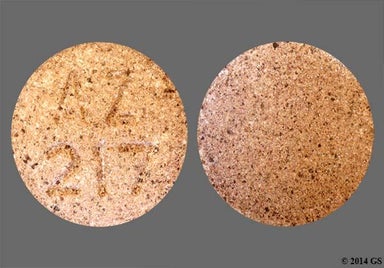
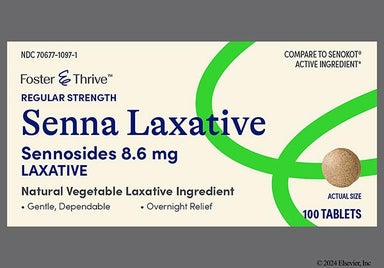
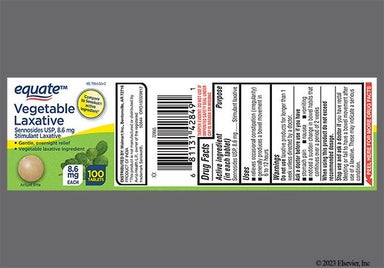

Prescription savings
Stop paying too much for your prescriptions. Compare prices, get pharmacy coupons, and save up to 80%. Find expert answers to your health questions so you can make the best decisions for yourself and your family.
Health conditions
Medications & treatment
Access & affordability
Medication discounts


Sennosides isn't typically a first-choice option for constipation during pregnancy. This is because there's not as much evidence for its safety in pregnancy. As a general rule of thumb, talk with your provider or pharmacist before using any over-the-counter laxatives while pregnant. They can help find a safer option for you.
Both bisacodyl and Sennosides are stimulant laxatives that can help produce a bowel movement. Typically, the discussion around how "strong" the two laxatives are is more about how quickly they work. Bisacodyl and Sennosides both have formulations that you can take by mouth (e.g., tablets), which work within 6 to 12 hours. But bisacodyl also comes as a rectal suppository that takes about 15 to 60 minutes to kick in. So if you're looking for something that works quickly, the bisacodyl rectal suppository might be a more appropriate stimulant laxative for you. Speak with your provider or pharmacist about which medication best fits your needs.
Sennosides is approved for occasional constipation. It's typically used on an as-needed basis for no longer than 1 week. Relying on laxatives (i.e., taking it every day) can be harmful and cause your gut to become "lazy" and unable to naturally have bowel movements easily. If you find yourself constantly needing Sennosides to have a bowel movement, talk with your provider. There might be something serious causing your constipation.
The makers of Sennosides say that most people will have a bowel movement within 6 to 12 hours after taking it. However, everyone's body is unique and can respond to the medication differently. If it's been a few days and you haven't had a bowel movement after you've used Sennosides, follow up with your provider.
A laxative is a medication that helps you have a bowel movement. There are many types of laxatives, including stool softeners and stimulant laxatives. Sennosides is a stimulant laxative. It works on the muscles of your gut to help push out stools. On the other hand, stool softeners, like docusate (Colace), help soften the stool, so it's easier to be pushed out. Sometimes, stimulant laxatives and stool softeners are used together to help with constipation. You can think of the combination as a "mush" (stool softener) and a "push" (stimulant laxative).
It's recommended to take Sennosides at bedtime because most people will have a bowel movement after 6 to 12 hours. This way, it makes it easier for you to have a bowel movement when you wake up in the morning the next day. It's not required to take Sennosides at night, especially if your body responds differently to the medication.
