



What’s the Best Laxative or Stool Softener to Take for Constipation?
Learn about the best laxatives and stool softeners for constipation, plus other tips for treating constipation.
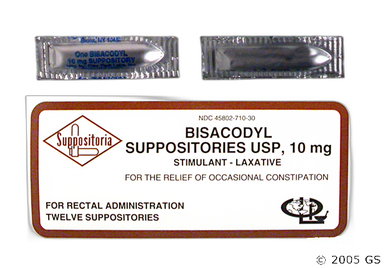
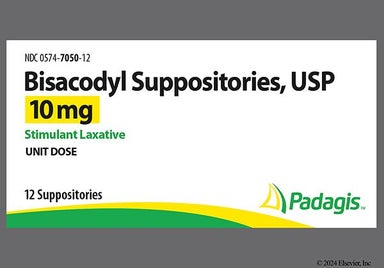
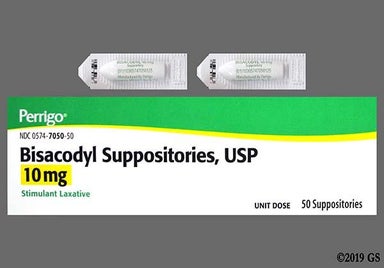
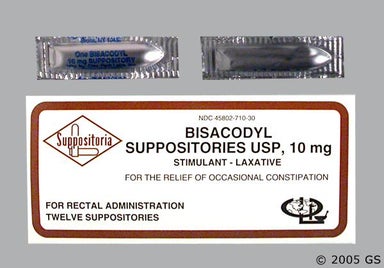
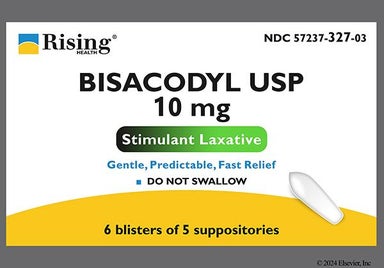
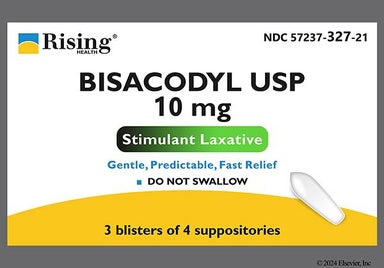
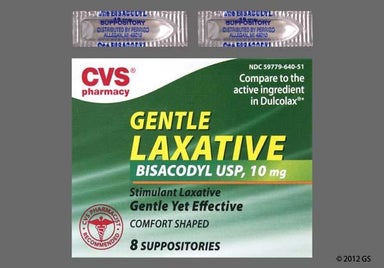
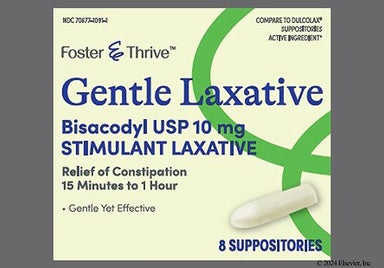
Bisacodyl suppositories are found over-the-counter (OTC) and treat occasional constipation in adults and children ages 6 and older. Typically, you insert this medication rectally once a day. As a laxative, it works by stimulating muscles in your gut, making it easier to empty your bowels. Side effects of this medication include stomach discomfort, cramping, and diarrhea.

Bisacodyl is a stimulant laxative. It works by stimulating the muscles in your gut, helping stool move more easily through your intestines to empty the bowels. It also prevents your body from absorbing too much water from the gut, which softens the stool and relieves constipation.
| Common Brands | Dulcolax |
|---|---|
| Drug Class | Stimulant laxative |
| Controlled Substance Classification | Not a controlled medication |
| Generic Status | Lower-cost generic available |
| Availability | Over-the-counter |

The following side effects may get better over time as your body gets used to the medication. Let your healthcare provider know immediately if you continue to experience these symptoms or if they worsen over time.
Along with its needed effects, a medicine may cause some unwanted effects. Although not all of these side effects may occur, if they do occur they may need medical attention.
Check with your doctor as soon as possible if any of the following side effects occur:
Some side effects may occur that usually do not need medical attention. These side effects may go away during treatment as your body adjusts to the medicine. Also, your health care professional may be able to tell you about ways to prevent or reduce some of these side effects. Check with your health care professional if any of the following side effects continue or are bothersome or if you have any questions about them:
Less common
Skin irritation surrounding rectal area
Other side effects not listed may also occur in some patients. If you notice any other effects, check with your healthcare professional.
Call your doctor for medical advice about side effects. You may report side effects to the FDA at 1-800-FDA-1088.




Bisacodyl can cause some serious health issues. This risk may be even higher for certain groups. If this worries you, talk to your doctor or pharmacist about other options.
Bisacodyl should only be used rectally. Don't take this medication by mouth, and never use it in your eyes, nose, or ears. If you think that your child might’ve accidentally swallowed this medication, call your Poison Control Center at 1-800-222-1222 right away.
See a healthcare professional right away if you have rectal bleeding, stomach pain, nausea, or vomiting along with constipation. Also, let your healthcare team know if you had to use laxatives for more than a week or if you still aren't able to have a bowel movement after using bisacodyl. These are signs that you need further medical attention.

 Suppository
| Dosage | Quantity | Price as low as | Price per unit |
|---|---|---|---|
| 10mg | 12 suppositories | $12.02 | $1.00 |

Although certain medicines should not be used together at all, in other cases two different medicines may be used together even if an interaction might occur. In these cases, your doctor may want to change the dose, or other precautions may be necessary. When you are taking any of these medicines, it is especially important that your healthcare professional know if you are taking any of the medicines listed below. The following interactions have been selected on the basis of their potential significance and are not necessarily all-inclusive.
Using medicines in this class with any of the following medicines is usually not recommended, but may be required in some cases. If both medicines are prescribed together, your doctor may change the dose or how often you use one or both of the medicines.





Prescription savings
Stop paying too much for your prescriptions. Compare prices, get pharmacy coupons, and save up to 80%. Find expert answers to your health questions so you can make the best decisions for yourself and your family.
Health conditions
Medications & treatment
Access & affordability
Medication discounts


Each suppository contains 10 mg of Biscolax. For children ages 6 to 11, the typical dose is half a suppository (5 mg) inserted rectally once a day. For adults and children 12 years and older, the usual dose is one suppository (10 mg) inserted rectally once a day. Don’t use more than this unless advised by a healthcare professional. Taking too much can raise your risk of side effects, like stomach cramps and rectal bleeding. If you don't feel relief after a dose, let your healthcare team know.
After a dose of Biscolax, it'll typically take 15 minutes to 1 hour before you'll have a bowel movement. You might feel a strong urge to go to the bathroom soon after inserting, so make sure to stay near a toilet.
Some common side effects of Biscolax include stomach discomfort, cramping, and diarrhea. Avoid using this medication more than directed by your healthcare team. Consider drinking plenty of water and eating small meals to help relieve stomach discomfort.
Biscolax is the generic version of Dulcolax. Talk to your primary care provider or pharmacist if you have any questions about comparing the brand-name and generic versions.
Yes, Biscolax and docusate (Colace) work differently to relieve constipation. Docusate (Colace) is a stool softener that draws water and fat into the stool, making it softer and easier to pass. Biscolax, on the other hand, works by stimulating the muscles in your gut, helping the stool move through the intestines more easily to empty the bowels.
There's mixed evidence about whether stimulant laxatives like Biscolax are safe to use during pregnancy. The rectal suppository is preferred over oral tablets to avoid colic. But in general, Biscolax isn't the best option for treating constipation during pregnancy. According to the American College of Obstetricians and Gynecologists, the best way to ease occasional constipation is to eat more fiber. But if that doesn't help, bulk-forming laxatives like psyllium (Metamucil) are typically the first-choice option. Talk with your OB-GYN if you experience constipation during pregnancy.
