Key takeaways:
Retin-A (tretinoin) is a topical retinoid used to treat acne, wrinkles, and sun-damaged skin.
Some people notice improvements in acne as early as 2 weeks, but it often takes 6 to 12 weeks to see the full benefits. Improvements in wrinkles and sun-damage typically take 3 to 6 months.
Common Retin-A side effects include redness, dryness, and peeling. Using a gentle moisturizer can help minimize irritation while your skin adjusts to treatment.
Save on related medications
People are always searching for ways to keep their skin looking and feeling healthy. For some, this means keeping their skin blemish free or embracing natural aging. For others, it means minimizing wrinkles or improving skin texture and tone.
One option to address several of these concerns is Retin-A (tretinoin), a prescription cream derived from vitamin A. Tretinoin is commonly used to treat acne. But it can also improve signs of sun damage and reduce the appearance of fine lines and wrinkles.
Here, we’ll answer 10 of the most common questions about this topical medication, including how long tretinoin takes to work and whether it may be a good fit for your skin care routine.
1. What is Retin-A?
Retin-A is a brand-name version of tretinoin. It belongs to a class of medications called retinoids.
Retin-A works by increasing skin cell turnover. This helps unclog pores, prevents pimples from forming, and improves the appearance of sun-damaged skin. It can also boost collagen production, helping reduce the appearance of fine lines and wrinkles.
2. How long does it take for Retin-A to work?
If you’ve been prescribed Retin-A, you’re probably hoping that your acne or wrinkles will improve right away. But Retin-A takes time to work, and the timeline depends on what you’re treating.
Retin-A for acne
Most people start noticing improvements in their acne within the first few weeks of treatment, but the full benefits take longer to develop. Here’s what to expect:
Weeks 2 to 6: Acne may start to improve in some people. Others may experience a temporary increase in outbreaks (called a “tretinoin purge”) as clogged pores are brought to the surface.
Weeks 8 to 12: Existing acne starts to improve, and new breakouts start to occur less often.
Months 3 to 6: Most people see the full benefits of tretinoin after about 3 months of consistent use.
Retin-A for wrinkles and sun damage
Retin-A’s benefits take a little longer to notice for wrinkles, skin discoloration, and other effects caused by sun damage. Here’s what to expect:
Months 3 to 6: Many people start noticing smoother skin, more even pigmentation, and softer fine lines.
After 6 months: Improvements often continue with ongoing use as collagen production increases and skin cell turnover remains elevated.
Some studies have shown tretinoin to be safe and effective for long-term use, including periods up to 2 years. If you’re using tretinoin for wrinkles or sun damage, your dermatologist can help determine how long you should continue treatment.
3. What are the benefits of Retin-A?
Retin-A works by increasing skin cell turnover. New skin cells push older, dead skin cells to the surface, helping to unclog pores and improve skin renewal. This has several benefits for the skin, including:
Clearing existing acne and helping to prevent new breakouts
Improving skin texture and tone
Fading dark spots and discoloration
Reducing the appearance of fine lines and wrinkles
Does Retin-A tighten skin?
Yes, Retin-A may help “tighten” skin and make it firmer. Clinical studies show that it can improve the visible appearance of wrinkles and skin discoloration caused by sun damage. This benefit is seen with Retin-A strengths ranging from 0.025% to 0.1%.
One reason for this is that tretinoin increases collagen production. Collagen is a protein that helps keep skin thick, elastic, and flexible. Sun damage and getting older decrease the amount of collagen in your skin. By boosting collagen production, tretinoin can help improve skin texture over time.
4. How often should you use Retin-A?
Most people apply Retin-A once daily before bedtime. Retin-A can cause dryness and irritation. So your dermatologist may recommend starting every other night and gradually increasing to nightly as your skin adjusts. Using Retin-A more often won’t make it work faster. In fact, applying it too often can increase redness, peeling, and irritation.
5. How do you use Retin-A cream?
Using Retin-A correctly can help maximize its benefits while minimizing irritation. Here’s how to use it correctly:
Wash your face with a gentle cleanser and allow it to dry completely before applying tretinoin.
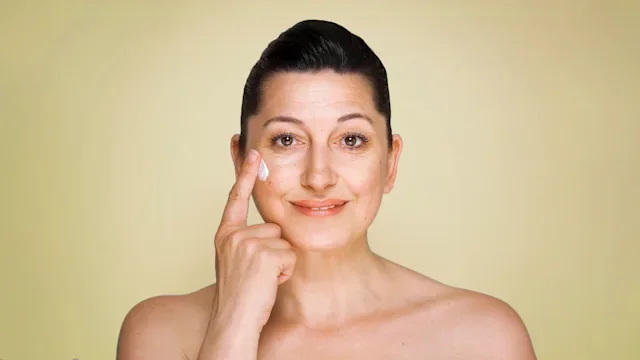
Apply a pea-sized amount to your entire face. Applying too much will irritate your skin.
Use a gentle moisturizer before and/or after tretinoin to minimize skin irritation.
And remember: More isn’t always better. If you’re not seeing the results you want, talk to your dermatologist about whether a higher strength may be appropriate.
6. What are the risks and side effects of Retin-A?
Retin-A is safe when used as directed. Most side effects are mild and go away as your skin adjusts to the medication. Some common side effects include:
Redness
Dryness
Peeling or flaking
Crusting
Increased sun sensitivity
Certain skin care products can make these side effects worse, including products containing alcohol, astringents (such as witch hazel), and salicylic acid. People with eczema may also experience more irritation because their skin is already prone to dryness and inflammation.
Tips to minimize Retin-A side effects
There are a few things you can do to minimize the risk of having side effects. Most are related to keeping your skin hydrated and protected from the elements. These include:
Wearing sunscreen every day (SPF 30 or higher)
Wearing protective clothing in the sun, wind, and cold
Avoiding tanning beds
Using a non-comedogenic moisturizer every morning and evening
Good to know: It’s normal to feel some skin warmth or slight stinging when you apply Retin-A. If your side effects are happening during the skin’s flare-up period (the first 2 to 6 weeks), they usually improve with continued use. But you should talk to your dermatologist if any of the above side effects are bothersome, severe, or last longer than 6 weeks. You may need to stop treatment for a while and restart at a lower dose.
Can Retin-A cause hair loss?
No, Retin-A doesn’t cause hair loss. Hair loss or hair thinning is a possible side effect of oral retinoids like isotretinoin. But it isn’t a known side effect of the topicals (like Retin-A). In fact, topical tretinoin has been studied in combination with topical minoxidil to help increase hair growth.
7. Is tretinoin the same as Retin-A?
Yes, tretinoin is the generic name for Retin-A. Retin-A is FDA approved to treat acne, but it’s often used off-label to treat wrinkles and fine lines caused by sun damage.
Retin-A comes as a cream and gel in strengths ranging from 0.01% to 0.1%. Retin-A Micro is another brand-name version of tretinoin that comes as a gel in strengths ranging from 0.04% to 0.1%. Retin-A Micro releases tretinoin more slowly into the skin, which helps reduce irritation and other side effects.
Your dermatologist can help determine which tretinoin product is best for your skin type, plus treatment goals and insurance coverage.
8. Is Retin-A a steroid?
No, Retin-A (or tretinoin) isn’t a steroid. Retin-A is a retinoid, which is a class of medications derived from vitamin A. It works by increasing skin cell turnover and stimulating collagen production.
Steroids work differently. They reduce inflammation and are commonly used to treat conditions like eczema, psoriasis, and allergic skin reactions.
9. Can you use azelaic acid with Retin-A?
Yes, azelaic acid and Retin-A can be used together. Both medications are commonly used to treat acne and post-inflammatory hyperpigmentation (dark spots left behind after acne heals).
Because both products can cause irritation, your dermatologist may recommend introducing them slowly or using them at different times of day. For example, some people may use azelaic acid in the morning and Retin-A at night.
10. Can you use Retin-A during pregnancy?
No, you shouldn’t use Retin-A while you’re pregnant. Isotretinoin (Absorica, Claravis) — an oral medication in the same family as Retin-A — is known to cause birth defects. Much less topical tretinoin is absorbed through the skin. However, experts still recommend avoiding Retin-A during pregnancy out of caution.
If you’re pregnant or planning a pregnancy, talk to your dermatologist about safer alternatives.
How to save on your Retin-A prescription
There are ways to save on Retin-A, which is available as both a brand-name and generic medication:
Save with GoodRx. GoodRx may help you save up to 85% off the average retail price of tretinoin. Generic Retin-A cream may be as low as $35.00 with a free GoodRx discount. The brand-name version may be as low as $47.68.
Compare pharmacy prices. When using GoodRx, prices may vary among pharmacies. Check the price at multiple locations to help you find the most affordable option.
The bottom line
Retin-A (tretinoin) is a topical medication used to treat acne, wrinkles, and sun-damaged skin. How long it takes tretinoin to work depends on what you’re treating. Some people start noticing improvements in acne within 2 to 6 weeks. But it often takes 6 to 12 weeks to see the full benefits. Improvements in fine lines, wrinkles, and other signs of sun damage usually take 3 to 6 months. Common side effects include redness, dryness, and peeling. Using a gentle moisturizer regularly can help minimize irritation while your skin adjusts to treatment.

Why trust our experts?




References
American College of Obstetricians and Gynecologists. (2025). Skin conditions during pregnancy.
Balado-Simó, P., et al. (2025). An updated review of topical tretinoin in dermatology: From acne and photoaging to skin cancer. Journal of Clinical Medicine.
DailyMed. (2025). Tretinoin cream.
DailyMed. (2026). Renova - tretinoin cream.
Green, L. J., et al. (2022). Enhancing topical pharmacotherapy for acne and rosacea: Vehicle choices and outcomes. Journal of Clinical and Aesthetic Dermatology.
Motamedi, M., et al. (2021). A clinician’s guide to topical retinoids. Journal of Cutaneous Medicine and Surgery.
Sitohang, I. B. S., et al. (2022). Topical tretinoin for treating photoaging: A systematic review of randomized controlled trials. International Journal of Women’s Dermatology.
Yoham, A. L., et al. (2023). Tretinoin. StatPearls.