

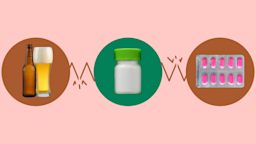
8 Zyrtec (Cetirizine) Interactions You Should Know About
Zyrtec (cetirizine) is an over-the-counter medication used to treat allergy symptoms. Find out which medications and substances may cause Zyrtec interactions.
Quzyttir (cetirizine) is an allergy medication that can treat hives (an itchy skin rash that forms in response to a substance that causes an allergic reaction). It's given as an injection through the vein by a healthcare provider, usually in the hospital or urgent care. It might cause less sleepiness compared to diphenhydramine (Benadryl).

| Common Brands | Quzyttir |
|---|---|
| Drug Class | Antihistamine |
| Controlled Substance Classification | Not a controlled medication |
| Generic Status | No lower-cost generic available |
| Availability | Prescription only |



Prescription savings
Stop paying too much for your prescriptions. Compare prices, get pharmacy coupons, and save up to 80%. Find expert answers to your health questions so you can make the best decisions for yourself and your family.
Health conditions
Medications & treatment
Access & affordability
Medication discounts

Quzyttir is an antihistamine that works by blocking a chemical in your body called histamine. Histamine normally gets released in your body to defend against substances called allergens. This triggers an allergic reaction that can include hives. By blocking histamine, Quzyttir can help relieve hives.
The typical dose of Quzyttir will depend on your age and sometimes the severity of your hives. It's always given through an intravenous (IV) injection once every 24 hours on an as-needed basis. The injection through your vein will take about 1 to 2 minutes, and it's typically given by a trained healthcare provider.
Quzyttir doesn't have many common side effects. In clinical studies, fewer than 1% of people who received the medication experienced side effects. These side effects included stomach upset, feeling hot, change in taste, headache, numbness or tingling, feeling faint, and excessive sweating. As with most antihistamines, it's possible to feel sleepy after receiving Quzyttir. Be careful doing any activities that require your attention after receiving treatment.
There isn't enough information to know if Quzyttir is safe during pregnancy, because it hasn't been studied in pregnant women. In pregnant animals, cetirizine hasn't been shown to cause harm to unborn babies when taken by mouth in high doses. If you’re pregnant or planning on becoming pregnant, let your provider know so they can weigh the risks and benefits of Quzyttir for your unborn baby.
