











What Are the Best Over-the-Counter Sleep Aids?
What’s the best OTC sleep aid? Experts review which options help insomnia and explain each one’s effectiveness, side effects, and potential interactions.
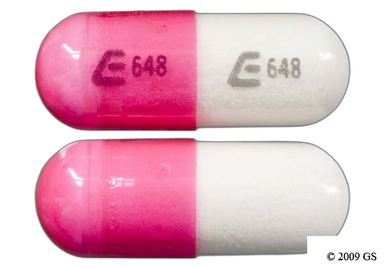
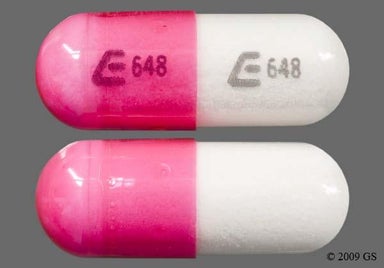
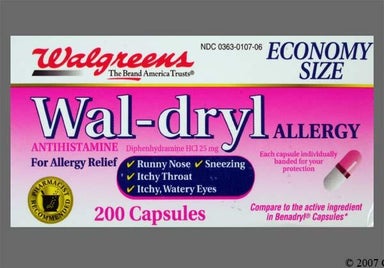
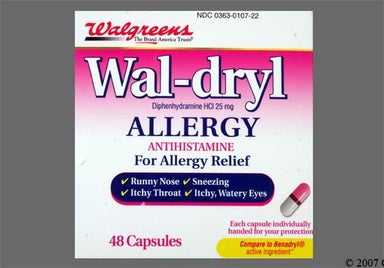
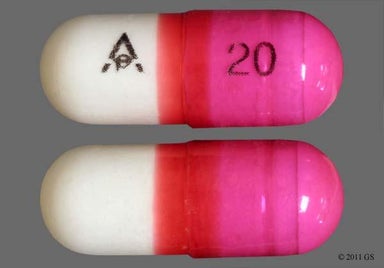
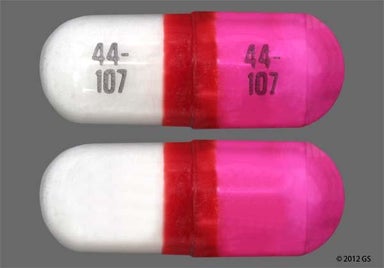
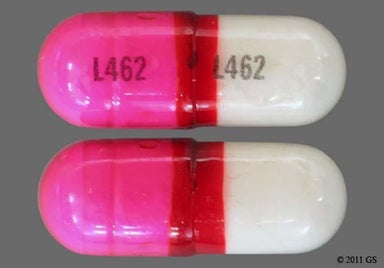
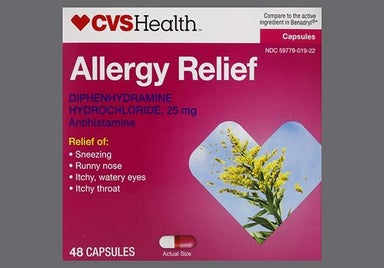
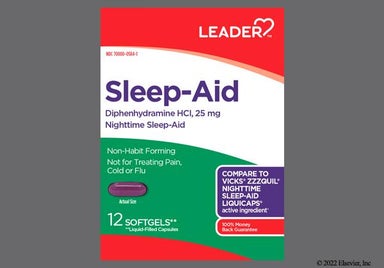
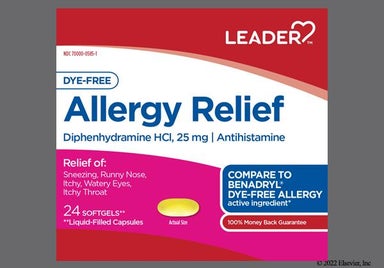
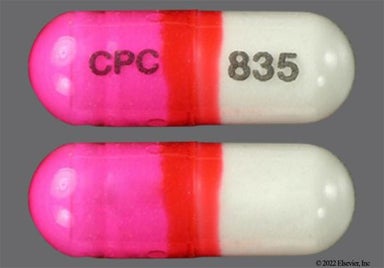
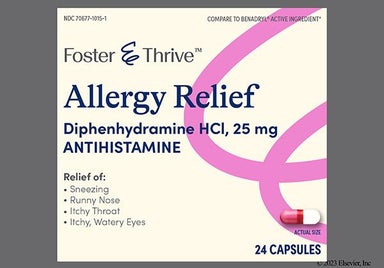
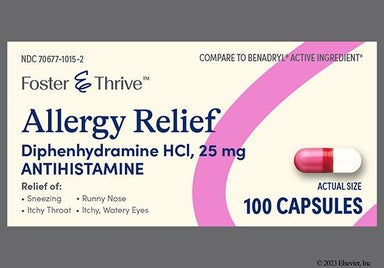
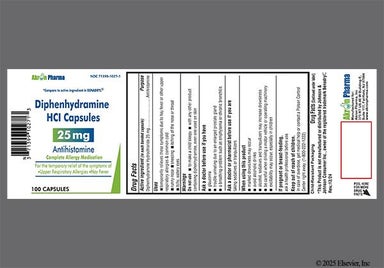
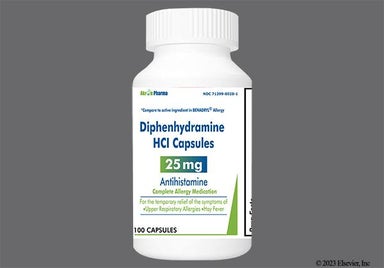
Diphenhydramine, also known by the brand name Benadryl, is an over-the-counter antihistamine used to relieve allergy or common cold symptoms in adults and children. It comes as pills and a liquid and is typically taken by mouth every 4 to 6 hours as needed. Because it can make you drowsy, some people also use it as a sleep aid at bedtime. Common side effects include sleepiness, dizziness, and dry mouth.

Diphenhydramine is an antihistamine. It works by blocking histamine, a chemical in your body that causes allergy and common cold symptoms like itching, sneezing, and runny nose.
Because diphenhydramine can enter the brain, it can also make you feel sleepy. That’s why it often causes drowsiness and is sometimes used as a short-term sleep aid.
| Common Brands | Benadryl, Unisom |
|---|---|
| Drug Class | Antihistamine |
| Controlled Substance Classification | Not a controlled medication |
| Generic Status | Lower-cost generic available |
| Availability | Over-the-counter |

The following side effects may get better over time as your body gets used to the medication. Let your healthcare provider know immediately if you continue to experience these symptoms or if they worsen over time.
Contact your healthcare provider immediately if you experience any of the following.
Side effects that you should report to your care team as soon as possible:
Side effects that usually do not require medical attention (report these to your care team if they continue or are bothersome):



More tips if used for trouble sleeping:

Diphenhydramine can cause some serious health issues. This risk may be even higher for certain groups. If this worries you, talk to your doctor or pharmacist about other options.
Diphenhydramine can make you very sleepy, which can affect your focus, thinking, and reaction time. It can also raise your risk of falls and accidents. This is more likely if you’re an older adult, drink alcohol, or take other medications that cause drowsiness (e.g., opioids, benzodiazepines, sleep medications). Don’t drive or use machinery until you know how this medication affects you.
Many over-the-counter (OTC) products contain diphenhydramine. It's not safe to use more than one product with this medication at the same time. Taking too much can cause dry eyes or mouth, a fast heartbeat, trouble urinating, fever, or constipation. And high doses can lead to serious problems like confusion, seizures, hallucinations, low blood pressure, or heart rhythm issues.
The FDA released a warning to avoid high doses of diphenhydramine. To avoid taking too much, read labels carefully and follow the dosing instructions. If you’re not sure whether a product contains diphenhydramine, ask your pharmacist or primary care provider.
Talk to your primary care provider before taking diphenhydramine if you have glaucoma, an enlarged prostate, breathing problems (like emphysema or bronchitis), or kidney problems. This medication can make these conditions worse and might lead to serious side effects.effects.

There are different versions of diphenhydramine made by several manufacturers, and they can come in different strengths and forms. Because of this, the dose and age limits can vary by product. Always check the package label for exact directions.
Allergies and common cold symptoms:
Trouble sleeping:














Prescription savings
Stop paying too much for your prescriptions. Compare prices, get pharmacy coupons, and save up to 80%.Resources
About GoodRx
 Find expert answers to your health questions so you can make the best decisions for yourself and your family.
Health conditions
Medications & treatment
Access & affordability
Well-being
Medication discounts

Benadryl usually starts to work in about 15 to 30 minutes after you take it. Many people notice allergy relief or feel drowsy not long after taking a dose.
Benadryl typically lasts about 4 to 6 hours.
Yes, Benadryl commonly causes sleepiness. Some people might also feel a "hangover" effect and still feel drowsy the next day, especially if they take it at night. Avoid driving or doing activities that need focus until you know how it affects you.
The typical dose of Benadryl depends on your age and the symptoms you're treating. For allergies or cold relief, adults and children 12 years and older can take 25 mg to 50 mg every 4 to 6 hours, while children ages 6 to 11 can take 12.5 mg to 25 mg on the same schedule. If you're taking it as a sleep aid, adults and children 12 years and older can take 50 mg at bedtime as needed.
No, don't take Benadryl and Zyrtec together, your primary care provider tells you to. They’re both antihistamines, and taking them at the same time can raise your risk of side effects like drowsiness, dry mouth, and dizziness. If you want to switch from Benadryl to Zyrtec, start Zyrtec when your next dose of Benadryl is due.
Benadryl is generally considered safe to take during pregnancy when needed. Still, it’s best to talk with your OB-GYN before taking any medication, especially if you use Benadryl regularly.
Small, occasional doses of Benadryl are not expected to cause side effects in a breastfed baby. But taking higher doses or taking it for a long time might make your baby sleepy. Benadryl also isn't likely to affect your milk supply. Talk to your OB-GYN if you have questions about taking this medication while breastfeeding.
Benadryl doesn't usually raise blood pressure on its own. But some over-the-counter products combine it with decongestants, which can raise blood pressure. If you have high blood pressure, ask your healthcare professional which allergy or cold medication is safest for you.
