


2018 in Review: The Good(Rx) and the Bad in Prescription Drug Prices
2018 has been the year of drug prices. From the new ban on pharmacist gag clauses, to new proposed rules surrounding drug commercials, drug prices have
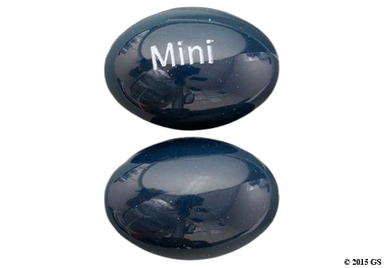
Prenate is a prescription prenatal vitamin meant to provide nutritional support during pregnancy. It's available in different formulations, each with a unique combination of ingredients meant for different stages of pregnancy. Some formulations are even tailored for people who are trying to get pregnant (Prenate Pixie) or for those who are breastfeeding (Prenate Restore). If you have trouble swallowing, Prenate also comes as chewable tablets. Like with many prenatal vitamins, some side effects can include nausea, constipation, and bloating.

Prenate is a dietary supplement. It contains multiple vitamins and supplements that help support nutritional needs of mother and baby before, during, and after pregnancy.
| Common Brands | Prenate Mini, Prenate Pixie, Prenate Enhance, Prenate Restore, Prenate Chewable |
|---|---|
| Drug Class | Dietary supplement |
| Controlled Substance Classification | Not a controlled medication |
| Generic Status | No lower-cost generic available |
| Availability | Prescription only |

The following side effects may get better over time as your body gets used to the medication. Let your healthcare provider know immediately if you continue to experience these symptoms or if they worsen over time.
See Risks and Warnings
Contact your healthcare provider immediately if you experience any of the following.
Side effects that you should report to your care team as soon as possible:




Prenate can cause some serious health issues. This risk may be even higher for certain groups. If this worries you, talk to your doctor or pharmacist about other options.
 Some Prenate products contain DHA, which is an omega-3 fatty acid. Taking more than 3 grams of omega-3 fatty acids a day can potentially increase your risk for bleeding. Your risk of bleeding is low if you're only taking Prenate as prescribed because the products typically only contain up to 400 mg of DHA. To be safe, let your provider know if you're taking blood thinners (e.g., warfarin (Coumadin)) or if you have a history of bleeding problems. Always check with your provider before taking other supplements to make sure you aren't taking too much omega-3 fatty acids a day.Some Prenate products contain iron, which is also in many over-the-counter products. Taking too much iron can lead to serious side effects, including nausea, vomiting, diarrhea, and tears in your gut. Tell your provider or pharmacist all the medications and supplements you're taking so they can make sure you aren't taking too much iron.
 Also, keep this medication out of reach of children. Accidental overdose of iron-containing products is a leading cause of death from poisoning in children. If you think a child accidentally took a Prenate product that contains iron, get medical help or call a Poison Control Center at 1-800-222-1222 right away.
Prenate contains folic acid, which can sometimes hide a condition called pernicious anemia (a type of anemia due to low vitamin B12 levels). Avoid using this medication alone if you have low vitamin B12 levels. If you have a history of low vitamin B12 levels, let your healthcare provider know.
In some rare cases, Prenate can cause a severe allergic reaction. Some Prenate products contain a dye called Yellow No. 5 (tartrazine). Let your provider know if you've had an allergic reaction to Yellow No. 5 in the past. If you experience a rash, trouble breathing, or swelling of your face, lips, tongue, or throat, get medical help right away.

 Capsule
| Dosage | Quantity | Price as low as | Price per unit |
|---|---|---|---|
| 60mg/1000iu/10iu | 30 capsules | $203.73 | $6.79 |


Prescription savings
Stop paying too much for your prescriptions. Compare prices, get pharmacy coupons, and save up to 80%.Resources
About GoodRx
 Find expert answers to your health questions so you can make the best decisions for yourself and your family.
Health conditions
Medications & treatment
Access & affordability
Well-being
Medication discounts

There are many different Prenate Mini products, and each has its own combination of ingredients. While all Prenate Mini products can be taken during pregnancy, some are meant to meet the nutritional needs for a particular stage of pregnancy or to address a particular concern. For example, Prenate Pixie is meant to be taken while you're trying to conceive. Prenate Mini is smaller than the other prenatal vitamins, which makes it easier to take for people who have a hard time swallowing pills. Prenate Chewable is a chocolate-flavored chew that doesn't have a vitamin aftertaste, and it might be a good choice for people who get nauseous from the strong aftertaste other vitamins can have. Your provider can help you choose the best prenatal vitamin that fits your individual needs.
No. While many prenatal vitamins are available over the counter, Prenate Mini is only available with a prescription from your provider.
Your provider will most likely recommend that you to take a prenatal vitamin daily to make sure you're getting all the needed nutrition for a healthy pregnancy. During pregnancy, your body needs specific vitamins and minerals to support you and your growing baby. For example, it's important that you take in enough folic acid because it's important in helping your baby's brain and spinal cord develop. Another example is that you'll need more iron to help your body make blood for the baby. It can be hard to get all of the recommended nutrition through food alone. Ask your provider if you need to pick a prenatal vitamin with any specific ingredient.
Ingredients in different prenatal vitamins can differ, so it's best to read the label of your particular product. For example, all of the Prenate Mini products contain folic acid (an important vitamin for your baby's brain and spinal cord development during early pregnancy), but not all of them contain iron. For the Prenate Mini products that do contain iron, they sometimes differ in the amount of iron in each pill. Discuss with your provider whether you need to look for a prenatal vitamin with any particular ingredient, and what other vitamins and supplements are important for you to take.
Your provider can guide you on the best time to start a prenatal vitamin like Prenate Mini. The CDC recommends that females who are trying to become pregnant take 400 mcg of folic acid daily for at least 1 month before they get pregnant. Most prenatal vitamins (including Prenate Mini) contain at least this much folic acid. Having enough folic acid in your body before you get pregnant might help prevent some birth defects.
Yes. All Prenate Mini supplements can be taken during pregnancy, but there are certain supplements that are specifically designed for before you're pregnant and after you've had your baby. Prenate Pixie is a small capsule that's meant to be taken before or during pregnancy. It contains fewer ingredients and a lower amount of some of the ingredients found in other Prenate supplements. And Prenate Restore is designed to support the nutritional needs of those who've had their babies, as well as those who are breastfeeding.
