



Dry Mouth Remedies: What Helps and What to Avoid
You can treat symptoms of dry mouth with OTC and prescription medications. Here are the best dry mouth remedies, and signs you should seek care.
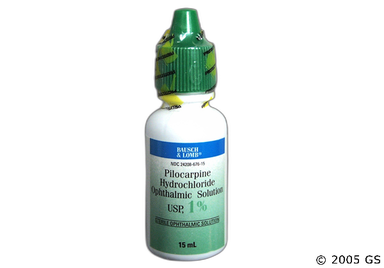
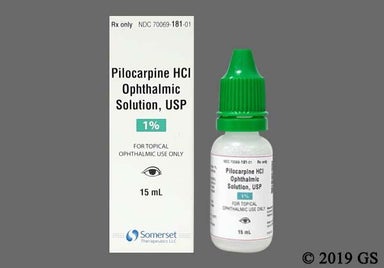
Generic pilocarpine eye drops, formerly known by the brand name Isopto Carpine, are used to treat and prevent high eye pressure. They're also used to shrink the pupil (the black part of your eye), typically before certain eye procedures. This medication belongs to the drug class called cholinergic agonists. The usual dosage is 1 drop in the eye(s) up to 4 times a day. Side effects can include headache, temporary blurry vision, and eye irritation.

Pilocarpine eye drops is a cholinergic agonist. It drains fluid out of the eye, which lessens the amount of fluid in the eye. When there's less fluid inside the eye, the eye pressure goes down. This medication also makes the pupils smaller, which helps lower eye pressure in certain types of glaucoma.
| Common Brands | Isopto Carpine |
|---|---|
| Drug Class | Cholinergic agonist |
| Controlled Substance Classification | Not a controlled medication |
| Generic Status | Lower-cost generic available |
| Availability | Prescription only |

The following side effects may get better over time as your body gets used to the medication. Let your healthcare provider know immediately if you continue to experience these symptoms or if they worsen over time.
Side effects occurring in 5% or more of people:
Note: Side effects listed were reported by people who used the 2% strength of pilocarpine eye drops with Betoptic-S (betaxolol) 0.25% eye drops.
Along with its needed effects, a medicine may cause some unwanted effects. Although not all of these side effects may occur, if they do occur they may need medical attention.
Check with your doctor as soon as possible if any of the following side effects occur:
Symptoms of too much medicine being absorbed into the body
Increased sweating
muscle tremors
troubled breathing or wheezing
watering of mouth
Less common or rare
Some side effects may occur that usually do not need medical attention. These side effects may go away during treatment as your body adjusts to the medicine. Also, your health care professional may be able to tell you about ways to prevent or reduce some of these side effects. Check with your health care professional if any of the following side effects continue or are bothersome or if you have any questions about them:
More common
Blurred vision or change in near or far vision
decrease in night vision
Other side effects not listed may also occur in some patients. If you notice any other effects, check with your healthcare professional.
Call your doctor for medical advice about side effects. You may report side effects to the FDA at 1-800-FDA-1088.



How to use pilocarpine eye drops:

Pilocarpine eye drops can cause some serious health issues. This risk may be even higher for certain groups. If this worries you, talk to your doctor or pharmacist about other options.
Using pilocarpine eye drops can make it harder to see clearly, especially when it's dark. Be careful driving, using machinery, or performing tasks at night or in low light conditions. Tell your prescriber if this side effect is too bothersome and if it affects your daily lifestyle.
Although rare, pilocarpine eye drops can cause retinal detachment, a serious injury in the eye that could potentially lead to blindness. Let your prescriber know about any of your past or current eye conditions. Depending on your medical history, you might need to visit an eye specialist for a retinal exam before you start pilocarpine eye drops. Call your prescriber right away if you start seeing "floaters," flashes of light, or shadows in your vision. Also contact your prescriber if your vision dims or if you have any other changes in your vision.
Pilocarpine eye drops aren't recommended for use if you have iritis, which is inflammation of the colored part of your eye (the iris).
Pilocarpine eye drops aren't recommended for children with certain types of glaucoma, since the medication can sometimes raise eye pressure rather than lower it. Let your child's prescriber know about any past or current eye conditions that your child has.
The preservative in pilocarpine eye drops, benzalkonium chloride, can get absorbed by soft contact lenses and damage the lenses. Remove soft contact lenses from your eye(s) before you put the pilocarpine eye drops into your eye(s). Wait at least 10 minutes after you put the eye drop(s) in before putting your contacts back onto your eye(s).


Although certain medicines should not be used together at all, in other cases two different medicines may be used together even if an interaction might occur. In these cases, your doctor may want to change the dose, or other precautions may be necessary. When you are taking this medicine, it is especially important that your healthcare professional know if you are taking any of the medicines listed below. The following interactions have been selected on the basis of their potential significance and are not necessarily all-inclusive.
Using this medicine with any of the following medicines is usually not recommended, but may be required in some cases. If both medicines are prescribed together, your doctor may change the dose or how often you use one or both of the medicines.




Prescription savings
Stop paying too much for your prescriptions. Compare prices, get pharmacy coupons, and save up to 80%. Find expert answers to your health questions so you can make the best decisions for yourself and your family.
Health conditions
Medications & treatment
Access & affordability
Medication discounts


No, pilocarpine is a cholinergic agonist. It mimics the actions of acetylcholine, a natural chemical found in the body, to make the pupil smaller and lower eye pressure. Anticholinergic medications do the opposite; they block the actions of acetylcholine.
Yes, most side effects from Isopto Carpine are temporary and go away with time. For example, you might experience blurry vision for 2 to 3 hours after you place Isopto Carpine into your eye. Other temporary side effects can include pain around the eyebrows and eye irritation. Contact your prescriber if any side effects seem severe or if they don't seem to get better after several hours.
Isopto Carpine can rarely cause retinal detachment, but the risk might be higher in people who already have problems with their retina. Your eye specialist will carefully examine your retina to make sure Isopto Carpine are safe for you to use. Contact your eye specialist or go to the emergency room right away if you notice more floaters (small spots or lines in your vision), flashes of light, or a shadow in your vision. These can be signs of retinal detachment.
There isn't enough information to know how well Isopto Carpine help with dry eyes, and they aren't FDA approved for this use. Talk to a healthcare professional about treatment options if you have dry eye.
It takes about 10 to 30 minutes for the Isopto Carpine to start making your pupil smaller. The pressure in your eye should drop within 60 minutes after you place the eye drop into your eye.
The effects of Isopto Carpine can last for around 4 to 8 hours. In some rare situations, effects can last for up to 20 hours. This can depend on which strength of the Isopto Carpine you're using.
Isopto Carpine constrict your pupils. It makes your pupils look smaller but only temporarily. Your pupils will go back to its normal size within several hours after you use the eye drops.
Don't stop taking Isopto Carpine without talking to your prescriber first. This medication helps to lower eye pressure. So when you stop taking Isopto Carpine earlier than instructed, your eye pressure might climb up again. Very high eye pressure can sometimes lead to permanent damage to your vision. Speak with your eye specialist about when your eye pressure is stable enough to stop using Isopto Carpine.
